Follow Us on Google
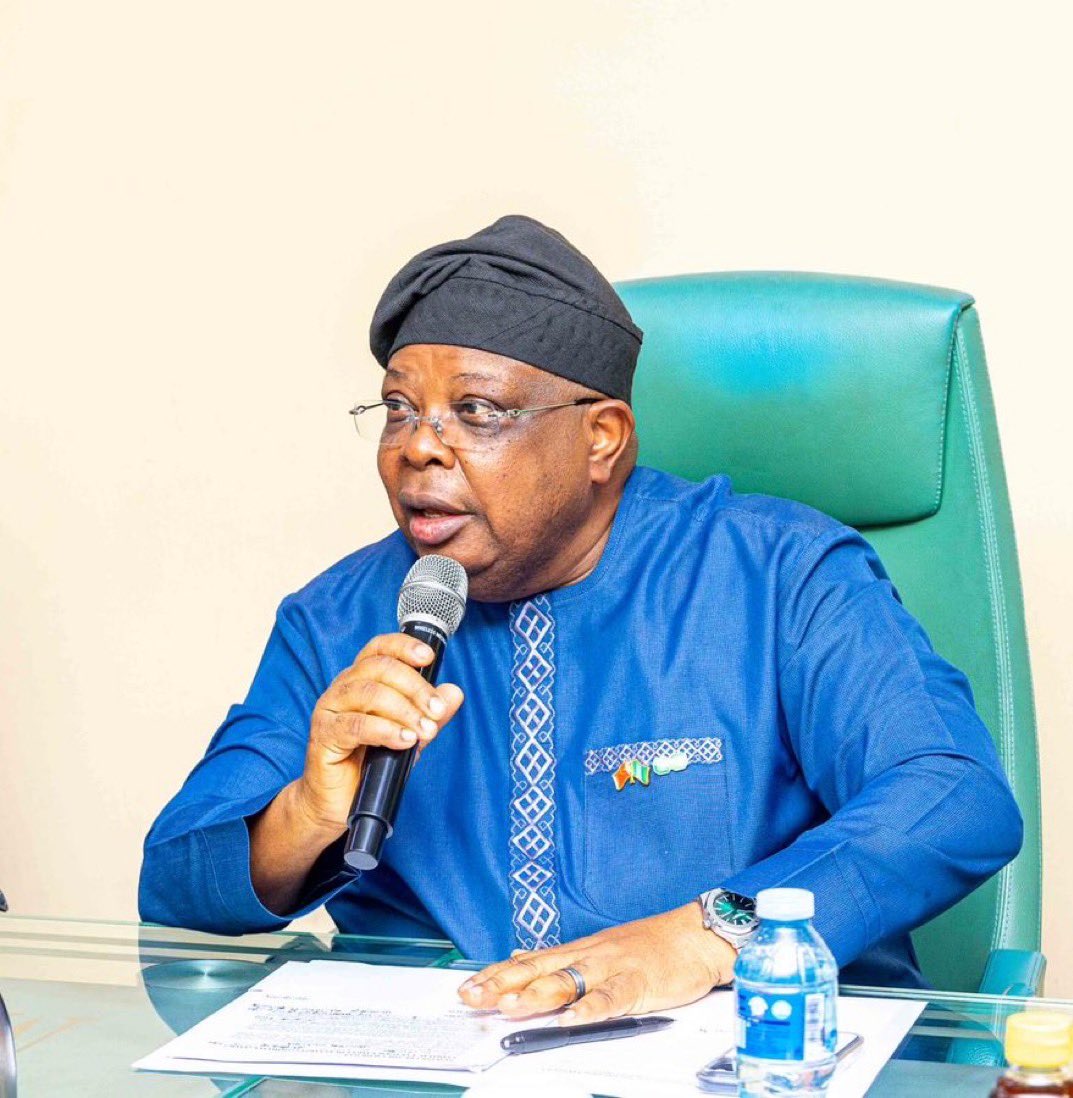
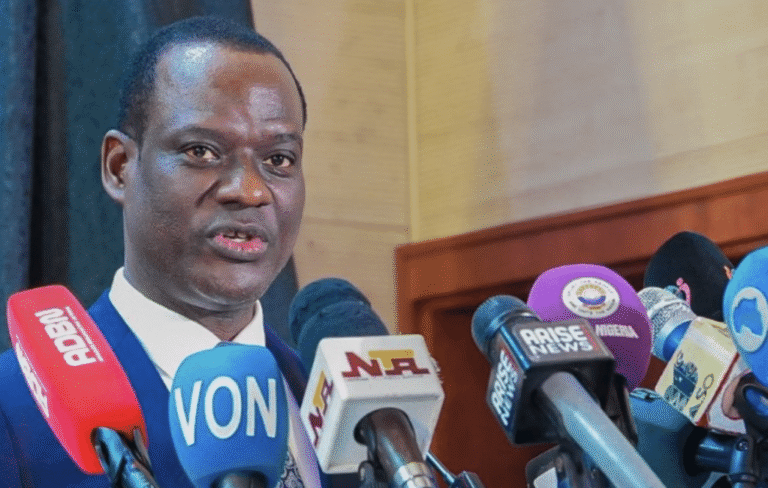
The National Tax Policy Implementation Committee (NTPIC), chaired by Mr. Joseph Tegbe, has launched an intensive stakeholder engagement campaign aimed at ensuring a humane, inclusive and well-coordinated implementation of Nigeria’s newly enacted Tax Acts, as the country advances major fiscal reforms.
The committee’s approach is focused on closing the gap between policy design and real-world execution by promoting clarity, managing public expectations, and aligning implementation with the realities faced by businesses, citizens and all tiers of government. Working closely with the Nigeria Revenue Service (NRS) and the Presidential Fiscal Policy Reform Committee (PFPRC), NTPIC is positioning itself as a bridge between reform ambitions and practical outcomes.
As part of its initial outreach, the committee’s leadership met with the Presidential Fiscal Policy Reform Committee, led by Mr. Taiwo Oyedele, to ensure strong alignment between reform objectives and implementation strategies. During the engagement, Oyedele flagged concerns about misinformation and public misinterpretation surrounding some provisions of the new tax laws.
He noted that misconceptions have distorted public discourse on certain aspects of the reforms and revealed that targeted, accessible communication initiatives are being developed to address these gaps. He emphasized that stakeholder feedback will remain central to refining the reform process and strengthening public understanding.
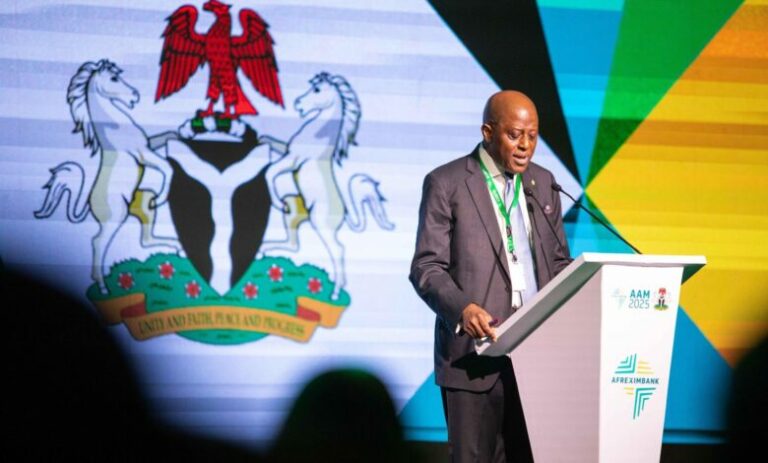
In a separate consultation with the Executive Chairman of the Nigeria Revenue Service, Dr. Zacch Adedeji, the NTPIC focused on harmonising priorities, strengthening institutional collaboration, and coordinating timelines for effective rollout. The committee also presented an overview of its implementation roadmap and ongoing activities, underscoring its commitment to a structured and transparent execution framework.
Dr. Adedeji praised the committee’s proactive engagement strategy, describing the new tax laws as a landmark shift in Nigeria’s fiscal architecture. He acknowledged that new policies often require time to gain widespread acceptance but stressed that a transparent, well-sequenced and education-driven implementation process would gradually build public trust.
He noted that while new policies may take time to gain full public acceptance, a transparent, well-sequenced, and education-driven implementation process will gradually build confidence and trust.
In its closing remarks, the NTPIC reiterated that successful tax reform goes beyond legal drafting and technical design. According to the committee, effective communication, sustained public education and inclusive stakeholder engagement are essential to achieving the intended impact of the reforms.
Mr. Tegbe emphasized that structured consultations and consistent messaging will remain at the heart of the committee’s strategy.
Tegbe stressed that structured stakeholder engagement and consistent communication are central to the success of the reforms.
He further assured that engagements will continue with key institutions and interest groups, including the National Economic Council, the Nigerian Governors’ Forum, local government leaders, as well as traditional, religious and community stakeholders. Tegbe reaffirmed that the new Tax Acts are designed to create a simpler, fairer and more predictable tax system that encourages voluntary compliance, boosts investor confidence and supports sustainable economic growth.
The NTPIC team driving the engagement efforts includes Barrister Ismael Ahmed, Chairman of the Stakeholders Engagement Subcommittee, and Mr. Ajibola Olomola, Chairman of the Technical Subcommittee, who are coordinating outreach and technical alignment for the reform rollout.