Follow Us on Google
By Oluseye Ojo
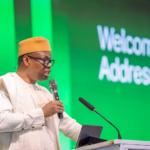
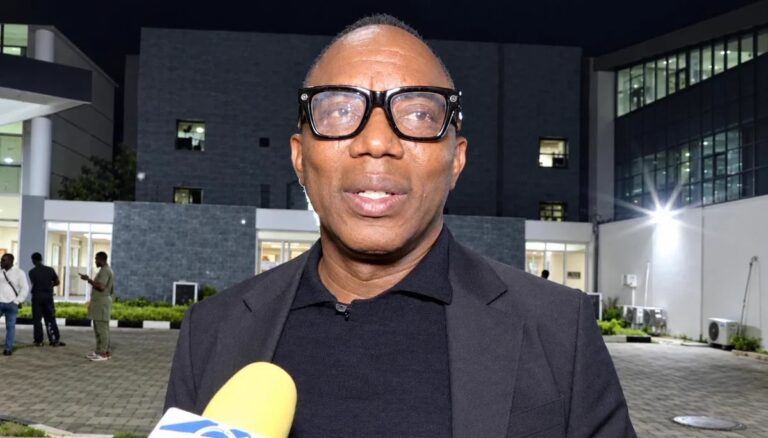
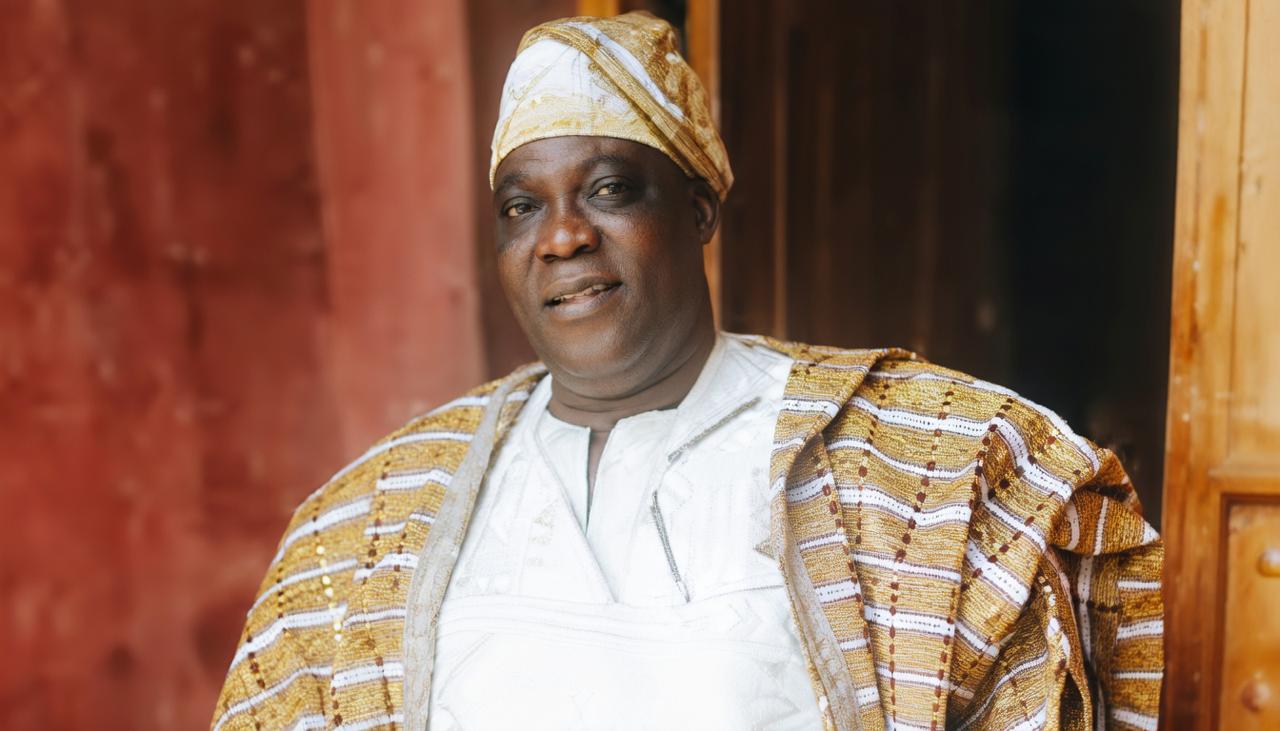
Prince Ademola Ayoade, the National Vice Chairman (South West) of the New Nigeria Peoples Party (NNPP), speaks on the recent defection of the party’s national leader, Senator Rabiu Musa Kwankwaso, to the African Democratic Congress (ADC).
In this interview, he addresses concerns over the stability of the party’s structures, particularly in the South West, and speaks on the implications of the high-profile exit.
Ayoade also clarifies the position of the NNPP in the region, responds to internal criticisms, and outlines the party’s strategic direction amid shifting political alliances ahead of the 2027 elections.
He insists that while the exit of a prominent figure like Kwankwaso may pose challenges, it also presents an opportunity for reinvention, inclusiveness, and grassroots consolidation.
The National Leader of NNPP and former governor of Kano State, Senator Musa Rabiu Kwankwaso, has left NNPP for ADC. Are the party’s structures in the South West following him to ADC or moving to another party?
We held a meeting of the South West Caucus of the NNPP and stakeholders recently, and the states in the zone were well represented at the meeting. The outcome of that meeting was very clear and unanimous.
We are not going to ADC. We are ready to stay in NNPP because we have worked very hard to bring this party to the position it is today. Politics is about structure, sacrifice, and commitment, and many of us have invested time, resources, and energy into building the NNPP across the South West.
So, it will be a disservice, not just to ourselves, but to the people who believe in us, to abandon the party at this critical stage. We are not going to ADC.
We still remain in NNPP. By the special grace of God, we believe that NNPP will stand, and it will continue to stand. That is the collective decision we reached, and we are fully committed to it.
Are you also considering forming an alliance or coalition with other political parties ahead of the elections?
Politics is dynamic, and alliances are part of democratic engagement. If people approach us for an alliance, we will look at it holistically. We will not rush into anything.
We will convene meetings, consult widely with stakeholders, and assess whether such alliances align with our ideology and long-term vision.
Whatever decision we take will reflect the collective interest of the South West caucus and, ultimately, the national leadership of the party.
However, we are not desperate. We are focused on strengthening our internal structures first before looking outward.
At the South West Caucus meeting, did you form a quorum, and how many states were represented?
Yes, we had a valid and representative meeting. The states present included Oyo, Lagos, Ondo, and Osun. Ekiti sent an apology, while Ogun was absent.
In terms of leadership presence, the zonal officers were well represented. Ondo came fully with their state secretary. The Zonal Public Secretary sent his apology, while the Zonal Secretary was at the meeting but had to leave early due to official duties.
We also had the Deputy National Woman Leader in attendance, along with other key stakeholders. Importantly, the meeting was graced by the National Publicity Secretary, Chief Ladi Johnson.
So, the meeting was credible, representative, and its resolutions reflect the true position of the South West NNPP.
Some members accused the zonal leadership of being unable to resist the imposition of ‘prefects’ from the Kano caucus. What is your response?
Let me be very frank. There is some truth in the concern that prefects were appointed to oversee party structures in the South. That arrangement created tension and dissatisfaction.
However, it is important to understand that leadership sometimes involves managing complex realities. While some people saw silence, we were actually engaging, consulting, and working behind the scenes.
Yes, the arrangement was anti-democratic in some respects, and we made that position known. But we were also careful not to escalate internal disagreements in a way that could destroy the party.
Now, the situation has changed. With the exit of the former leader, those structures naturally dissolve. What we are seeing now is a return to organic party leadership. These are people who truly belong to the party at the grassroots. So, we are not toothless. We were strategic.
What steps are you taking regarding the party’s membership register ahead of INEC deadlines?
The membership registration exercise is ongoing and has now gained renewed momentum. Before now, there was uncertainty among members, and that affected participation.
But with the current clarity, people now know where they stand. Those who believe in the NNPP are stepping forward to register, while those who wish to follow others are free to do so.
We are also introducing more structured and transparent registration processes across states to ensure credibility. Our goal is to build a verifiable and strong membership base that reflects our grassroots strength.
What vacuum will Kwankwaso’s exit create in the NNPP?
Other News
There is no denying that Senator Kwankwaso played a significant role in elevating the NNPP to national prominence. His exit will have an impact.
But political parties are not built around individuals alone. They are institutions. While his departure creates a vacuum in terms of influence and visibility, it also creates an opportunity for others to step up.
We are determined to build on the foundation that has been laid. Where he stopped, we will continue. And we believe that the party can grow even stronger through collective leadership.
Some say he was the major financier of the party. How will NNPP cope financially?
I disagree with that narrative. The NNPP is not a one-man project. Many members contribute financially in their own ways.
At meetings, programmes, and activities, members make contributions. That is how political parties function. It may not always be visible, but it is happening.
Going forward, we are exploring more sustainable funding models, including broader member participation, diaspora support, and transparent fundraising initiatives.
The idea is to build a party that is financially independent and institutionally strong.
How do you intend to strengthen the NNPP in the South West?
This is actually an opportunity for us. Before now, some people perceived NNPP as a northern party due to certain influences.
Now, that perception is changing. The space is opening up. People who were previously hesitant are now showing interest.
We are embarking on aggressive grassroots mobilisation, engaging youth groups, professionals, and community leaders. We want to build a truly inclusive party that reflects national diversity.
What lessons has the party learned from this crisis?
One major lesson is the importance of internal democracy. Parties must be built on fairness, inclusiveness, and respect for structures.
Another lesson is that over-centralisation of power can create tension. Going forward, we are committed to strengthening institutions rather than personalities.
We have also learned that communication is key. We will improve how we engage with members to avoid misunderstandings.
What is your strategy for 2027?
Our strategy is clear. It is to rebuild, rebrand, and reposition. We are focusing on grassroots mobilisation, strengthening party structures, and presenting credible candidates. We want to offer Nigerians a viable alternative.
The 2027 elections will not just be about popularity; they will be about credibility, vision, and trust. That is where NNPP intends to stand out.
How long has NNPP been in existence?
The NNPP has been in existence for over two decades. It did not start recently.
However, it gained national visibility during the 2023 elections, largely due to the involvement of Senator Kwankwaso.
That said, many individuals have worked tirelessly to sustain the party’s visibility, including our National Publicity Secretary, Chief Ladi Johnson, who has been very active in the media.
Will NNPP present a presidential candidate in the next election?
That decision will be taken collectively at the national level. All geopolitical zones will be involved.
We will assess our strength, consult widely, and decide on the best course of action. If presenting a candidate aligns with our strategy, we will do so.
Finally, what message do you have for NNPP members and Nigerians?
My message is simple. They should remain hopeful and committed. Political developments may shake structures, but they also create opportunities. NNPP is not collapsing. It is evolving.
We call on Nigerians who believe in credible leadership and true democracy to join us. Together, we can build a party that truly represents the people.