Follow Us on Google
The recent classification of Nigeria among the seven worst-hit countries ravaged by cholera gives cause for concern. According to the official World Health Organisation (WHO) Global Report published in the Weekly Epidemiological Record on September 29, 2026, Nigeria, Angola, Bangladesh, the Democratic Republic of the Congo, South Sudan, Sudan, and Yemen, account for approximately 90 per cent of all reported cholera cases and deaths in the world.
The report indicates that a total of 451,499 cholera cases and 7,870 deaths were recorded in 47 countries, a 30 per cent rise in global cholera fatalities in 2025 and the highest annual death toll recorded since 1999. Many infections and deaths reportedly go unrecorded, as the reported figures rely mainly on official surveillance data. With a 34 per cent increase in cases and a 58 per cent spike in fatalities compared with 2024, the WHO African Region is said to have experienced the most significant surge.
Cholera is an infection caused by the bacteria, Vibrio cholerae. Doctors Without Borders estimates that the disease infects millions of people and causes up to 143,000 deaths globally each year. The Nigeria Centre for Disease Control and Prevention (NCDC) reported that Nigeria recorded over 65,000 suspected cholera cases across 35 states and 195 local government areas in 2026. Borno State accounts for the majority of the cases while Enugu State recorded zero cases.
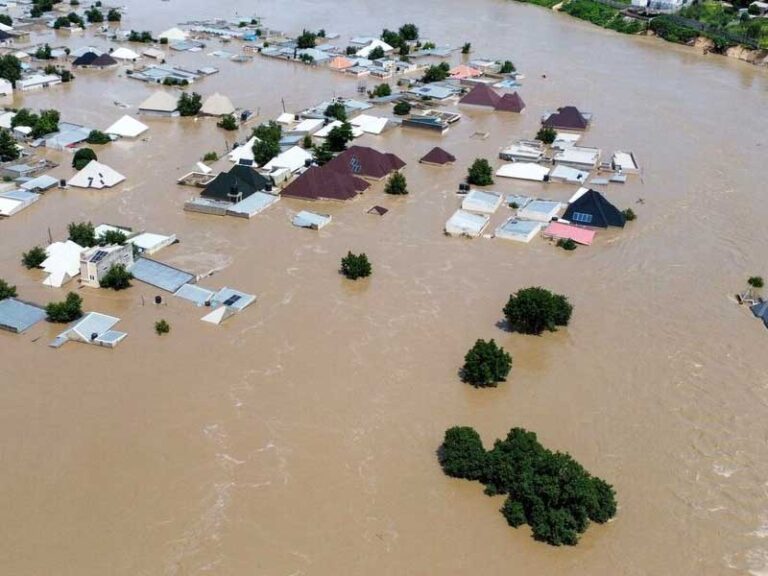
It spreads, especially in areas where there is poor sanitation, through contaminated water and food such as raw or undercooked seafood, unwashed fruits and vegetables. It worsens during rainy season due to flooding that can contaminate water sources.
It is important to note that cholera doesn’t spread through casual contact or sneezing. But it can spread from person to person indirectly in areas where people drink or use contaminated water to cook or wash hands.
Mostly at risk are people who use pit latrine or engage in open defecation. In this case, flood water can wash up faeces that can contaminate water sources. Structural gaps in safe water, sanitation, and hygiene (WASH) infrastructure help to spread the disease. People who are at higher risk for cholera are females, people with type O blood, and those who have low stomach acid or hypochlorhydria, among others.
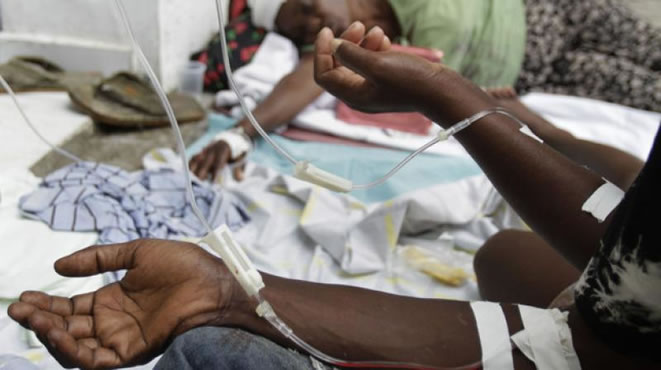
Symptoms appear within two to three days of infection. They include large and frequent passing of watery stool that looks pale and milky, frequent vomiting that leads to fluid loss and nausea, extreme thirst, dry mouth, sunken eyes, dry skin, little urination, and painful muscle cramps or weakness. If fluids are not restored quickly, it can lead to rapid heart rate, low blood pressure, shock, and organ failure.
The disease can be prevented and treated. Part of the treatment involves oral rehydration solution (ORS) mixed with clean water to replace lost fluids and electrolytes. For severely dehydrated patients, there is need for immediate intravenous fluid replacement. More importantly, they should contact health care provider immediately.
In August 2025, WHO reported that over 150 frontline health workers from 36 Nigerian states and the Federal Capital Territory (FCT) had been trained to improve early detection, reporting, and treatment of cholera. State governments reportedly cascaded these trainings to high-risk areas to ensure impact at the community level. In Bauchi State, for instance, 40 community-level health workers across 12 high-burden LGAs, with support from WaterAid, reportedly received training to enhance local response capacity.
According to WHO, its support across states includes pre-positioning cholera kits, strengthening surveillance systems, deploying rapid response teams, providing technical support in Zamfara, Adamawa, and Niger States, donating seven cholera test kits and medical supplies for 200 patients, and supplying 10,000 sachets of oral rehydration salts for community treatment.
The Executive Director of the WHO Health Emergencies Programme, Dr. Chikwe Ihekweazu, said no one should die from cholera today when there were tools to prevent and treat the disease. According to him, more than one in five recorded deaths occurred outside health facilities. The fatality rate among patients treated in health facilities remains below one per cent.
Ihekweazu said stronger surveillance, community engagement, vaccination and access to quality health care could help prevent avoidable cholera deaths. Essentially, people are advised to drink and use safe water, wash hands with soap regularly, and ensure good food and toilet hygiene.
In other words, universal access to drinking water, basic sanitation and economic development can go a long way to prevent cholera. Vaccines must be administered in the affected communities; and enlightenment campaigns to alert people to the causes, symptoms, prevention, and treatment of cholera are inevitable.
Gladly, reports indicate that the global annual production of oral cholera vaccines rose from about 30 million doses in 2022 to approximately 80 million doses in 2025. The WHO roadmap to end cholera by 2030 includes investing in WASH, strengthening primary health care and securing political and financial commitment. It is hoped that the organisation will realise these goals as projected.