Follow Us on Google

Targets 50 per cent reduction in cases, deaths by 2030
__________________________________________________________________
From Fred Ezeh, Abuja
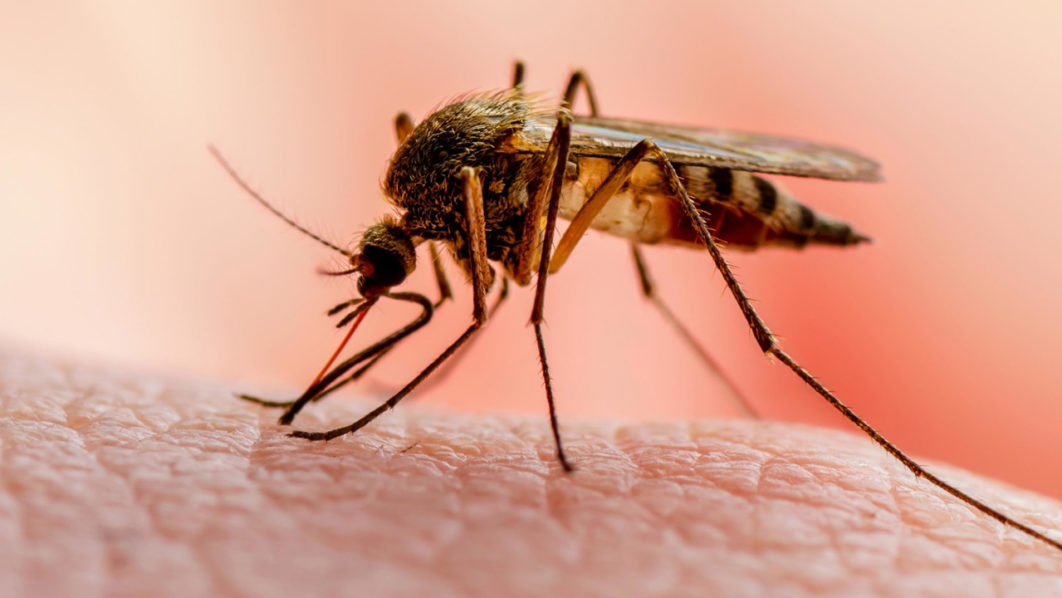
Nigeria has recorded a significant decline in malaria parasite prevalence among children under five, from 42 per cent in 2010 to 15 per cent in 2025, but gaps in prevention, diagnosis and treatment continue to threaten efforts to eliminate the disease.
This was contained in the 2025 Nigeria Malaria Indicator Survey (NMIS) released in Abuja on Thursday by the Federal Ministry of Health and Social Welfare through the National Malaria Elimination Programme (NMEP).
The survey showed that malaria prevalence among children aged six to 59 months declined from 42 per cent in 2010 to 23 per cent in 2018, 22 per cent in 2021 and 15 per cent in 2025.
Despite the progress, young children and pregnant women remain particularly vulnerable, highlighting the need for sustained investment and improved access to preventive and treatment services.
The findings further provided evidence for the National Malaria Strategic Plan (NMSP) 2026–2030, which targets a 50 per cent reduction in malaria parasite prevalence and deaths attributed to the disease from their 2025 levels by 2030.
The strategy prioritises preventive interventions, prompt diagnosis, appropriate treatment, stronger surveillance, sustainable financing and accountability.
The survey also revealed significant differences in malaria prevalence across states, with the figure ranging from two per cent in Lagos to 31 per cent in Ebonyi among children aged six to 59 months.
The variation underscored the need to tailor interventions to local disease burdens rather than adopt a uniform national approach.
The new strategic plan places subnational tailoring at the centre of malaria control, ensuring that resources and interventions are directed towards areas with the greatest need.
Other News
The survey further identified gaps in access to Insecticide-Treated Nets (ITNs), a major malaria prevention tool.
It showed that 54 per cent of households owned at least one ITN, while only 21 per cent had sufficient nets for one for every two household members who slept there the previous night.
The report noted that the strategic plan aims to increase access to and utilisation of preventive interventions to at least 80 per cent by 2030.
It highlighted that malaria prevention during pregnancy also requires improvement. The survey found that 62 per cent of women aged 15 to 49 who had a live birth in the two years preceding the survey received at least one dose of sulphadoxine-pyrimethamine (SP), commonly known as Fansidar, during their most recent pregnancy. Only 33 per cent received three or more doses.
Diagnosis remains another major concern. Among children under five who had fever in the two weeks preceding the survey, 59 per cent had advice or treatment sought, but only 18 per cent underwent malaria testing.
The findings reinforce the need for prompt assessment and testing, as not every fever is caused by malaria. Confirmed cases should receive effective treatment in line with national guidelines.
The NMSP targets at least 90 per cent effective coverage of diagnosis and appropriate treatment among populations at risk by 2030.
It also seeks to improve malaria surveillance performance from 47 per cent to 70 per cent and ensure that at least 60 per cent of malaria programme resources come from domestic sources.
Achieving the targets will require stronger collaboration among federal and state governments, development partners, health workers, civil society, the private sector and communities.
While the decline in prevalence represents significant progress, sustained financing, effective implementation and accountability will be critical to reducing malaria deaths and moving Nigeria closer to a malaria-free future by 2030.