Follow Us on Google
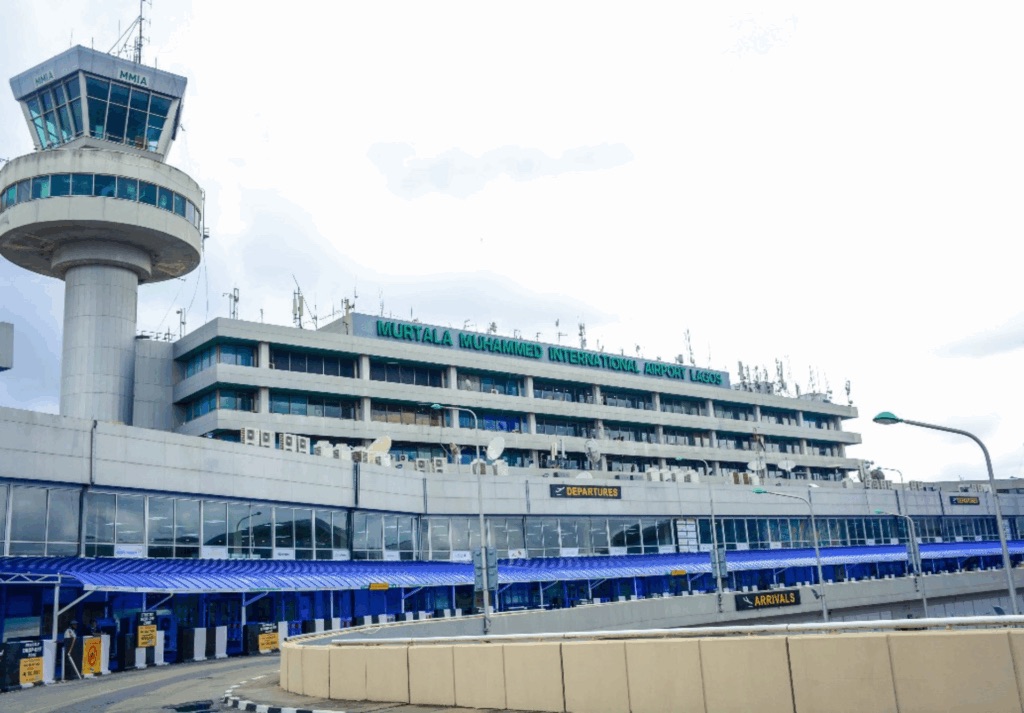
International passenger and cargo traffic at the Murtala Muhammed International Airport (MMIA), Lagos, surged in 2024, cementing the airport’s role as Nigeria’s busiest aviation hub, even as domestic operations slowed significantly.
According to data from the Federal Airports Authority of Nigeria (FAAN), compiled under the International Civil Aviation Organization (ICAO) State Profile framework and obtained by Nairametrics, international passenger traffic rose by 6.5% to 4.3 million in 2024, up from 4.04 million the previous year. International cargo throughput also grew by 11.31%, reaching 150 million kilograms compared to 135 million kilograms in 2023.
The FAAN profile revealed that international aircraft movements climbed 7.69% to 40,250 flights in 2024, from 37,375 in the previous year. However, the upbeat international figures contrasted sharply with a decline in domestic aviation. Passenger traffic on local routes fell 6.46% to 12.5 million in 2024, down from 13.37 million in 2023, while domestic aircraft movements dropped by 6.81% to 125,000 flights, compared to 134,000 in the preceding year.
Industry insiders explained that the slump in local traffic was fueled by economic headwinds. “The naira devaluation has made it extremely difficult for airlines to source spare parts and Jet A1 fuel,” one airport official disclosed. The suspension of Dana Air operations in April 2024, after one of its McDonnell Douglas MD-82 aircraft skidded off the runway in Lagos, also contributed to the downturn.
Outbound cargo from MMIA was dominated by foodstuff shipments to Nigerians abroad, while inbound freight was led by point-of-sale (POS) machines from China, officials further revealed.
Despite the domestic drag, MMIA’s revenue base remained firmly anchored on aeronautical sources, which accounted for 92% of total earnings, while non-aeronautical sources contributed just 8%. FAAN emphasized that MMIA remains central to its strategy of modernizing Nigeria’s airports, strengthening safety and security, and enhancing passenger experience through digital transformation and infrastructure renewal.
Globally, MMIA’s 6.5% international passenger growth in 2024 was below the continental average. The International Air Transport Association (IATA) reported that African airlines collectively recorded a 13.2% rise in international passenger traffic during the year.
Still, analysts say the airport’s performance underscores its resilience. “MMIA continues to mirror global trends, even if growth is slower than the continental average.
Its strength lies in international passenger and cargo volumes, which are now offsetting domestic declines,” an aviation source explained.