Follow Us on Google
From Idu Jude, Abuja
Nigeria’s removal from the Financial Action Task Force (FATF) grey list has been hailed by the Infrastructure Concession Regulatory Commission (ICRC) as a major milestone that will boost investor confidence, strengthen the country’s financial credibility and accelerate access to over $2.3 trillion in infrastructure financing opportunities.
The FATF grey list identifies countries with deficiencies in anti–money laundering and financial transparency systems. Nigeria’s exit, therefore, signals improved financial governance and reduced investment risk, a development that reassures global investors of the country’s renewed commitment to international best practices.
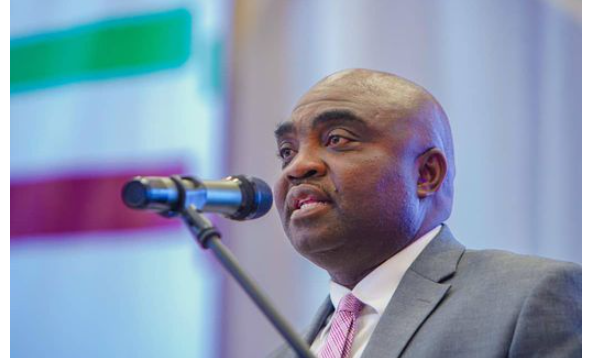
Reacting to the development, the Director-General of the ICRC, Dr. Jobson Oseodion Ewalefoh, said the achievement reflects Nigeria’s growing economic stability and the far-reaching reforms under the administration of President Bola Ahmed Tinubu.
He commended the collaborative efforts of key institutions, including the Nigerian Financial Intelligence Unit (NFIU), Central Bank of Nigeria (CBN), Securities and Exchange Commission (SEC), and the Ministries of Finance and Justice — for strengthening compliance frameworks that made the delisting possible.
“Nigeria now carries a cleaner financial risk profile. This means lower risk premiums, easier cross-border transactions, and stronger investor confidence,” Dr. Ewalefoh said. “For us at the ICRC, this directly supports our mission to attract innovative financing that will help bridge Nigeria’s infrastructure gap.”
Other News
According to him, Nigeria’s infrastructure deficit, currently estimated at over $2.3 trillion, requires sustained annual investments of about $100 billion until 2043. With renewed investor confidence following the FATF delisting, he noted, the inflow of new financing will fast-track efforts to close this gap through Public-Private Partnerships (PPPs) and other private-sector–driven models.
The ICRC believes the milestone will serve as a magnet for institutional investors, impact funds, and global financiers seeking credible, transparent, and profitable opportunities in Nigeria’s infrastructure market.
Since President Tinubu assumed office, the Commission has been repositioned for greater efficiency and impact. Under his administration, the ICRC has streamlined PPP processes, secured Presidential approval for new project thresholds of ₦20 billion and ₦10 billion for MDAs to speed up smaller projects, and issued a comprehensive regulatory framework providing clear, step-by-step guidelines from conception to hand-back.
“Nigeria is open for business like never before,” Dr. Ewalefoh affirmed. “With FATF’s delisting and our strengthened PPP framework, the stage is set for a new wave of infrastructure investment that will redefine Nigeria’s economic landscape.”
He urged both local and international investors to seize this historic opportunity to partner with the Nigerian government in developing transformative infrastructure across transportation, power, water, healthcare, and technology sectors.