Follow Us on Google
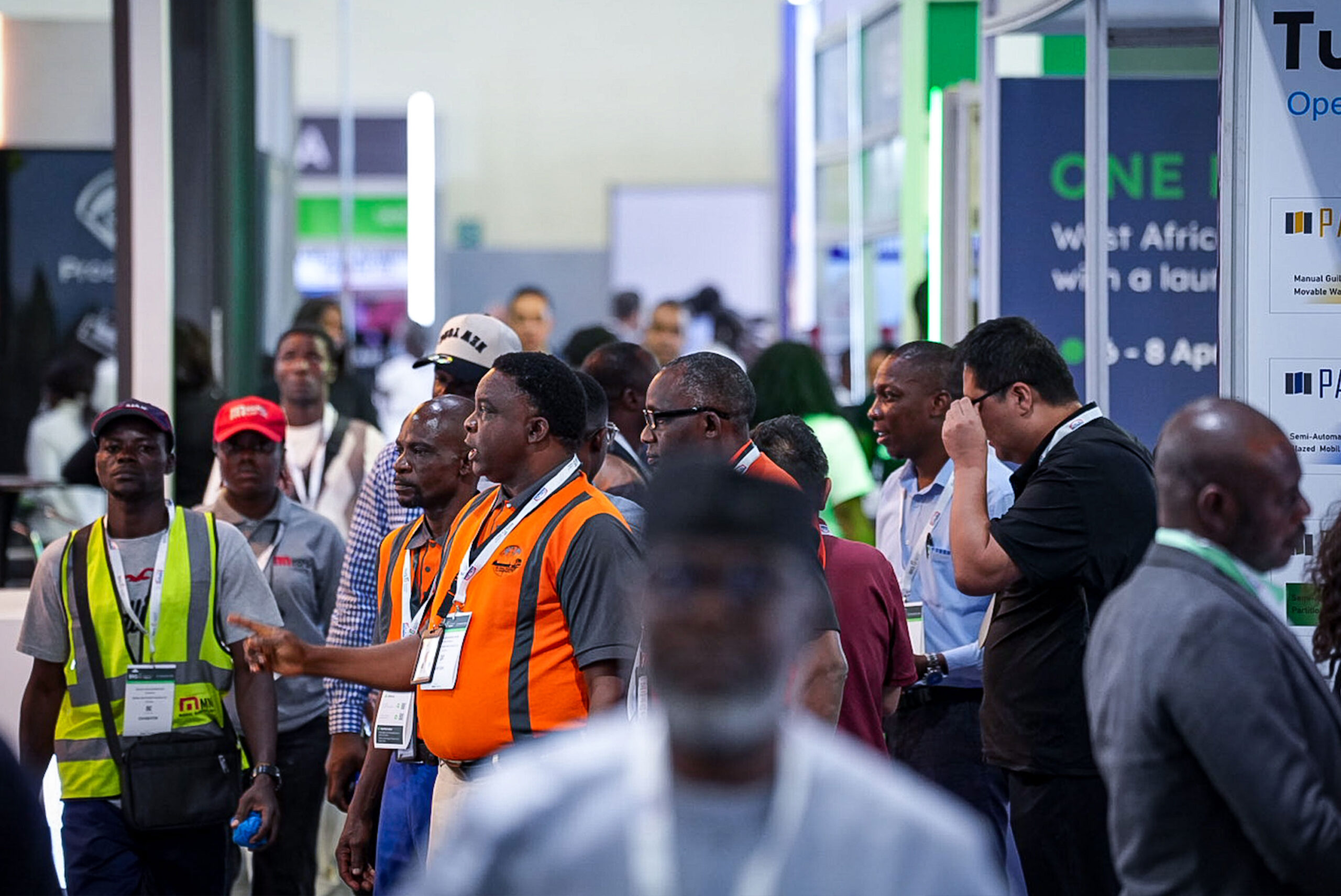
Nigeria’s construction industry is facing a skills gap that requires stronger investment in education, vocational training, and continuous professional development to build the capacity needed for sustainable construction, experts have said.
The experts spoke at the Big 5 Construct Nigeria exhibition in Lagos, where they also identified rising material costs, weak local manufacturing capacity and inadequate standards as challenges affecting the sector.
Speaking during a session on “Closing the Green Skills Gap: Building Capacity for Sustainable Construction,” the Project Consultant to UN-Habitat, Dr Ade Adewolu, said Nigeria needed to strengthen its education system before it could effectively address the skills requirements associated with sustainable and green construction.
Adewolu said the country could not build a sustainable future without first ensuring that its population had access to quality education. “Before we start talking about green skills, we need to first address how we feed our society and how we educate our people. Education and ignorance do not go together,” he said.
He said stronger investment in education would provide the foundation for developing the skills required to improve productivity and address future challenges in the construction industry and wider economy. Adewolu also called for greater use of vocational and technical education to equip young people with practical skills, arguing that Nigeria had the population and talent required to develop its productive capacity if the necessary support systems were provided.
He said increased investment in education should include access to information and communications technology skills, while children from disadvantaged backgrounds should also be supported to remain in school.
The need to close the skills gap was also highlighted by Jacqueline Aki, President of the Interior Designers Association of Nigeria, who said continuous education remained one of the major gaps in Nigeria’s construction industry.
According to her, industry practitioners needed regular access to training and platforms like the Big 5 Construct where professionals, manufacturers and other stakeholders could exchange knowledge and improve their understanding of construction materials and practices.
Other News
Aki said: “Nigeria could expand its manufacturing capacity in the coming years if more attention was given to developing local skills and supporting people with the necessary talent.” She added that the growth of local manufacturing could reduce reliance on imported products while creating opportunities for the country to produce materials for both domestic use and export.
The experts also linked the skills challenge to the high cost of construction materials, which they said was contributing to pressure on project costs and could encourage compromises in material quality. Aki said professionals needed to understand the properties and appropriate applications of materials before making substitutions to reduce project costs.
“You can value-engineer a project, but you need to be clear on the requirements and standards that cannot be compromised,” she said. She called for greater attention to standards and verification in the construction materials market, particularly as the country continues to rely on imported products. According to her, clearer standards would help practitioners and consumers distinguish between products and ensure that materials entering the market meet appropriate requirements.
The Senior Vice President at dmg events, organisers of Big 5 Construct Nigeria, Josine Heijmans, said: “The industry had been examining the use of technologies such as Building Information Modelling (BIM) and artificial intelligence to improve project delivery.”
She said the sector continued to face challenges around project costs and timely delivery, making improved project management, technology, and access to technical expertise important to addressing those challenges.
Heijmans said the exhibition provided a platform for local and international companies, professionals, and other stakeholders to exchange knowledge, explore products and develop partnerships aimed at addressing challenges in the construction value chain. She added: “The combination of local and international expertise could help Nigerian companies gain access to new products and technologies while creating opportunities for partnerships with foreign businesses.”
Heijmans said the objective should be to ensure that knowledge and solutions discussed at industry platforms translate into practical improvements in the day-to-day delivery of construction projects.