Follow Us on Google
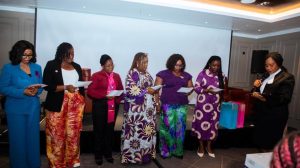
The Women in Out-of-Home Advertising Network (WOHAN) has empahsised that Nigerian women are leading businesses, shaping policy frameworks, and driving innovation across sectors.
In a defining moment for gender discourse WOHAN gathered in Ikeja, Lagos, to mark International Women’s Day 2026 with a clear message : women’s rising influence is undeniable but its sustainability depends on health.
The sessions spotlighted two inseparable pillars, professional empowerment and holistic wellness, as critical to national development.
A Movement, Not a Moment : “The rise of the woman professional is not a trend. It is a correction.”
Across industries, women are moving beyond representation to real influence—leading, innovating, and shaping decisions. Driven by visibility, voice, collaboration, and leadership, they are redefining power with a more inclusive and adaptive style.
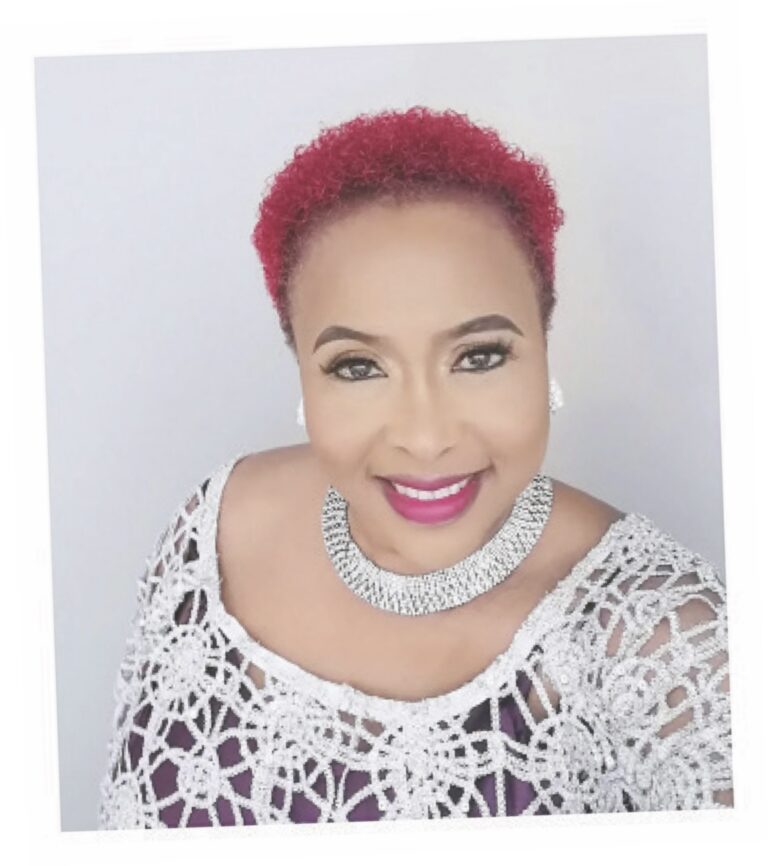
Breaking the Myths : A major highlight of the event was the deliberate dismantling of enduring myths about women, both globally and within Nigeria a session held by Mrs Bunmi Oke, who was the Key note speaker.
From outdated assumptions about women’s limitations in leadership, science, and politics, to local stereotypes that confine Nigerian women to domestic roles, Mrs Oke presented compelling evidence to the contrary.
The reality is clear: Nigerian women are highly educated, entrepreneurial, politically engaged, and technologically proficient. They are leading businesses, shaping policy frameworks, and driving innovation across sectors.
Culture, once seen as a limiting factor, is now being reshaped by the very women it once constrained.
The WOHAN chairperson, Mrs Adeola Odesanya reiterated that women bring care,accountability and wholeness to the table.
Mrs Tolulope Medebem, President of EXMAN, applauds women and says “competence is speaking louder today than bias. Women are not just participating; they are delivering measurable impact. moving from execution to influence, shaping strategy and occupying decision-making roles.
She however, added that women must also be willing to step forward. Despite any odds, as it seems that women decline opportunities because they think that they are not ready yet, stressing that if they keep waiting to be ready, they may keep waiting forever.
Mrs Medebem commended the Out-of-Home sector, particularly for its strong representation of women-led businesses — describing it as something that is both encouraging and instructive for the wider marketing communications ecosystem.
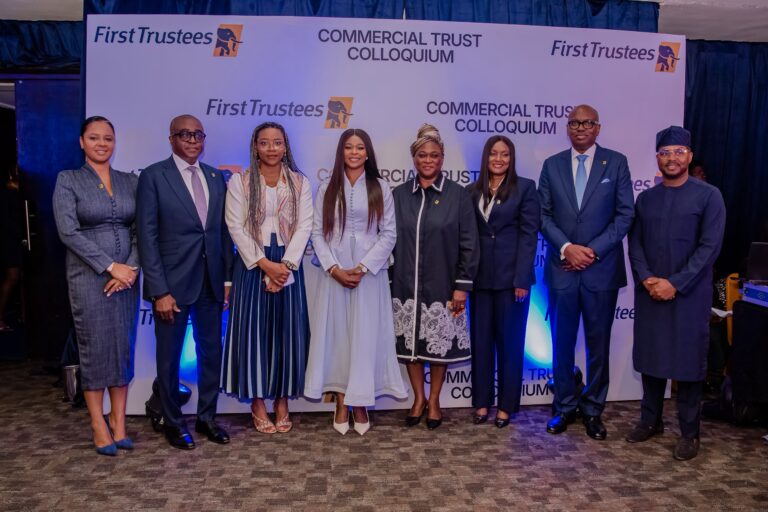
The event had in attendance, the President of Out of Home Advertising Association of Nigeria, chief Sola Akinsiku, the IPP and founder of WOHAN chief Emmanuel Ajufo, , panelist were Mrs Seyi Layade, Mrs Brenda Nwagwu, Abimbola Ijaniyi and Temitope Runsewe.
The Health Crisis We Ignore: Amid these gains, a quieter but urgent issue emerged—women’s health.
Dr. Oluyemi Taiwo, a medical director and chief executive officer of orile agege,general hospital, Lagos state, stressed that often overlooked, health was reframed as a critical infrastructure for sustained success.Dr. Oluyemi emphasized that health directly impacts energy, productivity, confidence, and longevity.
Yet, globally, women spend a significant portion of their lives in poor health—an alarming trend with far-reaching economic and societal consequences.
Silent Threats, Real Consequences: The data presented painted a sobering picture.
Cardiovascular disease remains the leading cause of death among women worldwide, with hypertension affecting a large proportion of Nigerian women.
Breast and cervical cancers continue to claim lives, largely due to late detection and insufficient screening. Reproductive health challenges persist, while mental health concerns—including stress, anxiety, and burnout—are rising, significantly impacting productivity and quality of life.
This is no longer just a health issue—it is a leadership and economic imperative.
Wellness Is Strategy: Speakers called for a shift from reactive healthcare to intentional, preventive wellness.
The message was clear and actionable:
Regular medical check-ups and screenings
Monitoring of key health indicators
Prioritization of mental health and emotional wellbeing
Sustainable approaches to nutrition, rest, and physical activity
“Small actions,” experts emphasized, “can create meaningful and lasting change.” Health must become a non-negotiable priority, integrated into everyday living.
Barriers Women Still Face: Despite growing awareness, women continue to face systemic challenges—time constraints, financial pressures, caregiving responsibilities, and cultural expectations.
For many, health remains secondary to competing demands, often leading to delayed care and avoidable risks.
The Bigger Picture: A powerful insight emerged from the sessions:
Empowerment without health is unsustainable.
Health without empowerment is incomplete.
The future belongs to women who are not only rising—but are also healthy, supported, and equipped to lead effectively.
The story of today’s woman is no longer one of limitation—it is one of possibility, progress, and power.
However, sustaining this momentum requires a fundamental shift:
to see women’s health not as a personal concern, but as a national priority.
Because when women rise—and remain well—
nations don’t just grow. They thrive.
Inauguration and swearing in of executives of WOHAN was done.a