Follow Us on Google
Esther Bassey
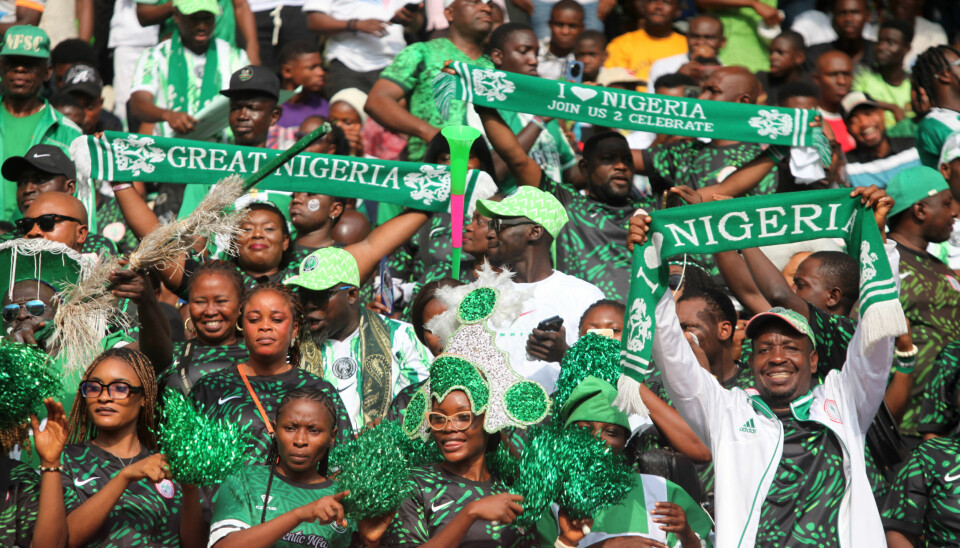
As Nigeria marks its 65th Independence anniversary, October 1 is not just a day of celebration but also a moment of reflection on the nation’s journey.
Since gaining sovereignty in 1960, Africa’s most populous country has witnessed defining moments that shaped its political, social and economic landscape.
Here are seven major milestones since independence:
1. Independence from Britain (1960)
Nigeria became a sovereign nation on October 1, 1960, ending decades of British colonial rule. The Union Jack was lowered, and the green-white-green flag was hoisted, symbolising a new dawn of freedom.
2. Becoming a Republic (1963)
Three years after independence, Nigeria became a republic in 1963. Dr Nnamdi Azikiwe was sworn in as the country’s first ceremonial President, replacing the British monarch as head of state.
3. The Civil War (1967–1970)
The Nigerian Civil War, also known as the Biafran War, broke out in 1967 following secession attempts in the southeast. The three-year conflict claimed over a million lives and left lasting scars on national unity.
Other News
4. Transition to Civilian Rule (1979)
Nigeria made history in 1979 with the handover from military rule to civilian government under President Shehu Shagari. It marked the beginning of the Second Republic, although it was short-lived.
5. Return to Democracy (1999)
After years of military regimes, Nigeria transitioned back to democracy in 1999 with the election of Olusegun Obasanjo as President. Since then, the country has sustained its longest stretch of democratic governance.
6. Historic Peaceful Power Transition (2015)
In 2015, Nigeria witnessed its first peaceful transfer of power between political parties when Muhammadu Buhari of the All Progressives Congress (APC) defeated incumbent President Goodluck Jonathan.
The concession was hailed globally as a sign of democratic maturity.
7. 2023 Election and Renewed Hope Agenda
The 2023 general elections produced President Bola Ahmed Tinubu, continuing the Fourth Republic.
His administration introduced the “Renewed Hope” agenda, with economic reforms and policies aimed at tackling Nigeria’s longstanding challenges.