Follow Us on Google
By Doris Obinna
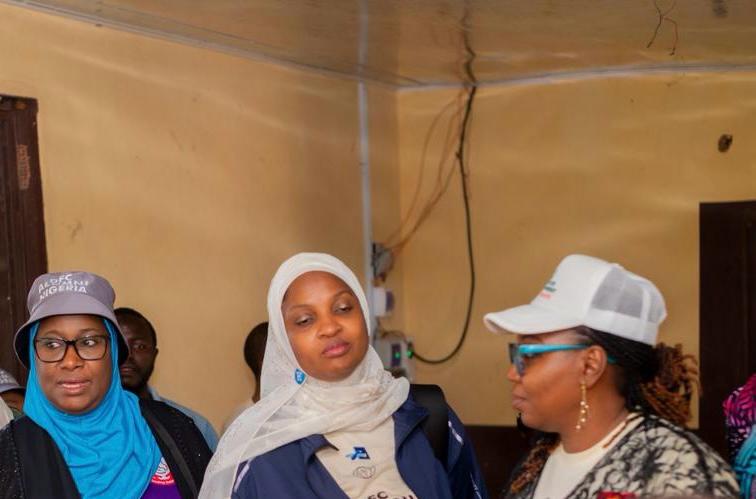
A high-level workshop in Nigeria has brought together experts, government agencies and alumni of the Danida Fellowship Centre (DFC) to tackle some of the most urgent challenges at the intersection of human, animal and environmental health.
The event held on Thursday in Abuja, themed “Strengthening AMR Surveillance, Biosafety and Climate-Smart Agriculture Through a One Health Approach in Nigeria,” underscored the rising need for evidence-driven solutions capable of addressing antimicrobial resistance (AMR), food safety risks and the growing impact of climate change on public health and agricultural productivity.
Supported by the DFC and the Ministry of Foreign Affairs of Denmark, the programme reflected the Centre’s guiding principle; Inspire, Connect, Act by convening leading veterinarians, academics, policymakers and livestock-sector professionals from across the country. Their shared mission was to strengthen national capacity to manage emerging health threats and support the transition to safer and more sustainable livestock systems.
Experts at the workshop highlighted the urgent need to promote ethical and biosecure animal husbandry practices, improve feed quality to prevent contamination, and enhance identification, registration and traceability of animals across the livestock value chain.
These measures, they said, are critical to safeguarding public health, improving nutritional outcomes and strengthening Nigeria’s preparedness for infectious and transboundary animal diseases.
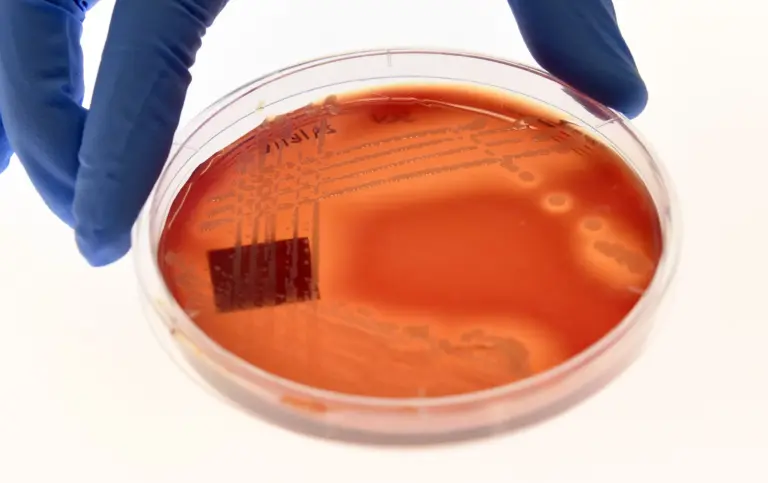
Participants also examined strategies for responsible use of veterinary medicines and antibiotics. With AMR emerging as one of the world’s most significant health challenges, speakers reiterated the importance of stewardship programmes that curb misuse of antibiotics in livestock and reduce the risk of drug-resistant infections. This message echoed the 2025 global AMR theme: “Act Now: Protect Our Present, Secure Our Future,” a reminder of the need for immediate coordinated action.
Other News
Climate change featured prominently in discussions, with experts warning of its widening influence on disease patterns, food safety and livestock productivity. They noted that climate-driven shifts, such as expanding disease vectors, extreme weather events and disruptions to immunization programmes are contributing to the resurgence of vaccine-preventable diseases, including yellow fever. Lower-income countries, especially those grappling with humanitarian pressures, remain most exposed to these evolving risks.
High-level representatives from the National Agency for Food and Drug Administration and Control (NAFDAC), the Federal Ministry of Livestock Development, the Federal Ministry of Agriculture and Food Security (FMAFS), academia and key regulatory institutions were present, underscoring the national significance of the issues addressed.
The workshop also reviewed progress made under the Nigeria–Denmark Strategic Sector Cooperation (SSC), established in 2020 to improve livestock production, bolster animal health systems and strengthen climate-resilient agriculture. Through more than 44 collaborative projects, the partnership has helped modernize livestock practices, improve food safety regulations and support communities in adopting One Health-aligned solutions.
Organizers described the gathering as a platform for learning, innovation and action, designed to ensure that knowledge generated translates into concrete improvements in policy and practice. Participants expressed optimism that the insights shared would help advance climate-smart agriculture, enhance biosafety and reinforce the country’s One Health agenda.
An African proverb quoted during the closing session captured the spirit of the event: “If you want to go fast, go alone. If you want to go far, go together.”
By coming together, organisers said, Nigeria and its international partners reaffirmed their commitment to go far in strengthening food safety, protecting public health and building a more sustainable future for generations to come.