Follow Us on Google

•Urge 28 states to partner NIWA on transport, fisheries, tourism
Maritime experts have charged the federal and state governments to look inwards for financial buoyancy as Nigeria currently sits on an annual N12 trillion waterways fortune that can be unlocked if the 28 states with access to rivers, lagoons and creeks invest in water transportation, tourism, fish farming and waterfront development.
They urged state governors to work with the National Inland Waterways Authority (NIWA) and private investors to tap the enormous economic opportunities offered by the country’s waterways.
According to NIWA, Nigeria has about 10,000 kilometres of waterways with navigation potential, but only between 3,000 and 3,800 kilometres are navigable, and even these are affected by seasonal conditions.
The waterways connect 28 of the country’s 36 states and provide links to several neighbouring countries. However, more than 6,000 kilometres remain largely underused due to inadequate dredging, poor channel maintenance and lack of supporting infrastructure.
Stakeholders said proper investment in the sector could generate huge revenue for state governments, create thousands of jobs and reduce the country’s heavy dependence on road transportation.
A maritime tourism expert, Frank Meke, described the country’s waterways as a largely untapped economic asset, urging governors to put aside jurisdictional disagreements with NIWA and work together to develop commercially viable routes.
He said Nigeria’s extensive water network offered opportunities to diversify the economy, create jobs, improve food security and boost regional trade.
Meke, who has travelled extensively across maritime communities, including Badagry, Calabar, Lokoja, Makurdi, Onitsha and Yenagoa, said the country’s failure to develop its waterways was a major economic contradiction.
“We are sitting on water, yet dying of thirst,” he said, calling for a coordinated investment plan to turn the waterways into productive economic corridors.
He listed the River Niger, River Benue, Cross River, Lagos Lagoon, Ogun-Ondo waterways, Benin River, Escravos Channel, Nun River, Imo River, Orashi River, Ethiope River, Oguta Lake and Lake Chad among waterways with significant commercial and tourism potential.
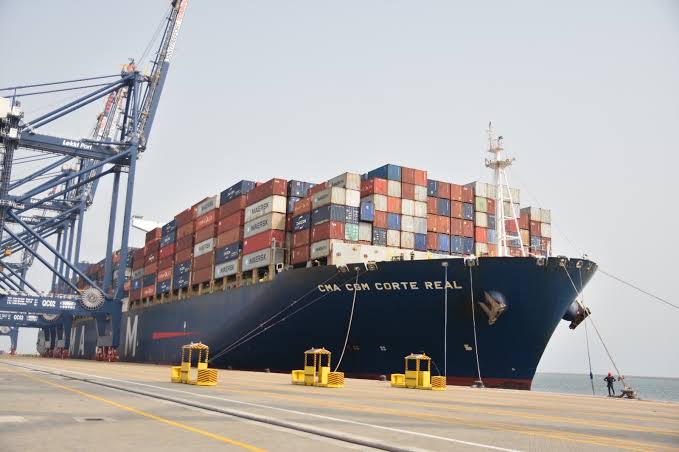
Meke lamented that less than one per cent of Nigeria’s freight reportedly moves through inland waterways, compared with about 61 per cent transported by road.
He said this imbalance had contributed to road congestion, faster deterioration of roads and higher transportation costs.
Identifying five major areas of investment, the expert said the first was maritime tourism, which could turn major rivers and waterways into destinations for cruises, recreational activities and passenger transportation.
He cited Egypt’s development of the River Nile as an example of how waterways could support tourism and transportation.
Meke proposed dredging the River Benue to Lokoja and improving navigation along the River Niger from Baro in Niger State towards the Atlantic Ocean, with a minimum water depth of 10 feet.
He said improved navigation could drastically reduce travel time, noting that a speedboat journey from Baro to Onitsha could take about 90 minutes, compared with an estimated nine hours under existing transportation arrangements.
He also proposed a Niger-Benue tourism corridor linking the Lokoja Confluence, Onitsha, Asaba, Delta creeks and Lagos Lagoon.
According to him, such a corridor could support river cruises, cultural tourism, hotels, restaurants and recreational businesses.
He identified Oguta Lake, Badagry beaches, Lagos Lagoon and the Bonny creeks as destinations capable of attracting local and international tourists with the right infrastructure and promotion.
Meke said the tourism industry would also create jobs for boat builders, jetty operators, tour guides, hotel workers, restaurant owners, photographers and local traders.
He disclosed that the Allied Concessionaries and Blue Economy Alliance had partnered NIWA to promote marine tourism in Lagos through safe water transportation, recreation and hospitality services.
On fisheries and aquaculture, he said the waterways could support large-scale fish production, processing and distribution, reducing Nigeria’s dependence on imported fish.
Other News
He identified catfish, tilapia, croaker, shrimps, oysters and periwinkles as aquatic resources that could support commercial production in different parts of the country.
He urged the 28 states to establish fish farming clusters based on their natural advantages, suggesting cage fish farming in Kogi, pond clusters in Ogun, shrimp farming in Delta and oyster farming around Lagos Lagoon.
He also called for investments in fish processing plants, cold storage, packaging and preservation facilities to reduce losses and improve the quality of locally produced fish for export.
Meke said transporting fish from Makurdi to Onitsha by self-propelled barge could provide a cheaper alternative to road haulage while reducing spoilage and transportation costs.
He described NIWA’s ongoing waterway clean-up programme, being implemented in partnership with Parts Central Limited, as an important step towards improving the environment and making the waterways safer for commercial activities.
The expert also urged state governments to invest in water transportation as a cheaper alternative to the country’s overburdened road network.
He said inland water transportation could be 20 to 30 per cent cheaper than road transport for bulk goods under suitable operating conditions, while producing fewer emissions.
According to him, the River Niger and River Benue could serve as major routes for moving agricultural produce and other goods from rural communities to commercial centres and seaports.
He welcomed the Federal Government’s approval of about ₦14.6 billion for modern boats and ferries to replace unsafe and outdated wooden vessels, particularly in Niger, Benue, Kogi, Kwara and Kebbi states.
Meke also cited the Lagos State ferry transportation system, operated through the Lagos State Waterways Authority, as evidence that sustained investment in terminals, boats and safety facilities could make water transportation commercially viable.
He challenged other states, including Kogi, Anambra, Delta and Cross River, to develop similar systems instead of relying solely on Federal Government interventions.
He particularly identified Kogi State, where the River Niger and River Benue meet, as a strategic location for a major inland water transportation and tourism hub.
He commended Governor Ahmed Usman Ododo for supporting NIWA’s efforts to develop the state’s waterways as drivers of the Blue Economy.
On waterfront development, Meke said locations such as Lokoja, Onitsha, Makurdi, Yenagoa, Calabar, Epe, Badagry and Ikorodu could attract investments in waterfront estates, boat clubs, floating restaurants, holiday resorts and recreational facilities.
He said Oguta Lake could support fishing lodges and weekend resorts, while the Lagos Lagoon could accommodate floating restaurants and recreational boating.
He also identified Ibeno Beach and other coastal destinations as potential locations for beach resorts, water sports and hospitality businesses.
According to him, waterfront properties have become major investment attractions in cities such as Dubai, Miami, Cape Town and London, adding that Nigeria could achieve similar results through proper land administration, infrastructure and private-sector investment.
However, Meke warned that pollution, oil spills, indiscriminate waste disposal, plastic waste and uncontrolled sand dredging could undermine the economic prospects of the waterways.
He stressed that clean waterways were essential to attracting investors, protecting fisheries, promoting tourism and ensuring safe transportation.
Also speaking, a mariner, Mr Samuel Olumide, urged governors of the 28 states with access to waterways to partner NIWA and private investors to develop the sector.
He advised state governments to move away from depending solely on annual budgetary allocations and embrace public-private partnerships (PPPs) to attract long-term investments.
“If these governors come together to invest in their waterways and showcase the opportunities available, investors will begin to take an interest in water”, he said.