Follow Us on Google
By Chinenye Anuforo
Nigeria’s ambition to compete in the global digital economy is under serious threat as adoption of Internet Protocol version 6 (IPv6) remains stuck at just five per cent, raising fears that the country could be left behind in the next wave of internet innovation.
Industry stakeholders warned that the slow transition from the outdated Internet Protocol version 4 (IPv4) could limit Nigeria’s ability to fully harness emerging technologies such as 5G, artificial intelligence, cloud computing and the Internet of Things.
IPv6 is the latest internet addressing system designed to replace IPv4, which has run out of available addresses due to the explosive growth of internet users and connected devices worldwide. Unlike IPv4, IPv6 provides a virtually unlimited pool of unique addresses, enabling seamless connectivity for billions of devices.
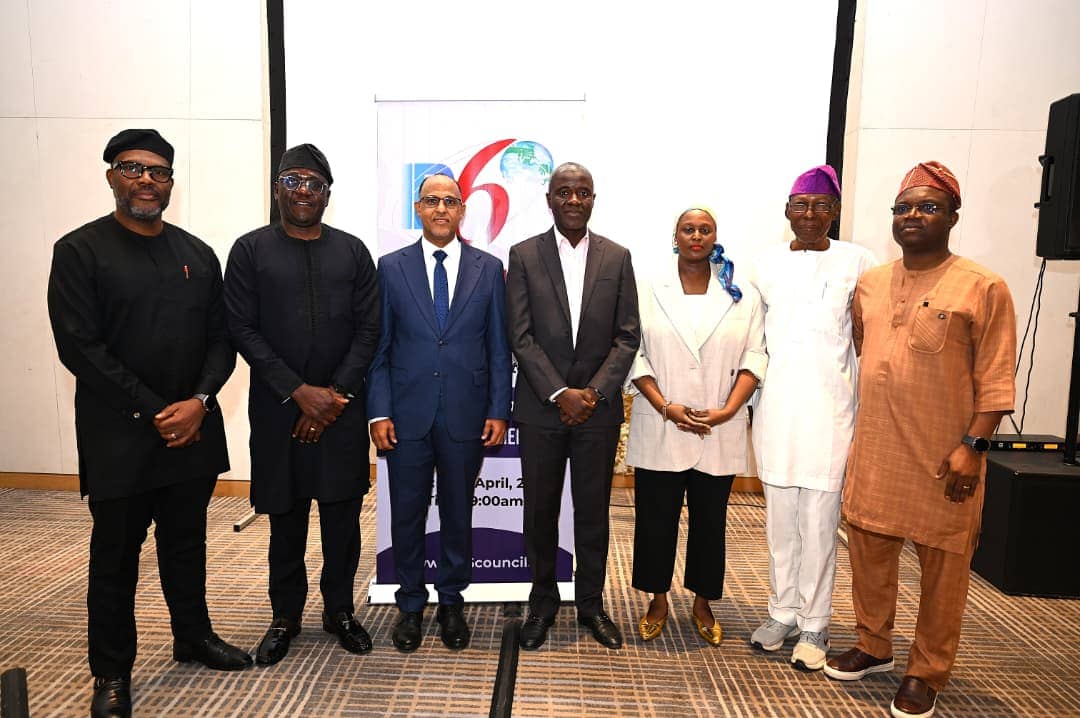
Speaking at the inauguration of the Nigeria IPv6 Council, Thursday in Lagos, Chief Executive Officer of the Internet Exchange Point of Nigeria, Muhammed Rudman, described Nigeria’s slow pace of adoption as a major risk to its digital future.
He attributed the delay to weak demand, low public awareness and continued reliance on IPv4.
“Most users just want internet access; they are not concerned about whether it is IPv4 or IPv6. That lack of demand means operators are not under pressure to migrate, even though the future depends on it,” Rudman said.
Despite Nigeria’s large and growing digital market, Rudman noted that many network operators already have IPv6 capability but have yet to fully deploy it to customers. Only a few networks currently provide IPv6 services to end users.
Nigeria’s performance also trails the African average of about six per cent, further heightening concerns about its readiness to compete globally.
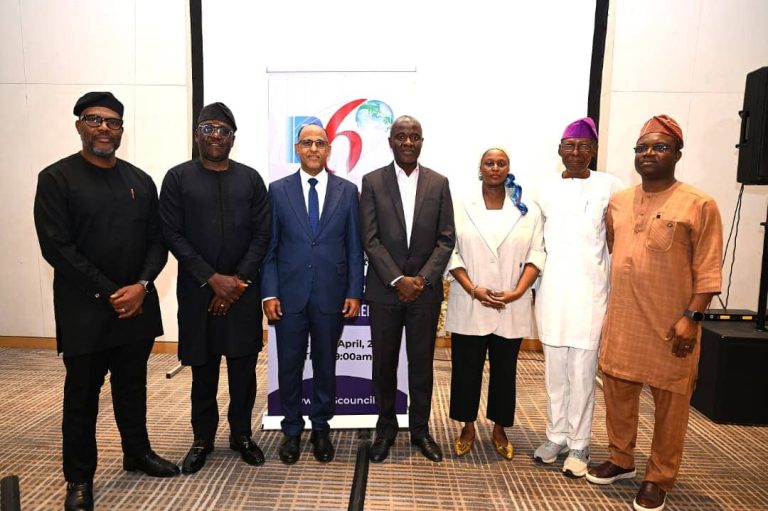
Executive Vice Chairman of the Nigerian Communications Commission, Aminu Maida, called for urgent action, stressing that IPv6 is critical to Nigeria’s digital competitiveness, security and economic growth.
“IPv6 is no longer optional; it is a strategic necessity. The investments we make today will determine Nigeria’s digital competitiveness tomorrow,” Maida said.
To close the gap, the NCC, in collaboration with the Nigeria IPv6 Council, has introduced a National IPv6 Implementation Strategy aimed at accelerating adoption across key sectors.
The plan targets at least 20 per cent IPv6 adoption across government networks and 25 per cent among telecom operators by 2027, with nationwide adoption projected to reach 30 per cent by 2030.
Rudman said capacity building remains a key focus, with plans to train at least 50 professionals by October to strengthen local technical expertise. However, he warned that the country faces a growing skills gap as trained engineers continue to leave Nigeria in search of better opportunities.
Experts also point to continued dependence on stopgap technologies such as Network Address Translation (NAT) as a factor slowing migration. While NAT allows multiple users to share a single IP address, it comes with drawbacks including weaker security, reduced performance and limitations for future innovation.
Technology expert Chris Uwaje urged Nigeria to rethink its digital infrastructure strategy to achieve true digital sovereignty.
“We cannot continue to depend on outdated systems while the rest of the world is moving forward,” he said.
Analysts warned that countries that delay IPv6 adoption risk higher future costs, slower innovation and reduced competitiveness in emerging technologies.
With global internet traffic increasingly shifting to IPv6, stakeholders say Nigeria must act fast or risk being sidelined in the rapidly evolving digital economy.