Follow Us on Google
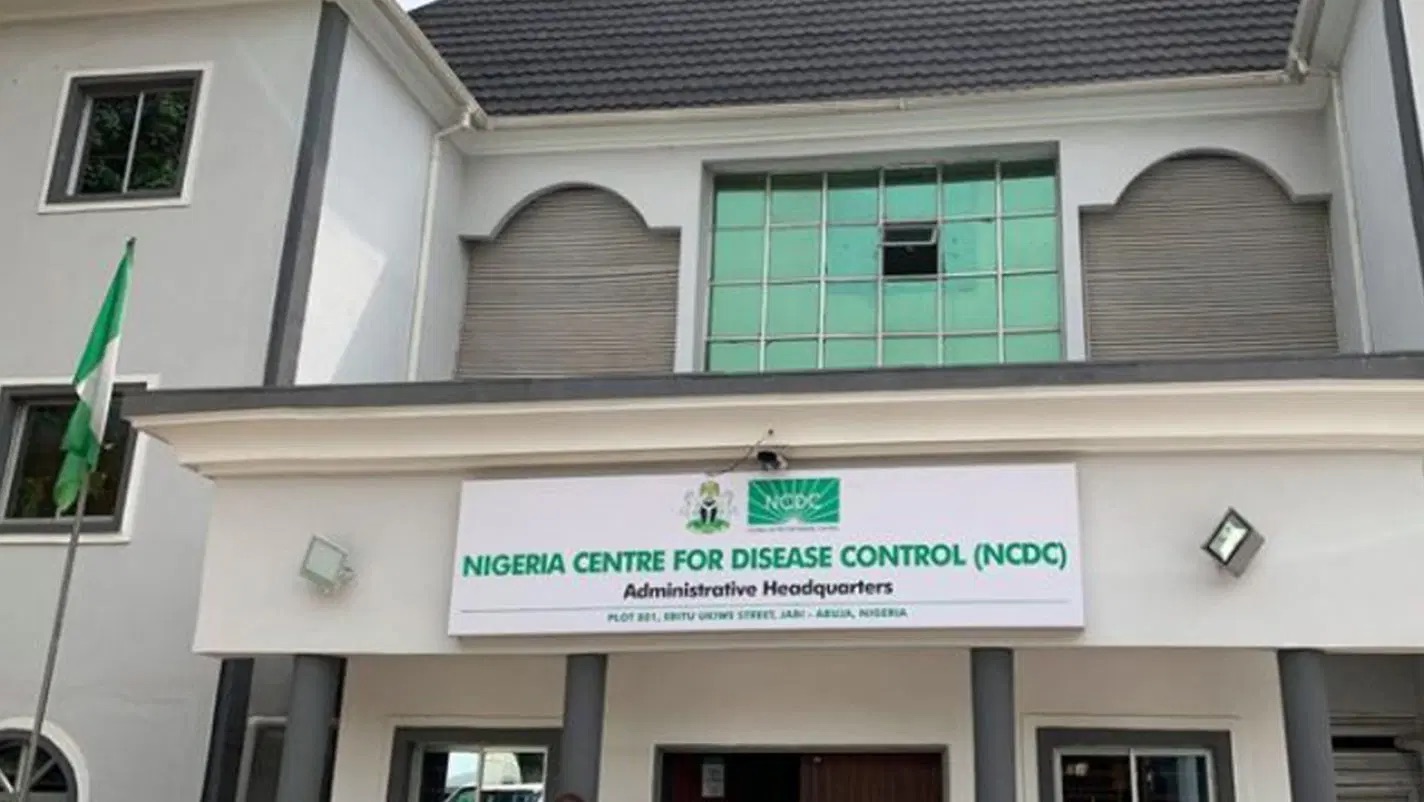
The Nigeria Centre for Disease Control and Prevention (NCDC) has reported 627 suspected measles cases across 30 states and 213 local government areas (LGAs) as of January 31, 2025.
Director-General of the NCDC, Dr. Jide Idris, yesterday in Abuja, said this marked a significant drop from the 2,157 cases recorded in January 2024.
The World Health Organisation (WHO) defined measles as a highly contagious viral infection that spreads through respiratory droplets when an infected person coughs or sneezes.
WHO said that the virus could linger in the air or on surfaces for hours, making transmission easy.
It said the symptoms usually start with fever, cough, runny nose and red, watery eyes, followed by a rash that spreads across the body.
It noted that severe complications include pneumonia, blindness, brain inflammation (encephalitis), and in some cases, death, particularly among the unvaccinated children and those with weakened immune systems.
According to Idris, the measles situation report for Epidemiological Week 7, February 10–16, 2025, 112 of the suspected cases, 17.86 percent, have been laboratory-confirmed, with no deaths recorded.
He said this was a notable improvement from the same period in 2024, which saw 23 confirmed measles deaths, resulting in a case fatality rate of 0.96 percent.
Idris stated that Katsina with 102, Jigawa (84), Akwa Ibom (56), Kebbi (52) and Enugu (32) recorded the highest number of suspected cases, accounting for over half of the national total.
He also revealed that 81.3 percent of the confirmed cases involved individuals, who had not received any dose of the measles vaccine, underscoring a major gap in immunisation coverage.
He said further analysis showed that nearly half, 46.4 percent of the confirmed cases occurred in children aged nine to 59 months.
“As of January 31, 38 LGAs across 18 states were experiencing active measles outbreaks, with Katsina leading with seven LGAs.
“Other states with multiple outbreak-affected LGAs include Adamawa, Gombe, Bauchi and Sokoto, each reporting three affected LGAs,” he said.
He noted that vaccination remained the most effective way to prevent measles.
“The measles-containing vaccine, typically administered as part of the Measles-Mumps-Rubella (MMR) vaccine, is given in two doses at nine months and 15 months per the National Primary Health Care Development Agency (NPHCDA) guidelines,” he said.
He said that strengthened routine immunisation, particularly in high-risk areas, early detection and rapid response to suspected cases and public health awareness campaigns were critical to encourage vaccination.
Idris stressed the importance of vaccination in preventing measles outbreaks and urged parents and guardians to ensure their children received the recommended doses.
He said the agency was also working to improve surveillance and outbreak response to curb further spread.
As the agency intensifies its immunisation efforts, Idris stressed the need for increased community engagement, better vaccine accessibility and stronger collaboration between health agencies and local communities to eliminate measles.
He urged Nigerians to stay informed through official health updates and participate in vaccination campaigns.