Follow Us on Google
From Oluseye Ojo, Ibadan
In a bid to tackle the over 17 million housing deficit in Nigeria, there is an urgent need for a strong and feasible housing policy to promote affordable mass housing production.
President and Chief Executive Officer of Fendini Group, a real estate firm, Laja Adeoye, made the disclosure during an encounter with journalists.
Nigeria’s housing deficit, according to the Federal Government, stands at over 17 million units. The estimated cost to bridge this gap is put at N21 trillion.
Adeoye drew attention to the potential of the housing sector as a key driver for economic recovery, empowerment of citizens, and reduction of unemployment.
As gathered, the housing sector’s contribution to the country’s Gross Domestic Product (GDP) has been above 10 per cent within the past eight years, and increased investment in the sector would reduce the housing deficit and boost economic growth.
Some of the identified causes of the housing deficit are rapid urbanisation, high construction costs, low mortgage access, and land acquisition bottlenecks.
Cities like Lagos, Abuja, and Port Harcourt are said to be expanding faster than housing supply. Cement prices, according to a market survey, have jumped over 30 per cent in two years, making housing unaffordable for many Nigerians.
Other News
On low access to mortgages, less than 10 per cent of Nigerians could reportedly access mortgage financing. A lengthy approval process was also identified as part of the factors delaying housing projects.
Adeoye advocated increased encouragement and use of local building materials.
He noted that public acceptance of local building materials has been hindered by widespread apathy towards the resources.
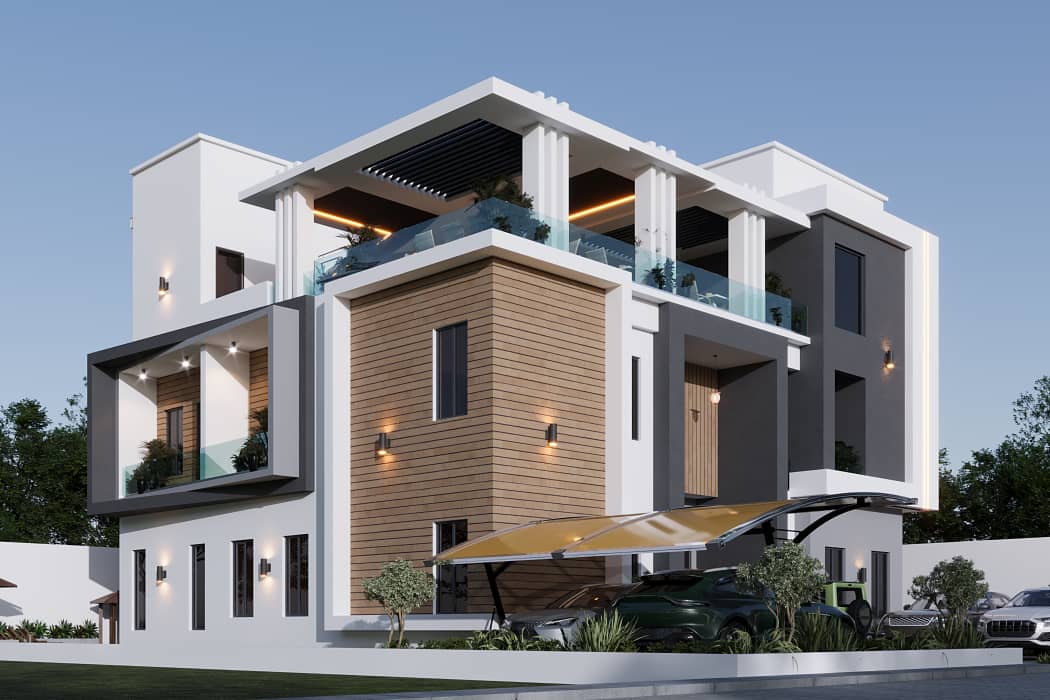
The Fendini boss reaffirmed his company’s commitment to complementing the government’s efforts in solving the housing deficit through the delivery of affordable luxury property via its flagship project, Rayfield Gardens City Estate in Ibadan.
He described Rayfield Gardens City, a 21-hectare estate located along the Ibadan-Iwo-Osogbo Road, as a strategic Public-Private Partnership between the Oyo State Government and Fendini Group.
The estate, he stated, features modern architecture, functional infrastructure, and sustainable living solutions, including solar-powered street lighting, treated water systems, and a dedicated facility management team.