Follow Us on Google
From Taiwo Oluwadare, Ibadan
A blood advocate and clinical researcher, Sijibomi Oladeji, has stated that Nigeria needs at least 1.8 million units of blood every year to meet national demand.
Oladeji said this over the weekend during the unveiling of his book titled *Red Gold*, held at the National Blood Service Commission (NBSC) South-West Zonal Office in Ibadan.
He bemoaned that the country continues to fall dangerously short of blood while raising fresh concerns over Nigeria’s worsening blood shortage crisis.
The event brought together medical experts, public health advocates, policymakers and donors for a conversation on Nigeria’s fragile blood supply system.
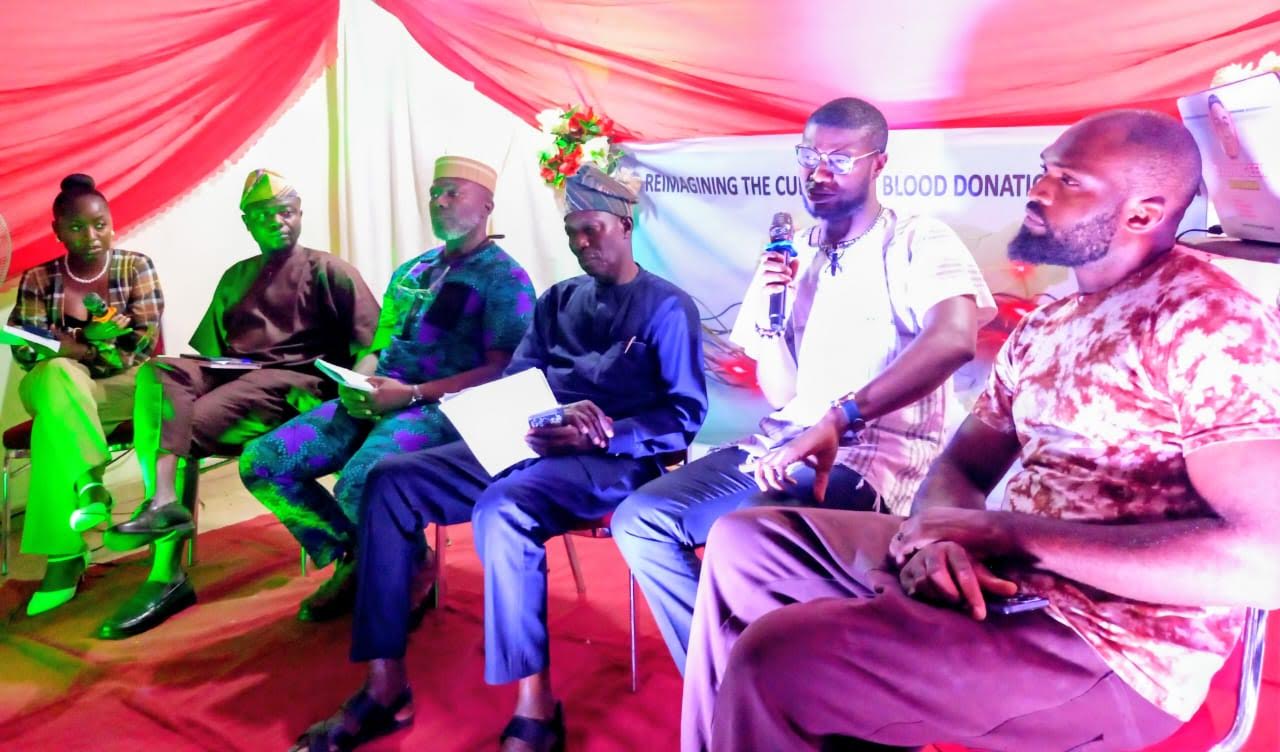
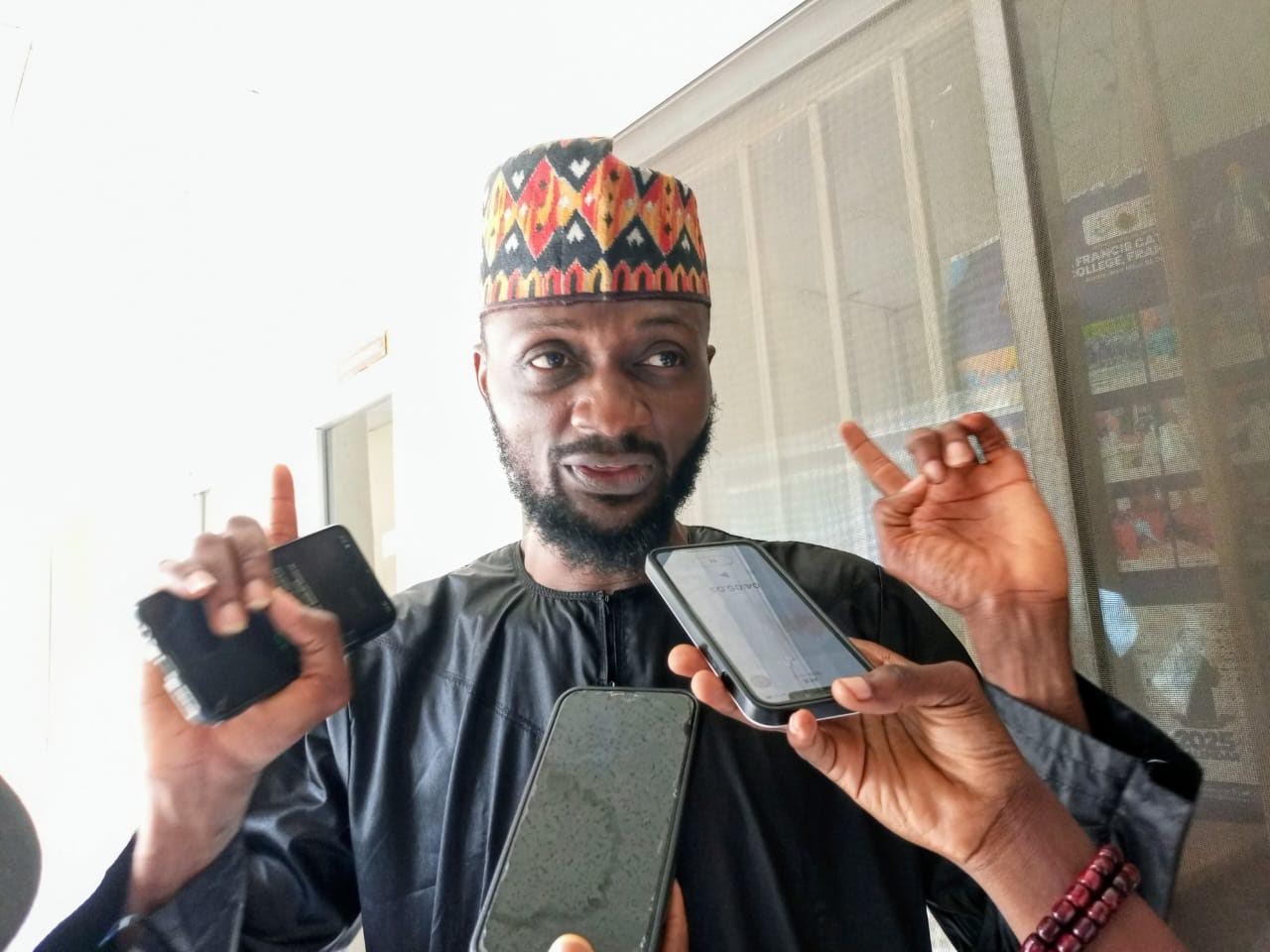
The event, which was hosted by The Red Gold Project Team in partnership with the NBSC, featured a public reading, a panel session, and an on-site donation opportunity.
Oladeji, in his keynote remarks, said his motivation for writing the book came from witnessing countless avoidable deaths caused by the country’s chronic blood shortages. He said the situation persists largely because the public remains unaware of the essential role of safe blood in emergency care.
“People don’t realise how precious blood is until they get to the hospital and find none,” he said.
“Blood is our red gold, valuable, scarce, and life-saving. Nigeria’s real problem is not the absence of blood, but the absence of awareness.”
He added that myths, fear and religious misconceptions keep many Nigerians from donating, creating a system where patients often have to beg, campaign, or pay heavily before blood can be secured.
Oladeji described Nigeria’s donation habits as reactive rather than proactive, noting that families often begin searching for donors only when a medical crisis emerges.
Other News
“In other countries, blood waits for people. Here, people wait for blood and many die waiting. We must change this culture.”
He urged authorities to intensify year-round sensitisation rather than limiting awareness to World Blood Donor Day on 14 June each year.
Oladeji acknowledged the efforts of the Tinubu administration, the NBSC Director-General and the national task force on blood regulation, noting the recent installation of an advanced testing machine at the Ibadan centre—one of only three in the federation.
However, he said these gains are weakened by the refusal of many hospitals to cooperate with national standards and the continued reliance on family replacement donors.
NBSC South-West Zonal Director, Dr. Oladapo Aworanti, echoed the author’s concerns, warning that government efforts are being undermined by profiteering and sabotage within the system.
He said subsidised blood is often diverted to private hospitals where it is sold for up to ₦50,000 per unit, defeating the government’s aim of reducing cost and increasing access.
“No matter how sophisticated a blood bank is, without donors it becomes useless. Some personnel collaborate with private facilities to create artificial scarcity. This must stop.”
Aworanti emphasised that religious institutions must be central to nationwide sensitisation, noting that churches and mosques have far greater influence on public perception than schools or NGOs.
“Some places of worship still forbid blood donation. Their leaders influence millions. If they support it, mindsets will shift immediately.”
Various stakeholders at the book launch, in their separate remarks, stressed that the gap in blood donation is being widened by misinformation, religious myths, low voluntary donation and systemic exploitation that endanger millions during emergencies.