Follow Us on Google
From Paul Orude, Bauchi
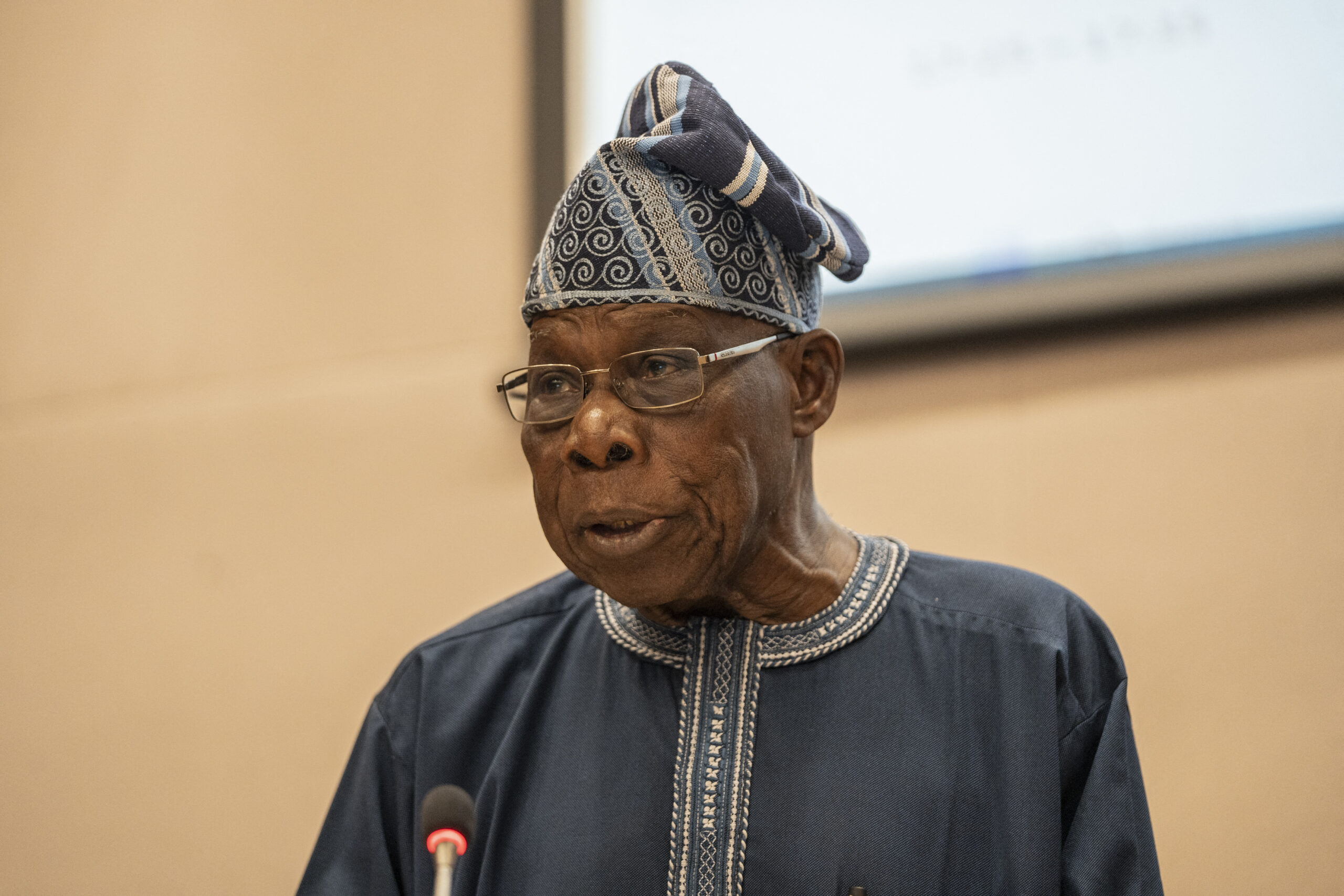
Former President Olusegun Obasanjo has called for a fundamental rethinking of Nigeria’s democratic system, arguing that the Western liberal democracy inherited from colonial rule has failed to adequately address Africa’s realities and deliver good governance.
Obasanjo spoke while chairing the annual Democracy Dialogue organised by the Goodluck Jonathan Foundation, held at the Sir Ahmadu Bello International Conference Centre, Bauchi, on Tuesday.
He questioned whether the democratic model imposed on African countries by their former colonial masters was suitable for the continent.
According to him, what is commonly referred to as African democracy is essentially Western liberal democracy transplanted into Africa, rather than a system developed from African history, culture, values and social realities.
“There’s nothing like African democracy. We were given Western liberal democracy by our colonial masters,” Obasanjo said, arguing that Africa must begin to consider a democratic model with genuine African context and content.
He defined democracy simply as a system of government in which power belongs to the people, exercised either directly through voting on laws or indirectly through elected representatives.
However, he stressed that the ultimate purpose of democracy should go beyond elections and political parties to delivering good governance and improving the welfare and well-being of citizens.
He said a functioning democracy should guarantee equity, inclusion, protection of lives and property, a sense of belonging and freedom from marginalisation and discrimination.
Obasanjo also criticised the growing control of political parties over elected representatives, saying those elected to represent communities and constituencies have increasingly become representatives of their political parties rather than the people who elected them.
Other News
He equally questioned the role of the judiciary in determining electoral disputes after millions of citizens have cast their votes.
“What purpose does it serve that when millions of people have voted, then five people will come to decide either in favour or against the decision of millions of people? Is that democracy?” he asked.
The former president said Nigeria’s diversity must be central to any democratic arrangement, warning that a system that fails to recognise and manage the country’s ethnic, cultural and social diversity cannot deliver genuine democracy.
Obasanjo also identified money politics, foreign influence, gender inequality and poor political representation as some of the challenges undermining democratic development in Nigeria.
He noted that Nigeria had gone through the Fourth Republic for more than two decades without electing a woman as governor, despite the fact that many elected male politicians had failed to demonstrate the character, values and leadership qualities required to govern effectively.
He therefore called for “innovative, positive, disruptive thinking” in addressing Nigeria’s democratic challenges.
According to him, democracy is not a destination but a journey, and even countries from which Africa inherited Western liberal democracy are currently re-examining the system.
He urged Africans to look beyond the existing model and develop a democratic system that reflects the continent’s values and realities.
“We have to do innovative, positive, disruptive thinking and take action out of the box,” Obasanjo said, proposing, among other things, a re-examination of the role of community representatives who, he argued, should not be hijacked by political parties.
He said such reforms could pave the way for a democratic system that is genuinely African in both context and content.