Follow Us on Google
From Emmanuel Adeyemi, Lokoja
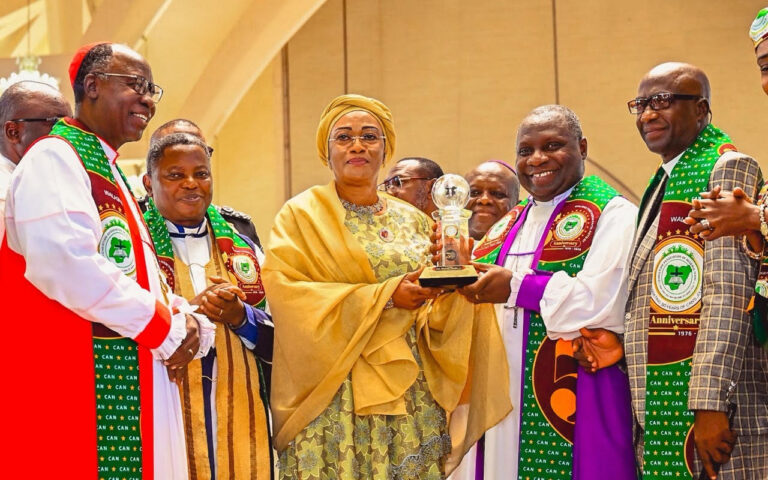
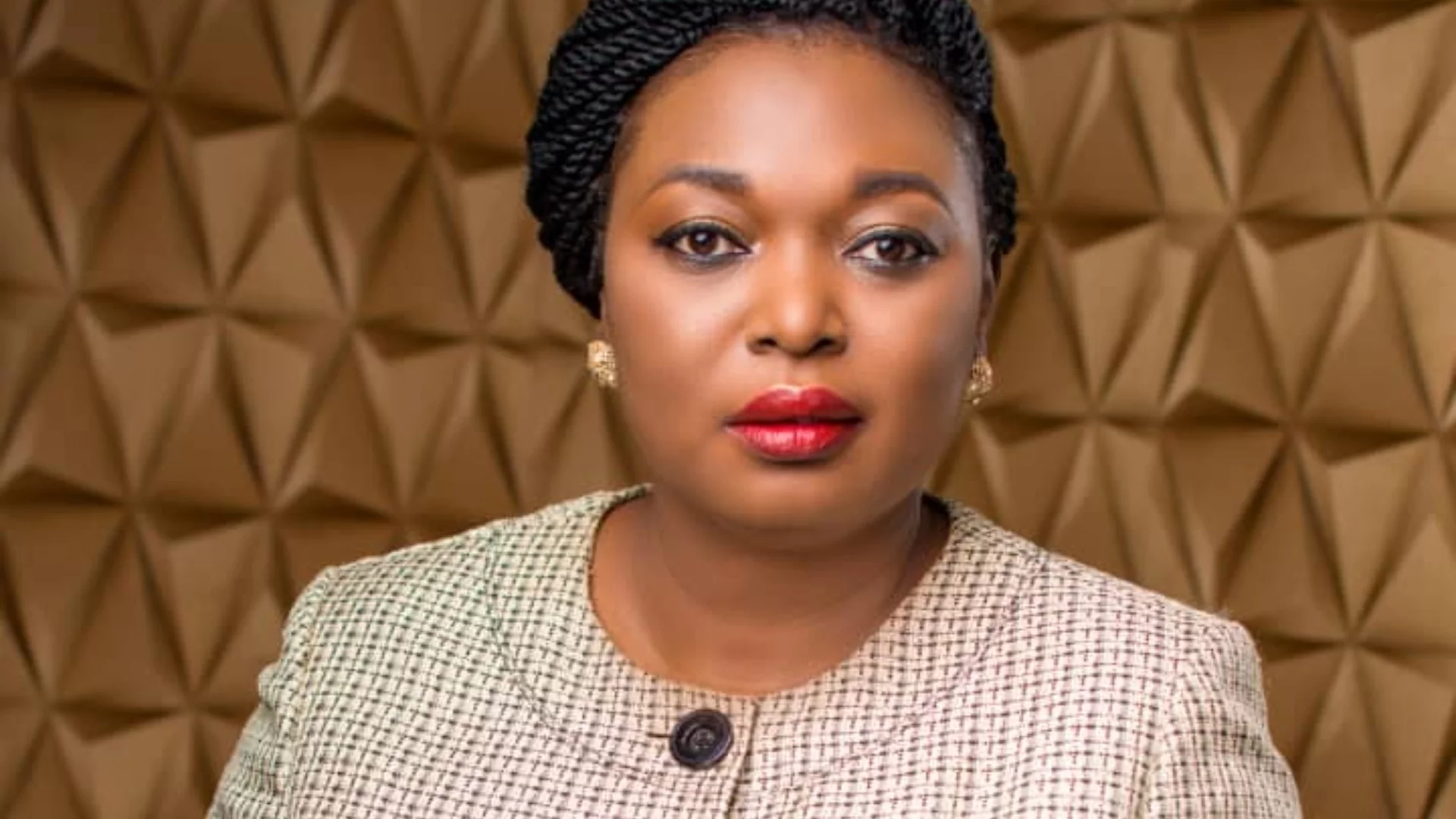
A former Kogi State aspirant for governor and women leader, Princess Grace Iye Adejoh, has said silence and denial will not stop the current bloodshed in the country, but only truth, justice, and moral leadership can.
In a press statement made available to newsmen in Lokoja, the women leader said for decades, Christians in Nigeria have endured sustained persecution and violence and are suffering in silence with no one to come to their aid, wondering why some people are now kicking against the planned intervention of the United States of America.
The statement reads in parts:
“Christians’ suffering is not new, but it has become more systematic and deadly in recent years. Too often, Nigerian Christians pay the price for global events beyond their borders — especially when Islam is perceived to be insulted or attacked elsewhere.
“A striking example was the Mohammed cartoon controversy of September 2005, when a Danish newspaper’s publication of cartoons depicting the Prophet Muhammad sparked violent protests across the Muslim world. In northern Nigeria, those protests turned deadly as mobs attacked Christian communities, killing dozens and destroying churches and homes.
“This tragic incident underscored a long-standing pattern: at the slightest provocation involving Islam, Christians in Nigeria often become targets of reprisal.
“Over time, this pattern has been compounded by the rise of extremist ideologies. Groups such as Boko Haram and the Islamic State West Africa Province (ISWAP) — inspired by global jihadist movements like ISIS and Al-Qaeda — have waged relentless campaigns against Christian communities.
“According to Amnesty International, Boko Haram has killed more than 37,000 people and displaced over 2.5 million in the Lake Chad region since 2009. Many of these victims have been Christians targeted specifically for their faith.
“The Open Doors World Watch List (2024) ranks Nigeria as the sixth most dangerous country in the world to be a Christian, citing ‘extreme levels of violence and persecution.’ Similarly, the U.S. Commission on International Religious Freedom (USCIRF) has repeatedly recommended that Nigeria remains on the list of ‘Countries of Particular Concern’ due to the government’s inability or unwillingness to stop faith-based killings.
Other News
“Yet, despite mounting evidence, there is a persistent reluctance — both domestically and internationally — to label the situation as genocide. Such hesitation is often political.
“Declaring a genocide triggers moral, legal, and diplomatic obligations under international law, including potential interventions or sanctions. However, the deliberate and systematic targeting of Nigerian Christians because of their religion meets key elements of the United Nations Convention on the Prevention and Punishment of the Crime of Genocide (1948).
“It is important to emphasise that this violence did not begin with the current administration, nor can any one government be solely blamed. Nevertheless, every administration carries a duty to protect all Nigerians and to be seen doing so transparently.
“Attempts to downplay the crisis or to present misleading narratives to international partners only deepen mistrust and prolong the suffering. Leadership, at its core, requires accountability and courage — not denial.
“At the same time, recent attacks on Muslim communities should not be ignored. If left unaddressed, they risk igniting another cycle of reprisal killings. Many of these attacks are believed to be driven by revenge or by corrupt political and business interests exploiting Nigeria’s deep ethnic and religious divides.
“According to Global Rights Nigeria (2023), more than 5,000 civilians were killed in non-state armed violence in 2022 alone — a testament to the country’s growing insecurity and the urgent need for reform.
“The Nigerian government must act decisively. It must strengthen intelligence gathering, reform the security architecture, and prosecute perpetrators of religiously motivated violence, regardless of their background.
“More importantly, it must work with faith leaders, civil society, and international partners to promote tolerance, justice, and national unity.
“Protecting citizens from targeted killings is not an act of generosity; it is the very foundation of governance. The failure to uphold this duty not only threatens Nigeria’s stability but also undermines its moral legitimacy in the global community.
“If Nigeria is to remain one nation under God, then truth, justice, and accountability must guide its path forward. Anything less would be a betrayal — not just of its Christians, but of the very idea of Nigeria itself,” the statement added.