Follow Us on Google
From Adewale Sanyaolu, Houston Texas
Nigeria is intensifying efforts to expand access to clean cooking by deploying a suite of market-focused policies aimed at unlocking private investment, improving affordability, and strengthening domestic energy supply,
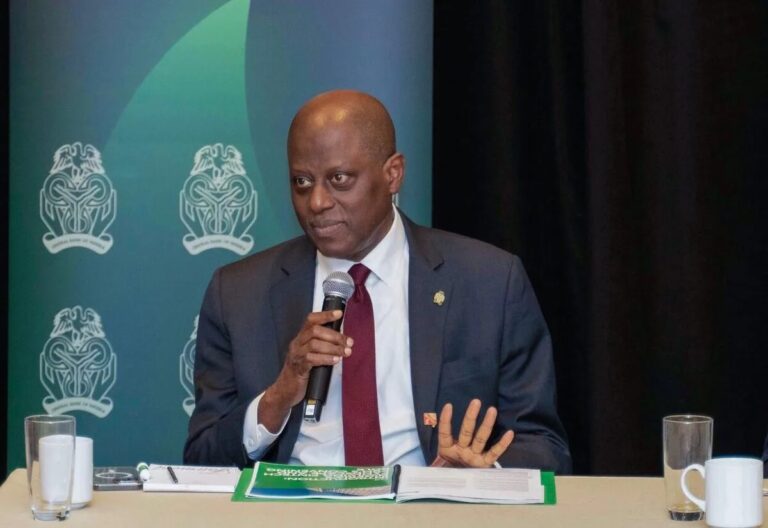
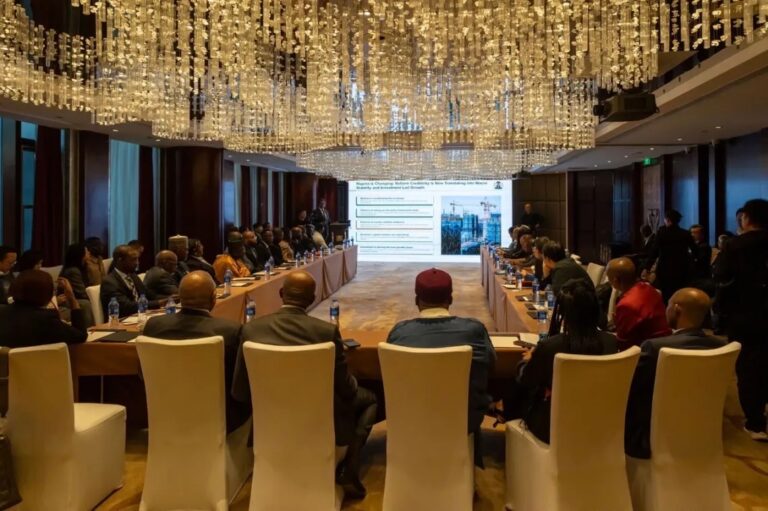
This was disclosed by the Special Adviser to the President on Energy, Olu Verheijen during a panel session at the ongoing CERAWeek by S&P Global Conference in Houston, Texas.
According to her, Nigeria is transitioning towards targeted subsidy frameworks that prioritise low-income households, replacing broader subsidy regimes that have historically proven inefficient.
She added that the government is also exploring technology-driven solutions to improve the precision and delivery of these subsidies.
In addition, she stated that pay-as-you-go models are being evaluated as a means of enabling households to purchase cooking fuel in smaller, more affordable increments.
This approach, she said, is expected to address the persistent challenge of refill costs, which has limited sustained usage even in areas with existing access.
She stressed that the policy framework also includes plans for large-scale public investment in cylinder distribution programmes to reduce the upfront cost of switching to clean cooking.
Such interventions, she explained have been widely deployed in countries like India and Indonesia, and are seen as critical to accelerating adoption at scale.
Verheijen emphasised that the success of the clean cooking transition will depend on clearly defined roles between the public and private sectors.
Other News
She pointed out that while government efforts are focused on de-risking the market, lowering entry barriers, and stimulating demand, private sector players are expected to drive efficiency, innovation, and expansion across the value chain.
She stressed that Nigeria’s integrated approach include —combining supply expansion, infrastructure development, targeted social support, and innovative financing aimed at transforming clean cooking from a policy ambition into a commercially viable and widely accessible solution.
Speaking on the country’s evolving energy strategy, Verheijen, said the government is deliberately moving away from treating clean cooking as a social welfare issue and instead positioning it as a functional market capable of attracting capital and scaling6 sustainably.
She added that central to this approach is the expansion of domestic supply, leveraging Nigeria’s vast gas reserves and increased refining capacity to boost local production of liquefied petroleum gas (LPG).
According to her, the policy direction is aimed at enhancing energy security and insulating the country from global supply disruptions.
However, despite improvements on the supply side, she regretted that distribution remains the critical bottleneck. Verheijen noted that while urban centres have seen relative progress due to stronger infrastructure and higher purchasing power, extending access to suburban and rural communities continues to pose significant challenges.
To address this, she disclosed that the government is implementing incentives designed to crowd in private capital for last-mile distribution infrastructure.
“These measures are expected to accelerate the build-out of supply networks into underserved areas, although current investment levels remain below the scale required to meet national demand,”.
However, she addedt that affordability is another key pillar of the strategy.