Follow Us on Google
By Lukman Olabiyi
Health advocates have raised the alarm over the growing threat of nicotine addiction in Nigeria following the influx of more than 573 new and emerging nicotine products into the country’s retail and digital marketplaces within just three months.
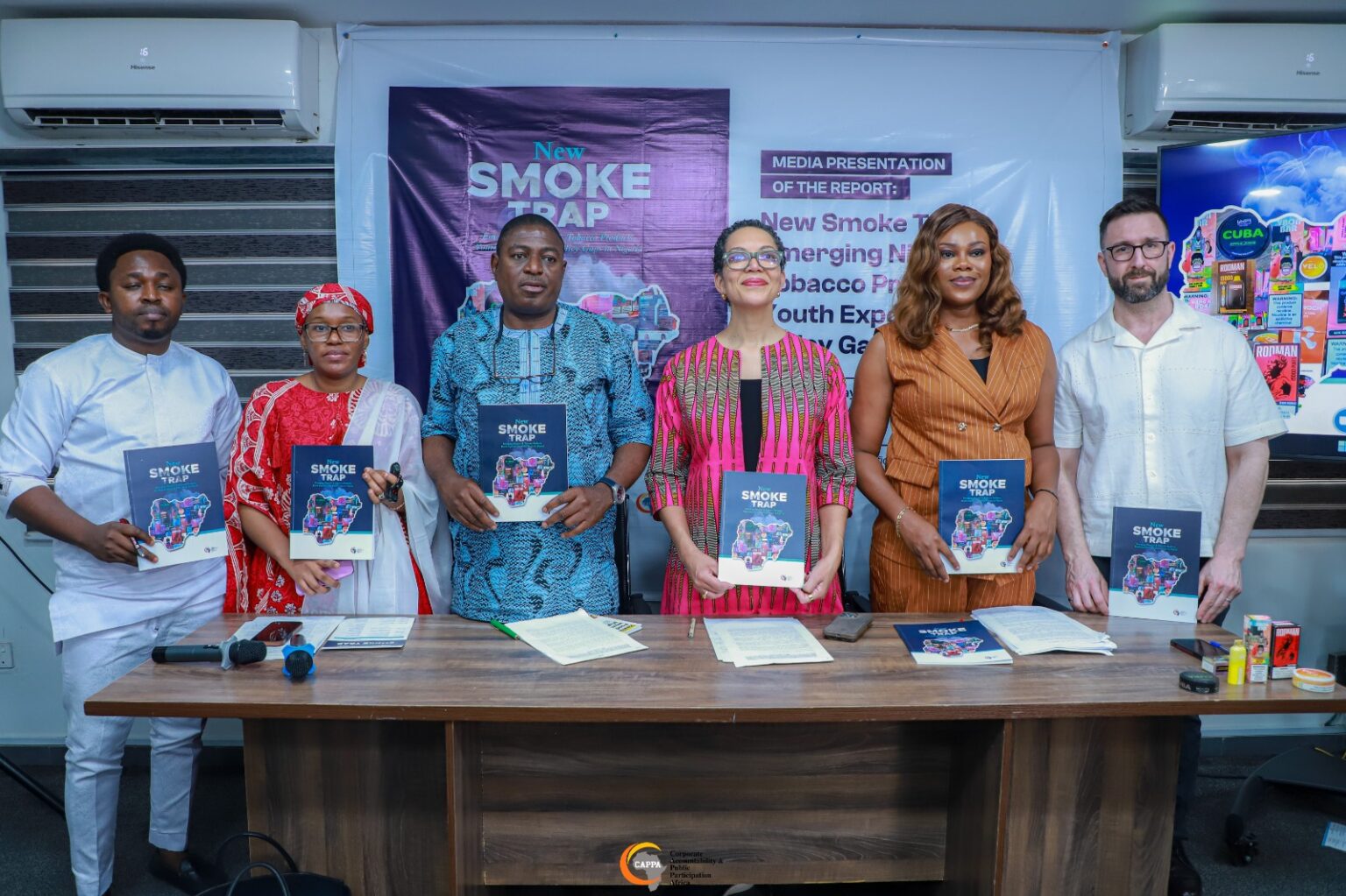
The warning was issued in Lagos during the presentation of a new report by Corporate Accountability and Public Participation Africa (CAPPA), which cautioned that regulatory gaps were exposing young Nigerians to potentially dangerous substances and accelerating the normalisation of nicotine use.
Entitled, “New Smoke Trap: New and Emerging Nicotine and Tobacco Products, Youth Exposure and Policy Gaps in Nigeria,” the report detailed findings from structured surveillance carried out between October and December 2025 across Lagos, Enugu, and the Federal Capital Territory.
Researchers documented 781 nicotine and tobacco-related products during the period, with 573 identified as new-generation nicotine devices such as e-cigarettes, nicotine pouches, and heated tobacco products.
Other News
E-cigarettes alone accounted for 522 variants, underscoring what experts describe as a rapidly expanding and potentially hazardous market.
Speaking at the launch, CAPPA Executive Director, Akinbode Oluwafemi warned that the country was witnessing the emergence of a “layered nicotine ecosystem” quietly embedding itself into everyday consumer culture.
“These products sit beside snacks, electronics, and cosmetics. They are sleek, flavoured, and framed as lifestyle accessories. But beneath the design is nicotine, the same addictive substance that has driven tobacco profits for decades,” he said.
The report highlighted particular concern over nicotine pouches, often promoted as “tobacco-free,” yet marketed online in strengths ranging from 3mg to as high as 100mg per pouch.
Some brands reportedly fail to clearly disclose nicotine levels on packaging while advertising high-strength options digitally, a practice, experts say heightens the risk of accidental over consumption and addiction.