Follow Us on Google
By Bianca Iboma-Emefu
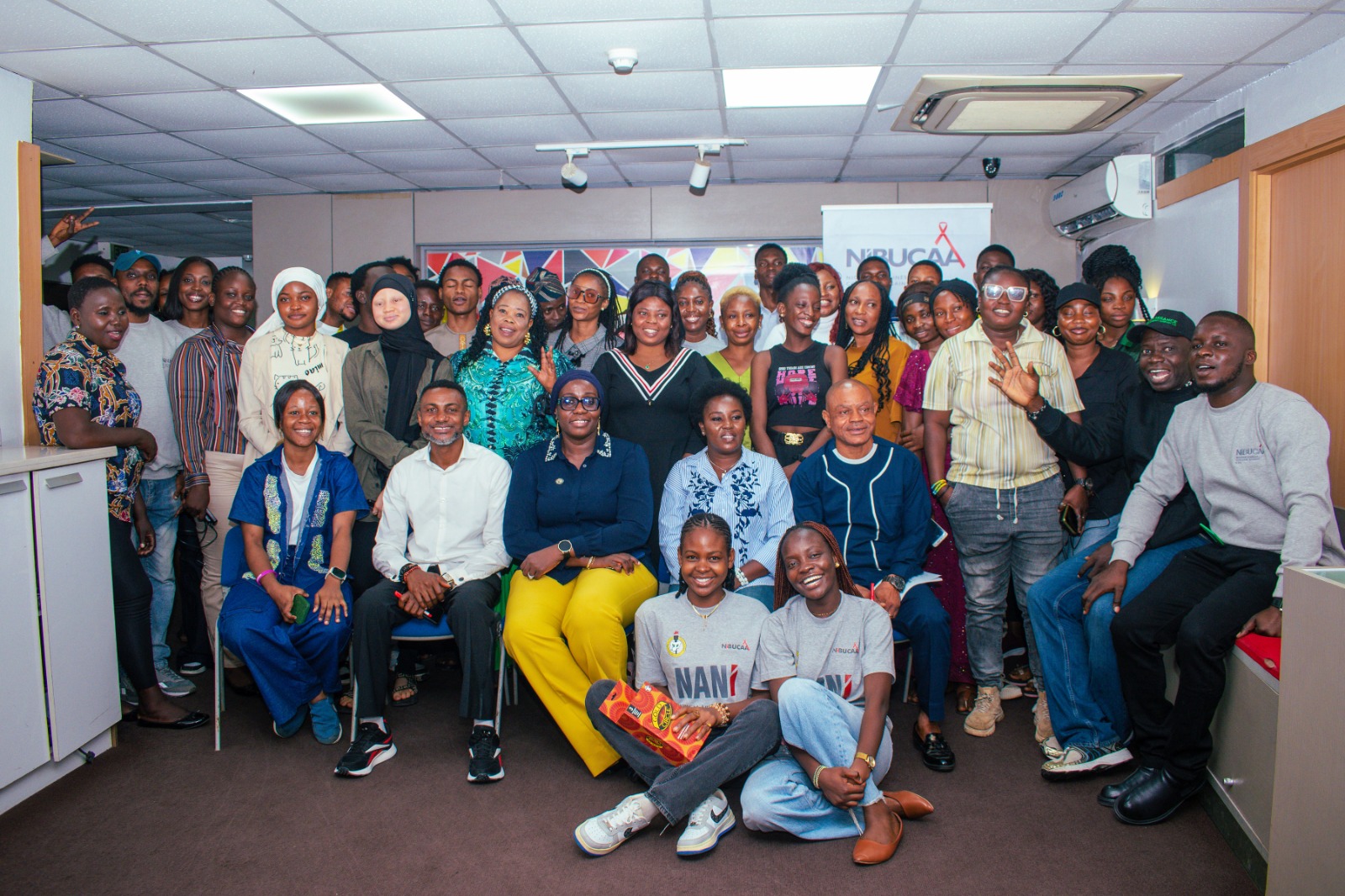
The Nigerian Business Coalition Against AIDS (NiBUCAA), in partnership with National Agency For the Control of AIDS (NACA), Lagos State Aids Control Agency (LSACA) and other stakeholders, has trained and empowered about 50 Youth Leaders representing their organizations, networks, councils, and associations to become champions in the ongoing battle against HIV/AIDS.
The initiative, launched recently to mark the International Youth Day 2025, aimed to harness the energy, creativity, and digital expertise of Nigeria’s youth to boost awareness, prevention, and support for those living with HIV. Program and Evaluation Officer, Tosin Akinrinade, emphasised that “no one should be left behind” in Nigeria’s HIV response.
He acknowledged the critical support from the United States Government through the the Global Fund, whose contributions have been instrumental in sustaining these efforts over the years. However, with the new U.S. Government directive on global health funding, he emphasized that it is now time for Nigeria to take greater ownership of its HIV response. Akinrinade therefore called for increased collaboration among state governments, the private sector, and community leaders to expand interventions targeting both adults and children, ensuring that no group is left behind.
“Our organization is making impactful strides in HIV/AIDS advocacy and awareness. Young people are at the forefront because they understand the cause best. They are more vulnerable to risky behaviors, so equipping them with knowledge and skills is essential. Through capacity building, they can disseminate accurate information within their communities, especially via social media platforms, which are powerful tools for advocacy.”
He underscored the importance of the ABC approach abstinence, be faithful, and use a condom as central messages for youth engagement. “We plan to conduct these training sessions across all states annually to sustain momentum. Our collective efforts have contributed to stabilizing the number of new infections, which is currently around 1.9 million, with a declining trend,” he explained.
The event also featured insights from Asoro Abubakri Olatunji, Vice Chairman of the National Youth Council of Nigeria (NYCN) Lagos East, who highlighted the need to empower young people to combat stigma and discrimination associated with HIV/AIDS. “This program aligns with International Youth Day’s message youth must take their health seriously and actively participate in prevention efforts. Nigeria’s fight against HIV/AIDS and TB has reached a standstill, but continued investment is crucial. Young people have demonstrated innovation and resilience, and they must lead advocacy and campaigns to build a healthier future.”
South West Zonal Coordinator, NACA, Biola Adedara, emphasised youth vulnerability to HIV due to unprotected sex and misinformation. She encouraged participants to become digital change agents and role models, leveraging social media to promote health and social justice. “Our goal is to reach grassroots communities and rural areas through youth-led awareness campaigns, in line with Nigeria’s HIV programming and UNAIDS 2030 targets,” she noted.
The training also incorporated modules on recognising that empowering youth with these competencies can enhance their socio-economic stability and mental well-being. Facilitator Adedara stated, “Providing young people with digital tools will help them access remote job opportunities, start businesses, and advocate for their rights more effectively.”