Follow Us on Google

By Chinenye Anuforo from Mauritius
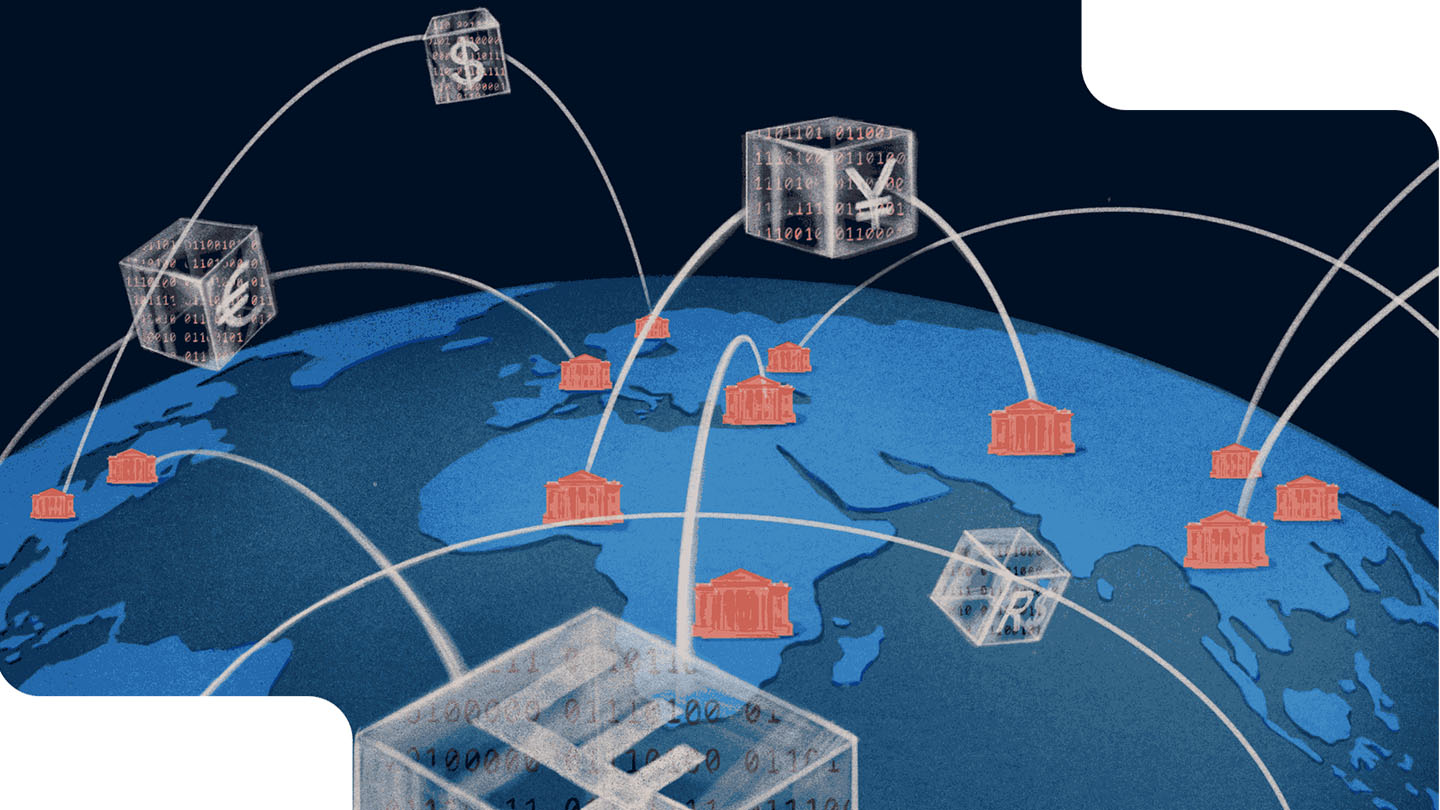
The Nigeria Inter-Bank Settlement System (NIBSS) is deepening efforts to strengthen cross-border payment connectivity across Africa, supporting the adoption of multiple interoperable payment networks to facilitate seamless transactions, expand market access and unlock trade opportunities across the continent.
The organisation said Africa does not necessarily need to depend on a single regional payment infrastructure to achieve seamless cross-border payments, stressing that multiple national and regional payment systems could coexist and complement one another, provided they are interconnected.
Managing Director and Chief Executive Officer of NIBSS, Premier Oiwoh, stated this during an interview with journalists in Mauritius, Thursday, on the sidelines of the launch of the 2026 State of Inclusive Instant Payment Systems (SIIPS) in Africa Report, organised by the AfricaNenda Foundation in partnership with the World Bank and the United Nations Economic Commission for Africa (UNECA).
Oiwoh urged African countries and payment infrastructure providers to move beyond prolonged discussions about integration and begin implementing practical solutions to connect existing payment systems across the continent.
He explained that existing regional arrangements, including the Pan-African Payment and Settlement System (PAPSS), could operate alongside other regional payment networks, noting that each system has its own settlement structures, operational arrangements and cost considerations.
“There is nothing wrong with having multiple payment systems. PAPSS is there and has its own costs, settlement arrangements and other structures. Other regions also have their own arrangements. Everybody should be allowed to pursue the system that works for them,” he said.
Describing the approach as a coalition of the willing, he argued that countries and regional blocs ready to advance payment integration should be encouraged to move forward rather than wait for a single continental arrangement to emerge.
He disclosed that some countries within the East African Community (EAC) had already developed integrated payment arrangements and were exploring connections with Nigeria.
According to him, connecting these systems to Nigeria’s payment infrastructure could provide access to a wider network of markets, including the Economic Community of West African States (ECOWAS) region, through existing interoperability arrangements.
The NIBSS chief maintained that multiple payment rails would inevitably emerge across Africa, making interoperability more important than the pursuit of a single continental payment infrastructure.
“The bottom line is that there will be multiple rails on the continent, whether we like it or not. Anybody can choose the rails they want and decide how they want to connect.
“A single road does not lead to a market. You have multiple roads in and out of a market. That is how I see it,” he said.
He, however, stressed that stakeholders must prioritise practical implementation, observing that African countries and payment institutions had continued to discuss cross-border integration year after year without making sufficient progress.
He said payment switches and interoperability arrangements should become central priorities for stakeholders seeking to strengthen Africa’s financial ecosystem.
“At what point do we move to action? At what point do we say, let’s do this and move forward? For me, these are the things we should all focus on as payment switches and payment infrastructure providers,” he added.
Highlighting Nigeria’s experience, Oiwoh said the country had been among the pioneers of account-based instant payment systems and had continued to expand its capabilities beyond basic money transfers.
He explained that Nigeria’s payment infrastructure now supports additional functionalities, including direct debits, mandate creation and request-to-pay services, which are being integrated into a broader payment ecosystem.
According to him, the country’s experience and existing infrastructure could support faster integration with other African markets, particularly within West Africa, where countries share similarities in their financial and payment environments.
He expressed confidence that innovations developed within Nigeria could be deployed across the ECOWAS region more easily through regional collaboration than through separate bilateral engagements with individual countries.
The NIBSS chief urged African stakeholders to concentrate on building practical connections between existing systems rather than creating fragmented arrangements that could further complicate cross-border transactions.
He said the ultimate objective should be to enable Africans to make payments across countries with the same ease they experience when conducting domestic transactions, a development he noted would support cross-border trade, commerce and broader economic integration across the continent.