Follow Us on Google

From Godwin Tsa, Abuja
The National Human Rights Commission (NHRC) has warned that misinformation, hate speech and manipulated digital content could deepen political divisions, threaten national peace and erode public confidence in democratic institutions ahead of the 2027 general elections, charging journalists to uphold professional ethics while holding political actors accountable.
The commission also called for the protection of journalists against intimidation, harassment and unlawful interference in the discharge of their duties, insisting that press freedom and citizens’ access to credible information were critical to the integrity of the electoral process.
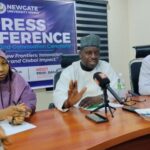
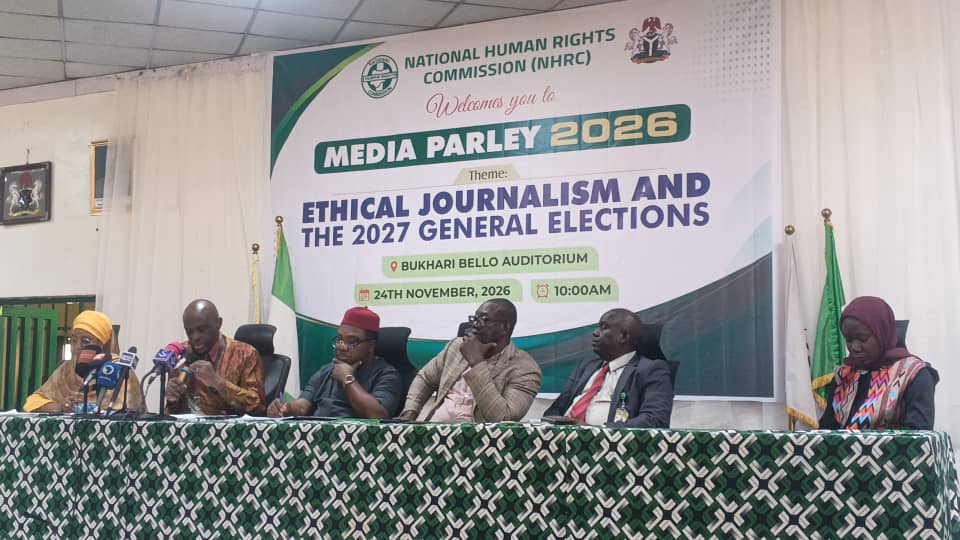
Executive Secretary of the NHRC, Tony Ojukwu, spoke in Abuja at a media parley themed “Ethical Journalism and the 2027 General Elections: Promoting Professionalism, Peace and Accountability.”
Ojukwu said elections transcended political contests and transfers of power, describing them as fundamental human rights processes encompassing freedom of expression, access to information, peaceful assembly, political participation and the right of citizens to freely choose their leaders.
He noted that the media occupied a strategic position in the electoral process through its responsibility to inform voters, scrutinise political actors, shape public opinion and provide a platform for democratic engagement.
“However, this influence comes with enormous responsibility, particularly at a time when misinformation, disinformation, hate speech, manipulated digital content and politically motivated narratives are increasingly capable of deepening divisions and undermining public confidence in democratic institutions,” he said.
Ojukwu stressed that irresponsible reporting could have far-reaching consequences for national peace, public safety and the enjoyment of fundamental human rights, urging journalists to be guided by accuracy, fairness, verification, balance and respect for human dignity.
“Our message is simple: the media must not become a vehicle for electoral division; it must remain an instrument for democratic accountability, peaceful participation and national cohesion,” he said.
The NHRC boss urged journalists to pay particular attention to human rights violations during the electioneering period, including voter intimidation, political violence, discrimination, attacks on journalists, restrictions on civic participation and violations of the rights of women, children, persons with disabilities and other vulnerable groups.
He, however, maintained that responsibility for a healthy media environment did not rest exclusively on journalists, stressing that media practitioners must be allowed to operate without intimidation, harassment or unlawful interference.
Other News
Acknowledging the risks associated with election coverage, particularly in volatile environments, Ojukwu announced that the commission, in collaboration with the Konrad Adenauer Stiftung, would launch a Safety Handbook for Journalists and Media Practitioners on November 26, 2026.
According to him, the handbook would provide practical guidance on managing risks associated with field reporting during the forthcoming elections.
“We believe that journalists who inform and defend the public interest must also have the knowledge and support required to protect themselves while carrying out their duties,” he stated.
Ojukwu reaffirmed the commission’s commitment to protecting journalists, noting that safeguarding their rights was essential to protecting the public’s right to information and preserving the democratic space.
Similarly, Chief Justice of Nigeria (CJN), Justice Kudirat Kekere-Ekun, represented by her Senior Special Assistant on Media, Tobi Soniyi, urged journalists to prioritise accuracy over speed, adhere strictly to their professional code of conduct and verify information before publication.
The CJN also called on media organisations to establish dedicated fact-checking desks to guard against the dissemination of false and misleading information and its attendant consequences for society.
National President of the Nigeria Union of Journalists (NUJ), Alhassan Yahya Abdullahi, represented by the National Secretary, Achike Chude, blamed the conduct of political actors for the growing tension ahead of the 2027 elections, warning journalists against allowing themselves to be manipulated by partisan interests.
Chude acknowledged the poor remuneration and difficult economic conditions confronting journalists but insisted that these should not compromise their professional obligations to uphold impartiality, fairness and accuracy. “Accuracy is better than speed,” he said.
He also cautioned journalists against allowing politicians to exploit ethnic, religious and geopolitical divisions to undermine national cohesion.
Director of the United Nations Information Centre (UNIC) in Nigeria, Ronald Kayanja, advocated the establishment of a joint electoral information integrity situation room by media organisations to detect and counter disinformation ahead of the elections.
Kayanja also canvassed the adoption of a voluntary code of conduct to strengthen professional self-regulation, promote accountability and rebuild public confidence in the media without compromising press freedom.