Follow Us on Google
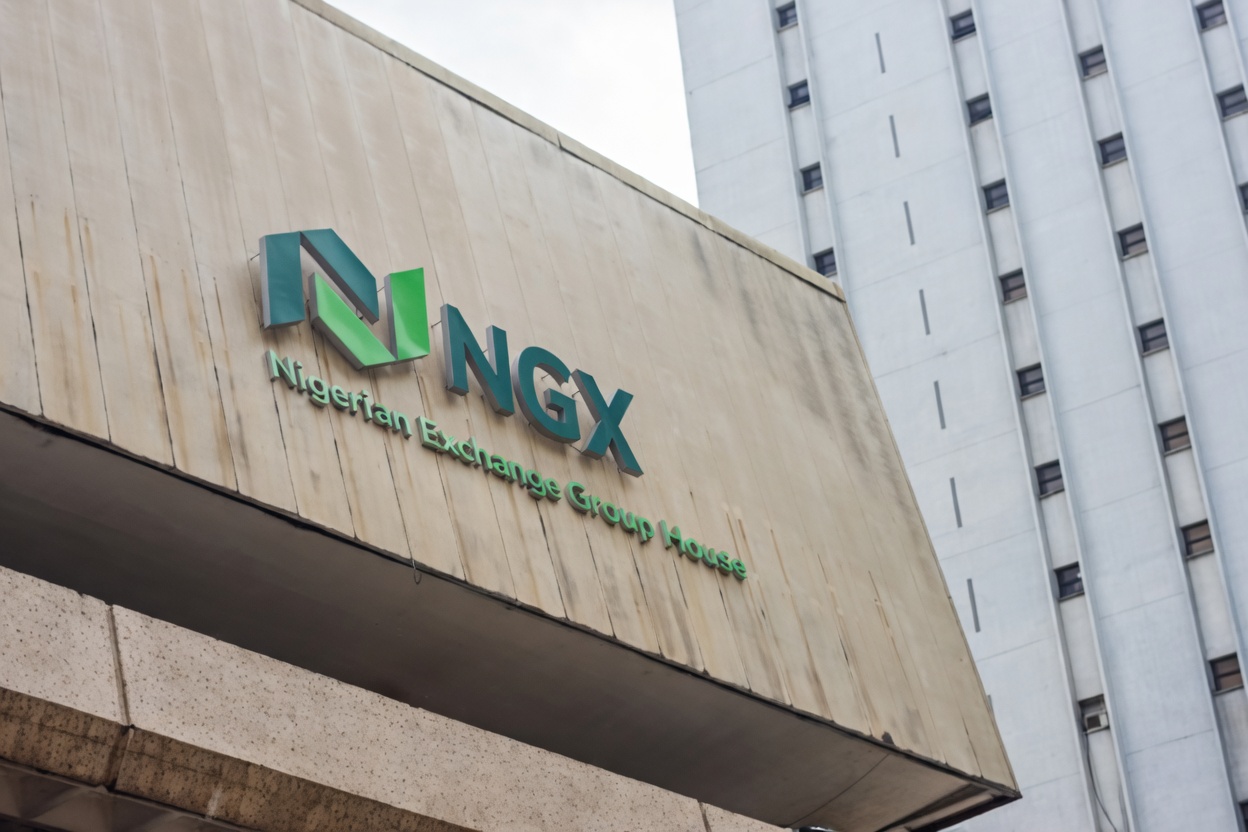
The Nigerian Exchange Limited (NGX) has returned to a tiered price discovery framework for equities following approval by the Securities and Exchange Commission (SEC), ending the uniform 100,000-unit threshold that has governed price movements across stocks in recent years.
The latest amendment marks a return to a graduated structure similar to the market microstructure framework introduced by the exchange in 2018, when equities were grouped according to their price levels and subjected to different volume thresholds for price movements.
Under the amended Rule 15.29 of the NGX Rulebook, equities will now be classified into three groups based on their share prices, with different trading volume requirements needed to alter their published market prices.
Stocks priced at N1,000 and above will require a minimum of 10,000 shares to change their reported prices, while equities trading between N500 and N1,000 will require 50,000 shares. Stocks priced below N500 will continue to require 100,000 shares before a trade can affect the published price.
The rule amendment was approved by the SEC on June 16, 2026, according to documents released by the exchange. The revised framework means that high-priced equities will require significantly fewer shares to move their market prices than under the current arrangement, potentially improving price discovery and trading activity in some of the market’s most valuable stocks.
Other News
The amendments also redefine what constitutes a small trade. Transactions below 10,000 shares for Group A stocks, 50,000 shares for Group B stocks and 100,000 shares for Group C stocks will be classified as small trades and will not affect publicly reported prices.
According to the rules, such trades will also be excluded from key market statistics, including last traded prices, daily highs and lows, 52-week highs and lows, opening prices, closing prices and relevant market indices. The exchange had previously adopted a uniform threshold of 100,000 units for all equities, regardless of their price levels. Under that framework, trades below 100,000 shares were treated as small trades and were excluded from determining official market prices and other trading statistics.
Beyond the changes to pricing methodology, the NGX has introduced a series of market structure reforms in recent months aimed at improving trading efficiency.
The Nigerian capital market commenced a T+1 settlement cycle for equities and commodities on June 1, 2026, reducing the settlement period for transactions to one business day after execution.
The exchange also recently adjusted its trading hours, moving the opening of the market to 9:00 a.m. and extending the close of trading to 3:00 p.m.