Follow Us on Google
Nigeria’s football governing body is headed for a major shake-up after the government secured FIFA’s backing for sweeping reforms to the Nigeria Football Federation (NFF), National Sports Commission (NSC) Chairman Shehu Dikko has announced.
The reform push follows the mass resignation of the NFF board and General Secretariat, which left the federation without any recognized leadership — a scenario Dikko said the organization’s own statutes never anticipated.
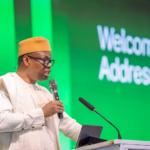
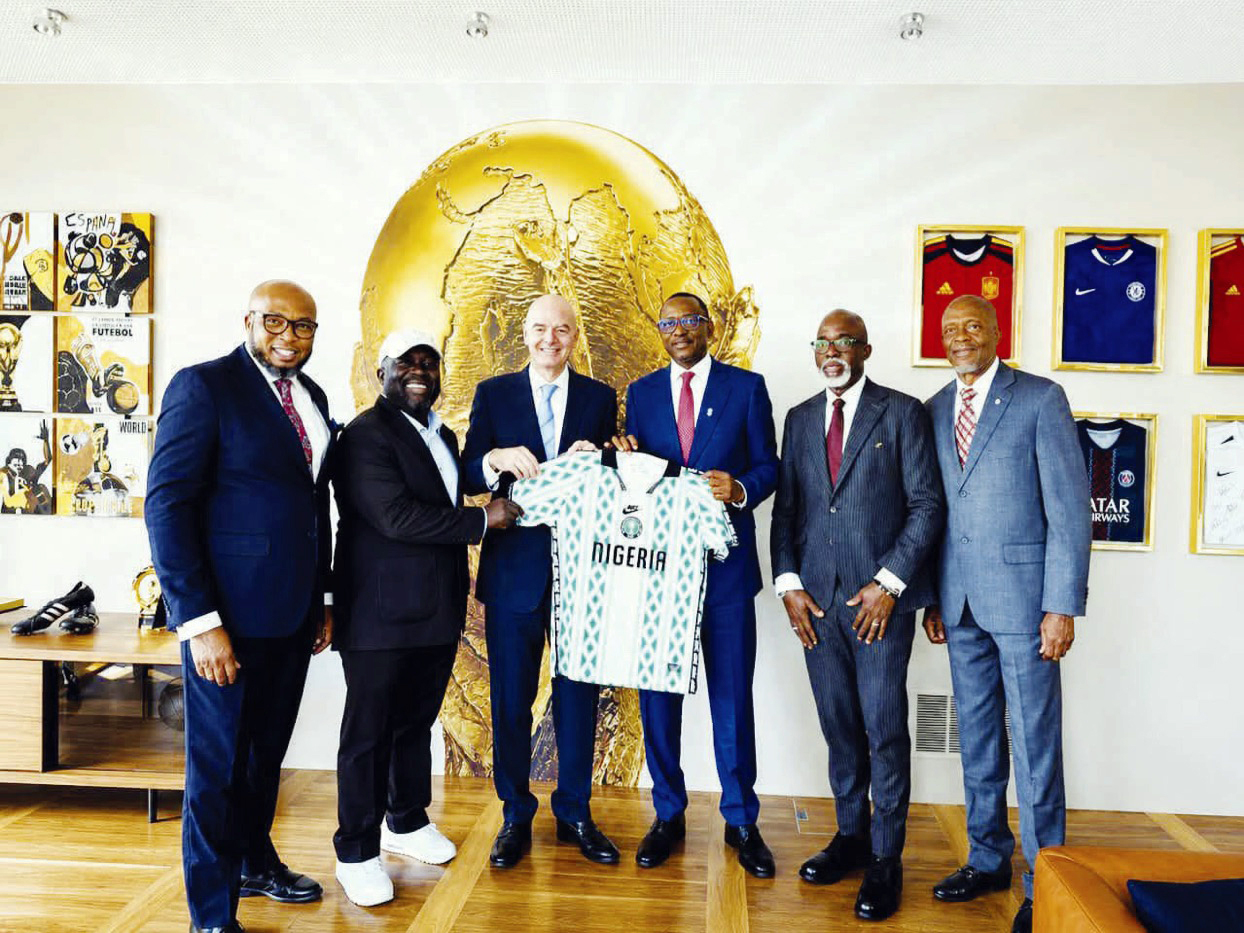
Speaking on Arise TV as guest, Dikko revealed that the trip to Zurich was necessary. “After the resignation of the entire board of the NFF and the General Secretariat, naturally, we had a lacuna because there was no provision in the rule book for a situation where nobody was left to legally run the NFF within the framework of the existing rules,” Dikko said.
Facing that vacuum, the Nigerian government turned to FIFA, which convened a meeting with senior officials from FIFA, the Confederation of African Football (CAF), and legal experts to address both the immediate crisis and the country’s longstanding calls for structural reform.
Dikko said FIFA and CAF were well aware the problems in Nigerian football administration were nothing new, pointing to failed reform attempts stretching back through the Obasanjo, Yar’Adua, Jonathan and Buhari administrations. “This is something FIFA knows has been on the cards for decades in Nigeria. It did not start today,” he said.
According to Dikko, FIFA endorsed the government’s reform proposals in principle but insisted the process follow proper procedure and stay within football’s regulatory framework. He said FIFA also acknowledged government’s legitimate stake in the sport given its role in funding, infrastructure and security.
Other News
Stakeholder consultations are already underway, with the NFF Congress reviewing the government’s reform blueprint. FIFA and CAF are expected to send a team to Nigeria for an on-the-ground assessment before wider consultations continue.
Central to the plan is a Normalization Committee that would run the federation through the transition period — potentially lasting anywhere from three months to a year, depending on how much reform is required. Dikko stressed its members must be free of any conflicts of interest tied to the NFF.
The committee would handle statute reviews, implement agreed reforms, and ultimately organize elections for new NFF leadership. But Dikko cautioned that not every reform goal can be met within the committee’s tenure, so the agenda will be split into immediate, medium- and long-term priorities — with the incoming elected leadership bound to continue the work.
“There will be an agreement involving the Nigerian government, FIFA and CAF that whoever emerges as president must continue along this reform path and ensure that the reforms are fully implemented within the agreed framework,” Dikko said.
He described the start of consultations as the first concrete step toward a more stable and sustainable governing structure for Nigerian football — one aimed not just at resolving the current crisis, but preventing the next one.