Follow Us on Google
From Juliana Taiwo-Obalonye, Abuja
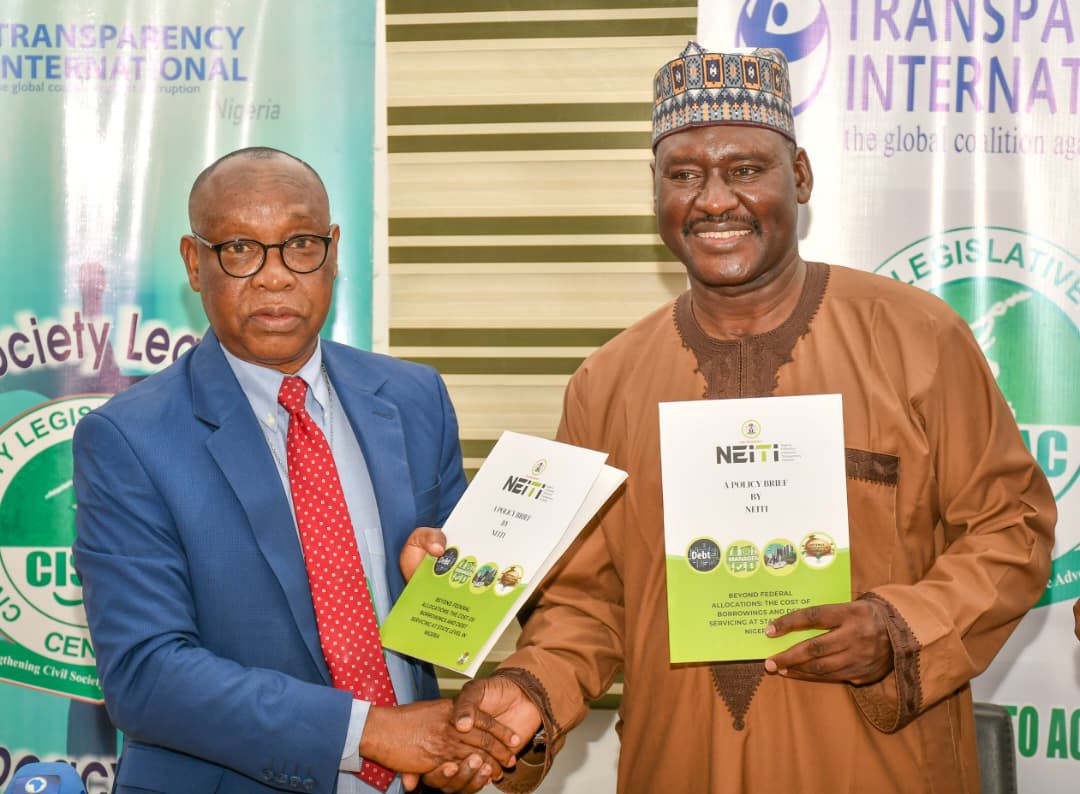
Civil Society Legislative Advocacy Centre (CISLAC) and Nigeria Extractive Industries Transparency Initiative (NEITI) have reinforced their shared dedication to transparency, accountability, and reform in Nigeria’s extractive industries.
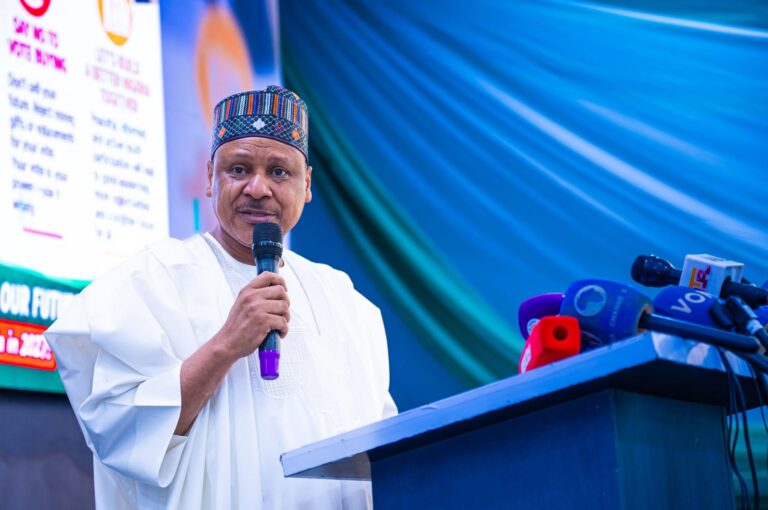
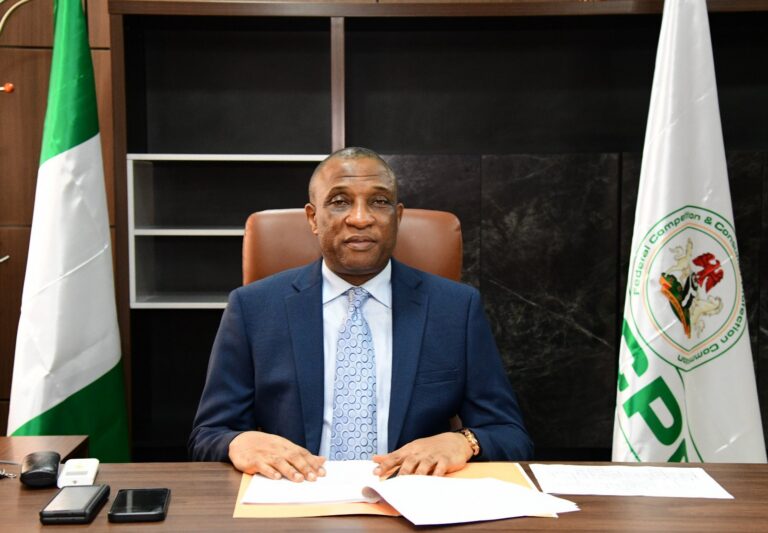
NEITI’s Executive Secretary Orji Ogbonnaya Orji and CISLAC Executive Director Auwal Musa Rafsanjani, who led a delegation of NEITI’s management team signals a renewed partnership aimed at tackling emerging challenges and redefining civil society’s role in governance.
Rafsanjani in his remarks earlier, underscored the historic and strategic partnership between CISLAC and NEITI. He highlighted CISLAC’s proud role in advocating for the establishment of the Extractive Industries Transparency Initiative (EITI) in Nigeria, describing how the country became the first worldwide to implement EITI following its voluntary 2003 endorsement.
“CISLAC is proud to have been one of the civil society organizations that advocated, through strategic stakeholder engagement, for the establishment of EITI in Nigeria. We stood shoulder to shoulder with other reform-minded actors to push for a legislative framework that would entrench transparency in the extractive sector.”
Rafsanjani recalled Nigeria’s pioneering global position when it became the first country to implement EITI after voluntarily signing up in 2003, and the instrumental steps that followed: “That effort led to Nigeria becoming the first country in the world to take practical steps to implement the Extractive Industries Transparency Initiative (EITI),…This decision resulted in a unique triple mechanism: The enactment of the NEITI Act in 2007, the creation of a fully staffed national EITI Secretariat, and annual public budgeting and legislative oversight for EITI implementation.”
He stressed that NEITI has evolved beyond an ordinary agency to become “Nigeria’s official and operational subset of the global EITI movement,” tasked to “promote prudent resource governance, reduce poverty, and support sustainable development.”
Rafsanjani further elaborated on the natural synergy between CISLAC and NEITI: “CISLAC’s core mission, to deepen legislative and institutional reform for social justice and good governance, finds full expression in NEITI’s own work. Both of our institutions are anchored in transparency… driven by a people-centered vision: that Nigeria’s vast natural wealth must be used for the benefit of all Nigerians, not just the privileged few.”
Highlighting ongoing challenges, Rafsanjani pointed to Nigeria’s complex extractive landscape: “Today, Nigeria is navigating complex challenges: declining oil revenues, the growing imperative of energy transition, and emerging governance risks in the expanding solid minerals sector.” He posed critical questions urging action: “Are we effectively using NEITI reports to drive accountability and reform? Are we sufficiently translating data into action at the sub-national level? Are communities in extractive regions seeing the impact of transparency?” These, he said, “are the questions CISLAC continues to raise.”
Looking forward, he identified key areas for strengthening collaboration between CISLAC and NEITI: “Tracking Implementation of NEITI Audit Recommendations; Legislative Advocacy to strengthen extractive governance laws; Capacity Building and Public Awareness among journalists, parliamentarians, and CSOs and Strengthening Civic Space in Extractive Governance amid shrinking democracy.”
Other News
“The true wealth of a nation lies not in its natural resources, but in how those resources are managed and shared,” Rafsanjani stated, emphasising that both CISLAC and NEITI are anchored in a people-centered vision where Nigeria’s natural wealth benefits all citizens, not just an elite few.
He concluded with a call for renewed commitment: “Let us recommit to our shared values of transparency, accountability, and citizen engagement. Let us continue to champion reforms that make the extractive sector more responsive to the needs of ordinary Nigerians. CISLAC stands ready to walk this journey with you.”
Orji, in response, paid tribute to CISLAC’s vocal role in civic advocacy and governance reform, positioning civil society as the essential conscience of the EITI process globally and within Nigeria. He stressed that civil society has been crucial in amplifying citizen voices, safeguarding transparency norms, and catalyzing reforms that go beyond the reach of governments and companies alone.
However, Orji called for a new agenda for civil society—one that transcends routine advocacy to embrace knowledge-based, evidence-driven, and solution-oriented leadership. “It is time to move from simply demanding accountability to providing knowledge leadership that adds real value,” he said.
He urged civil society organizations to lead in energy transition accountability by developing scorecards for tracking commitments, analyzing complex data like contract disclosures, and shaping policies on resource mobilization and fiscal justice.
Orji also outlined NEITI’s institutional support to empower civil society, including new memoranda of understanding with key government agencies and the development of a Data Center for real-time disclosures related to revenues and contracts. These platforms, he emphasized, offer civil society expanded access and leverage to deepen their impact.
In a direct appeal to CISLAC, he said, “The time has come for CSOs to look inward and embrace this new agenda—from watchdogs to solution-providers, from activists to knowledge leaders, from observers to reform architects.” He challenged CISLAC to evolve its communications from bulletins to peer-reviewed scholarly journals, thereby institutionalizing knowledge production and strengthening Nigeria’s civil society’s role in global extractive governance discourse.
Both leaders stressed the necessity of deepening collaboration to ensure that Nigeria’s extractive wealth effectively contributes to sustainable development and social justice.
The meeting ended on a call to renew commitment and forge a more deliberate and impactful partnership aimed at making extractive governance more responsive to the needs of ordinary Nigerians.