Follow Us on Google

• Directs action on lower transport fares, food affordability
• Butchers blame forex, haulage costs, seek cargo trains as meat hits N10,000/kg in Lagos
From Juliana Taiwo-Obalonye, Abuja, with NAN reports
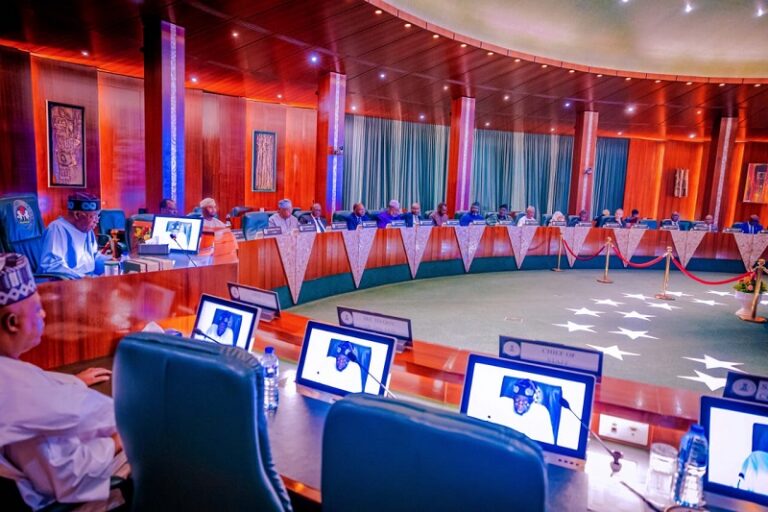
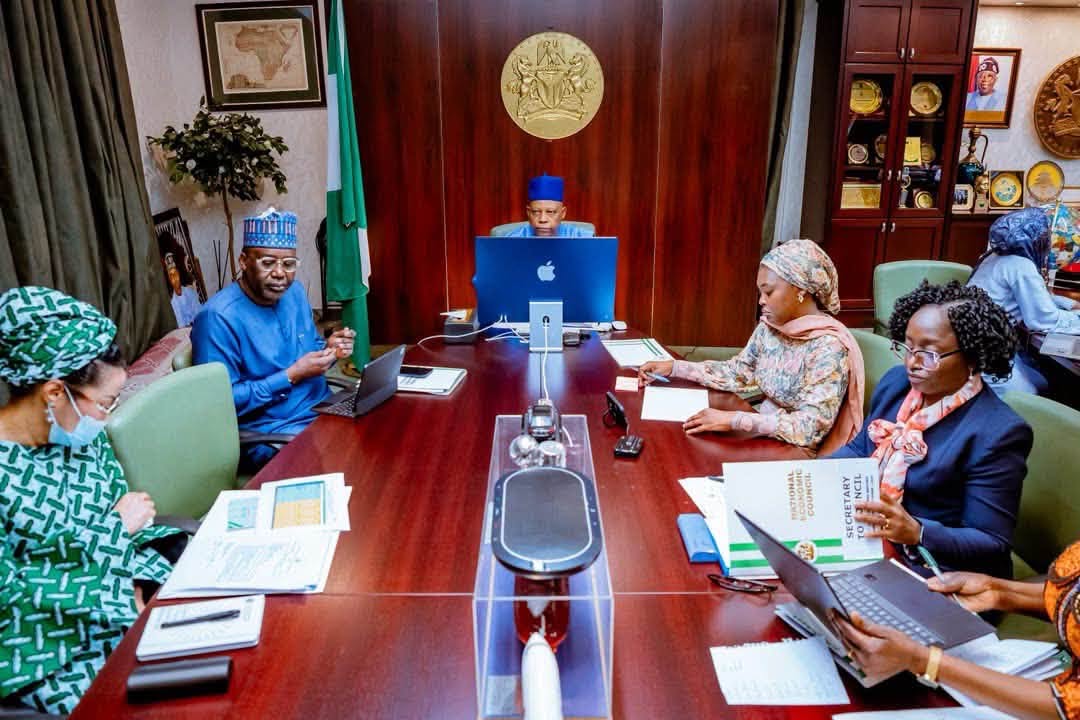
The National Economic Council (NEC), chaired by Vice President Kashim Shettima, has endorsed a 90-day economic action plan to ease the cost of living, improve food affordability and accelerate projects capable of delivering immediate benefits to Nigerians.
The council also approved a joint federal-state financing framework to expand the deployment of Compressed Natural Gas (CNG) and electric vehicles, directing relevant authorities to ensure that savings from cheaper fuels translate into lower transport fares for commuters.
The decisions came as meat prices in Lagos rose to between N9,000 and N10,000 per kilogramme, up from between N7,000 and N7,500, underscoring the pressure on household feeding costs despite government claims of easing inflation.
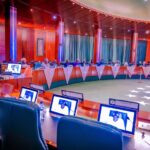
NEC adopted the measures yesterday at its 161st meeting, held virtually, following a presentation by the Minister of Finance and Coordinating Minister of the Economy, Taiwo Oyedele.
The action plan covers five priorities: food affordability, tax harmonisation, completion of high-impact projects, removal of investment bottlenecks and regulated household support.
The council also approved a national dashboard to monitor projects across the federation, including transparent tracking of proceeds from fuel subsidy removal and their utilisation.
Addressing members, Shettima charged governors and relevant institutions to ensure that economic reforms deliver affordable transportation, accessible healthcare, employment opportunities and greater financial security. He said government policies should be assessed by their impact on Nigerians’ daily lives. “The first dividend of prosperity should be the confidence to plan a life. Our task is to make such confidence less dependent on fortune,” he said.
On transportation, the council considered the National Affordable Compressed Natural Gas Transit Programme, presented by the Chairman of the Presidential Initiative on Compressed Natural Gas and Electric Vehicles, Ismaeel Ahmed.
It directed relevant authorities to engage transport unions and operators to ensure that savings from CNG and electric vehicles are passed on to passengers through reduced fares.
NEC also agreed to constitute a committee to coordinate the financing framework, engage stakeholders and develop practical measures for affordable, accessible and sustainable transportation.
“The cost of reaching a livelihood should never consume the livelihood itself. The passenger’s experience must guide our ambition, because the value of public transport resides in the journeys it makes possible. We should assess success through affordability and access, rather than fleet size alone,” Shettima said.
In Lagos, Deputy State Chairman of the Lagos State Butchers Association, Wasiu Akande, attributed rising meat prices to foreign exchange costs, expensive diesel, interstate charges and cattle deaths during transportation.
“Meat is more expensive now. A kilogramme of meat is between N9,000 and N10,000, whereas about four months ago, it was sold for between N7,000 and N7,500,” he told the News Agency of Nigeria (NAN).
Other News
Akande said cattle dealers factored foreign exchange conversion into their selling prices, while transportation expenses and charges incurred along supply routes further increased costs.
“When the dealers want to sell the cows to us, they bring out their calculators to convert their money to naira.”
He identified charges incurred while transporting cattle through states, including Niger, Oyo and Ogun, as additional burdens on the trade.
“Some cattle die during transportation from the North to Lagos, with the losses ultimately reflected in the prices of the other cows that survived.”
Akande appealed for dedicated cargo rail services to transport cattle to Lagos, saying this would reduce the difficulties associated with moving animals over long distances by road. “We want to appeal for our own cargo rail to be able to bring in cows. It will make the cows healthier, reduce their stress, and give them good market value,” he said.
The increase in meat prices comes against a backdrop of widespread child malnutrition. The 2024 Nigeria Demographic and Health Survey found that 40 per cent of children under five were stunted, up from 37 per cent in 2018.
Stunting means a child is too short for their age and indicates chronic undernutrition. The survey also found that eight per cent of children under five were wasted, or too thin for their height, while 27 per cent were underweight.
Meat provides protein, iron and other nutrients. At N10,000 per kilogramme, buying one kilogramme weekly would cost N40,000 over four weeks, leaving a minimum-wage earner with N30,000 for other food, housing, transportation and utilities.
At the NEC meeting, Oyedele identified reducing headline inflation and interest rates to single digits by 2027 as key policy objectives.
He said the next phase of the economic reform programme required stronger coordination between federal and state institutions, targeted interventions and the removal of investment barriers.
Shettima urged governors to bring their knowledge of local conditions into national policy decisions, stressing the need for clearly defined responsibilities.
“Our separate mandates must not become competing excuses. Each Governor carries knowledge that no federal document can supply,” he said.
On livestock development, the council received the report of its ad hoc committee, chaired by Kebbi State Governor Nasir Idris, and resolved to strengthen federal-state collaboration to accelerate reforms.
It noted that all states had expressed interest in supporting the Federal Government’s livestock initiatives and acknowledged the sector’s potential to create jobs and improve livelihoods.