Follow Us on Google
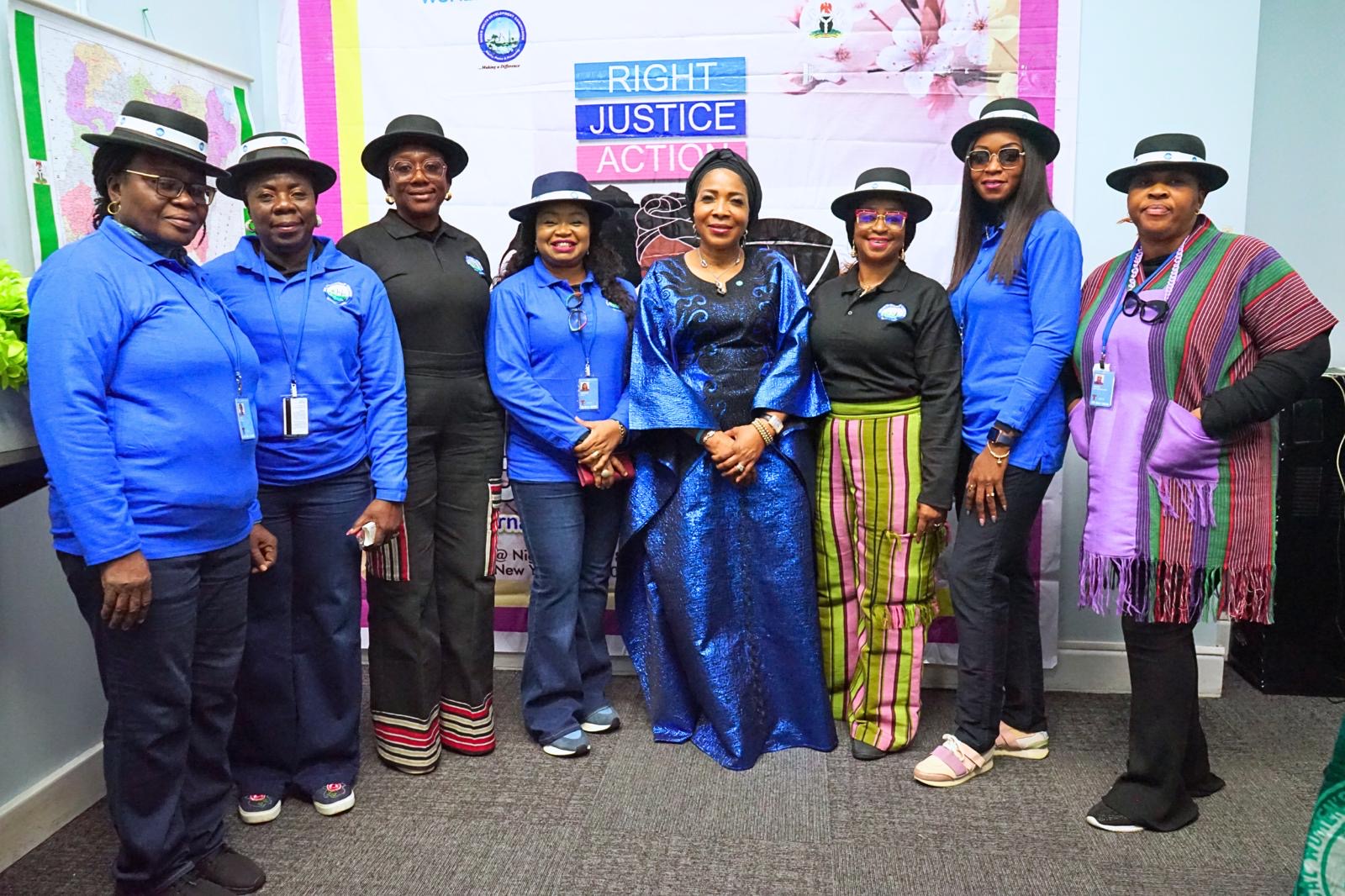
• as Ogbuku receives gender inclusion award
From Juliana Taiwo-Obalonye, New York
Making its first appearance at the 70th Session of the United Nations Commission on the Status of Women (CSW70), the Niger Delta Development Commission (NDDC) positioned itself to identify and fill critical gaps in women’s empowerment across Nigeria’s oil-rich region.
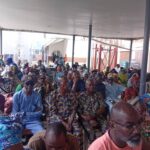
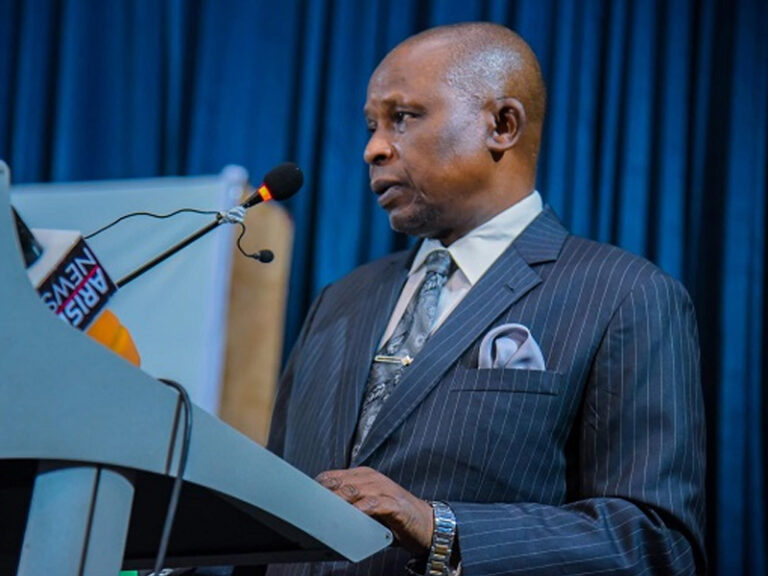
NDDC Director of Culture and Women Affairs, Mrs. Ahunna Imoni, made the disclosure at a side event organised by the Commission, where Managing Director/CEO Chief Samuel Ogbuku, PhD received special recognition for his gender inclusion efforts as the Commission outlined training, funding, and leadership programmes while seeking global partnerships.
Imoni highlighted NDDC’s sponsorship of 12 women directors for CSW70 as proof of commitment. “It may interest you to know that we only knew about this programme two days to the close of registration. We met our MD/CEO – he approved it on the spot. He approved 12 women directors, and he still said 100% be paid. Among those women, seven are women NGOs from the region, and five are female directors of NDDC. This is to present a historic milestone for NDDC. For the first time, we are attending this programme as a commission. It’s our first outing. By next year, we expect women from all the states to be here, sponsored by NDDC.”
Mrs. Imoni used the platform to spotlight unmet needs and NDDC’s targeted responses. “This platform provides an important opportunity for reflection and collaboration as the global community continues to strengthen its commitment to gender equality and empowerment of women and girls,” she said. “We are here to learn. We are here to interact. We are here to network. How can we come in? How can we help as an interventionist agency. We need to intervene where there are gaps. Let us know the gaps there is. Let us see where we can intervene to bridge the gap. That’s part of the reason why we’re here.”
She detailed NDDC’s current interventions to address regional shortfalls. “At the NDDC, our work is guided by the understanding that sustainable development must include women as active partners in shaping economic and social transformation. Women must not simply participate in development processes – they must be active partners,” she stated.
“Under the stewardship of our MD/CEO Chief Samuel Ogbuku, PhD, the Commission has prioritised programmes that expand opportunities for women and strengthen their economic participation. More than 600 women across nine states of the region were trained in fashion design and embroidery and garment production – women receiving starter equipment to start their own businesses. The Commission has also supported agricultural empowerment programs, where over 200 women and youths have been trained in livestock farming and agro-processing. We have introduced programs encouraging women’s participation in technical and industrial skills, including fabrication and welding.”
She emphasised financial and market-access gaps being closed: “The Commission approved release of N5 billion to support entrepreneurship and inclusion programmes across the states of the region to our Chamber of Commerce aimed at strengthening women and youth-led enterprises. Partnerships with financial institutions are also helping women access good interest rates, enabling them to expand businesses, create jobs, and strengthen local economies. Since November last year till now, it’s still ongoing – Chamber of Commerce is giving loans to female entrepreneurs. We are also currently working with Nigeria Export Promotion Council to support women-led businesses accessing regional and international markets. Just in the last three weeks, about 18 women NGOs have received their export licenses.”
Other News
Imoni underscored leadership voids now filled: “For the first time in the history of NDDC, women now occupy key positions – Director of Finance and Accounts, Education, Health and Social Services, Corporate Affairs, Administration, Agriculture. These women sit at the leadership table and decide what happens.”
Chargé d’Affaires for Nigeria’s Permanent Mission to the UN, Ambassador Syndoph Endoni, stressed partnership models. “In the world order today, no one person can do it alone. What we are talking about here is partnership. Partnership is the order of the day – in security, health, sports, anything. When we talk about terrorism, no single country can handle it alone. In education, cross-knowledge makes you more enlightened. We now have some people who have become a little bit greedy – that’s why we are having some of the problems. If we are able to extend to as many people as possible, we will not have as much problems as we have in the region. When you build a woman, you build a community.”
Abia State First Lady Mrs. Priscilla Otti noted local impacts of NDDC. “We also benefit from NDDC Niger Delta Project. In fact, the road in my village was done under the Niger Delta project before this administration. From all Mrs Imoni has told us, particularly the women empowerment – so many women have appointments there.”
Apostle Elizabeth Pedro of Women Helping Women Foundation shared results. “Niger Delta region, Nigeria is rich in oil and gas resources, but many women from that region suffer a lot – poverty, environmental degradation. In 2023, we were in Delta State, 220 women were trained on different skills and positions and they were empowered to start up their businesses. As I speak now, 80% of those women are financially independent. In 2024 in Ghana, 95 women were trained with different skills acquisition, and they were giving money to start up businesses. When a woman is economically empowered, she drives growth. Empower a woman, you empower a nation. Access to justice is crucial for protecting women’s rights – providing legal aid and support to women who experience violence, discrimination, and exploitation.”
Dr. Timiebi Koripamo-Agary, former Permanent Secretary of Labour and Productivity and Information and Culture said: “For the first time in over 25 years, women lead key directorates in NDDC – Finance, Education, Health, Corporate Affairs – deciding policy at the table. This is historic progress for sustainable development.”
CISLAC’s Awwal Musa Rafsanjani: “Sustainable opportunities mean gender equality as integral to development. Access to justice, equality for the vulnerable is key – what is good for the men must be good for the women.” He commended the Commission for embracing the SDGs mandate of not leaving no woman behind.”
Newark Tax Commissioner Olamide Davis Talabi assured that her organisation: “Sister City Relationships is an open doors to investment, skills exchange, and markets opportunities. Newark and Niger Delta can partner on women’s enterprises, infrastructure, and youth training for mutual growth and resilience.”
Medical Women’s Association of NigeriaDr Zainab Kwaru who was represented noted that: “Women in the Delta face disproportionate health burdens from pollution and poverty – we need targeted medical training, clinics, and advocacy to ensure mothers and children thrive.”
Nigeria Consulate First Lady Mrs. Fatima Jidda: “As diaspora women, we bridge Nigeria and global opportunities – let’s channel remittances, networks, and expertise back to Delta women for leadership, business, and family support.”
Ambassador Nesencia Walker in her business opportunities presentation noted that: “Nigeria’s economic projections suggest that Nigeria has the potential to become one of the top three countries in the economy by 2050. GDP has risen between three to 4% in the past two to three years. International investors liquidating their assets outside of US and Europe into Nigeria. Real estate and infrastructure is the engine – creates jobs, business environments, community development, and long-term wealth. Nigeria has one of the youngest population in the world. More than 60% of Nigerians are under the age of 25.”