Follow Us on Google
From Okey Sampson, Umuahia
Managing Director, Niger Delta Development Commission (NDDC), Dr. Samuel Ogbuku, has tasked Traditional Birth Attendants (TBAs) on the need to work collaboratively with healthcare professionals to reduce maternal and newborn mortality rates in the region.
Dr. Ogbuku gave the task in Aba, Abia State, while addressing participants at a workshop NDDC organised for traditional birth attendants in the state.
Represented by Mrs. Dare Olokor Kwame, the NDDC boss noted that TBAs play an indispensable role as trusted frontline caregivers, particularly in unaccessible communities where they are often the first point of contact for pregnant women.
He assured the participants that the workshop was not organised to condemn their practices, but to strengthen their work.
Ogbuku reminded the TBAs of the need for them to work in clean environments since their work deals with the health and lives of pregnant women and their newborn babies.
“Through this training, TBAs will be equipped with essential knowledge and practical skills to promote safer pregnancy and childbirth, identify danger signs early, and facilitate timely referrals to health facilities”.
He disclosed that the workshop was equally meant to strengthen the capacity of TBAs across the Niger Delta region and improve maternal and newborn health outcomes through safer delivery practices.
Other News
“It will also help to enhance early recognition of pregnancy and childbirth complications and promote timely referral of high risk cases to healthcare facilities”.
Ogbuku charged the participants to be agents and role models and train those working under them.
One of the facilitators at the workshop, Dr. Jude Okpani, said sensitising the TBAs became necessary since most childbirth deliveries take place in rural areas where there are no doctors.
“The outcome of every pregnancy is determined by how prepared the person going into it was, hence the need to educate the TBAs as to be able to give proper advice to intending mothers.
“A lot of childbirth takes place in the rural areas where there are no doctors, and it is the duty of the TBAs to handle and ensure women give safe deliveries in such areas”.
He advised the TBAs against unwholesome practices and urged them to always refer high risk cases to healthcare facilities.
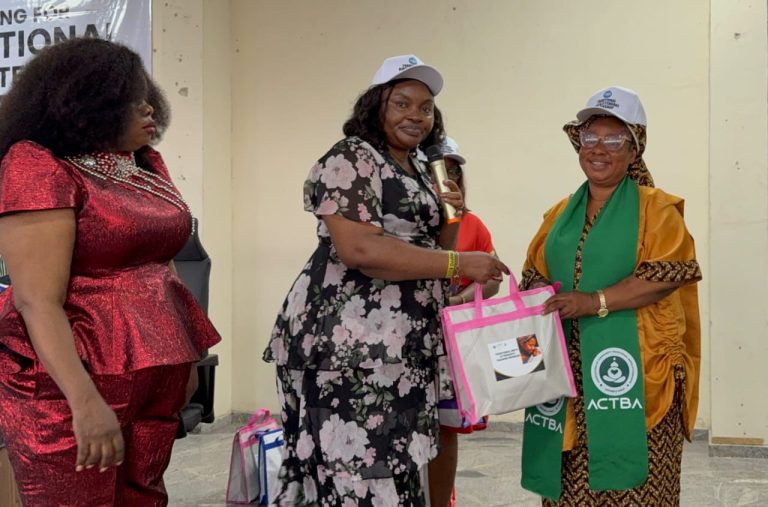
Educational materials to support improved maternal and newborn care in communities and certificates were given to the participants.