Follow Us on Google
By Adewale Sanyaolu
The Nigerian Content Development and Monitoring Board (NCDMB) has successfully built a strong consensus among key oil and gas industry stakeholders to accelerate the in-country production and utilization of line pipes.
According to the Board, this strategic initiative is aimed at deepening local content, reducing reliance on imports, conserving foreign exchange, and creating employment opportunities. By strengthening Nigeria’s domestic manufacturing capacity, the move seeks to position indigenous companies at the forefront of the industry while ensuring a more resilient supply chain for vital infrastructure.
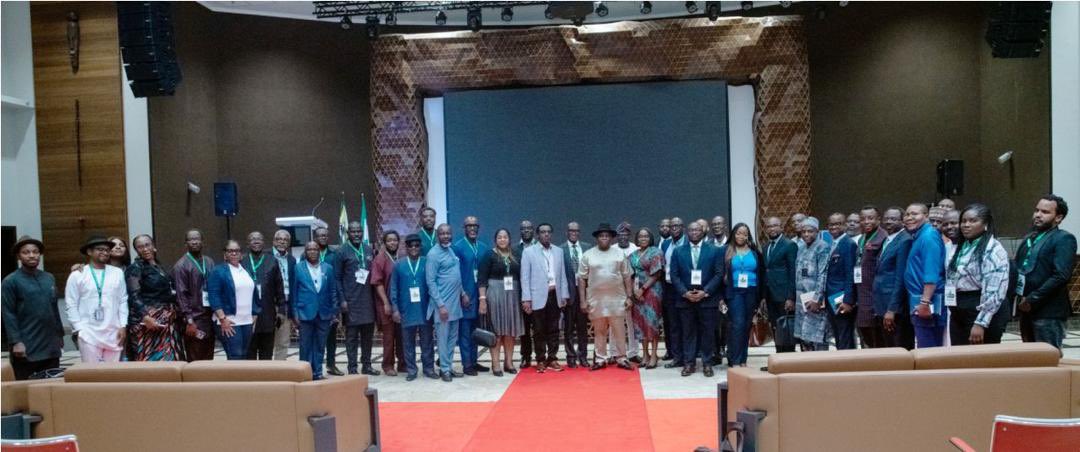
As part of this effort, the Oil Producers Trade Section (OPTS), which represents international oil companies, alongside indigenous operators under the Independent Petroleum Producers Group (IPPG), convened with leading pipe manufacturers, pipe coating firms, and the NNPC Upstream Investment Management Services (NUIMS) at the invitation of the NCDMB. The meeting provided an opportunity to assess progress made since 2011 and chart a path for scaling up local production, reinforcing Nigeria’s drive toward self-sufficiency in oil and gas operations.
In his opening remarks at a recent one-day “Stakeholders Workshop on Manufacturing of Line Pipes in Nigeria: Processes, Challenges, and Opportunities,” which held at the Nigerian Content Tower (NCT), Yenagoa, the Executive Secretary of the NCDMB, Mr. Felix Omatsola Ogbe, described line pipes as “a major driver in oil and gas industry operations,” adding, “without line pipes you cannot evacuate products.”
He said the Nigerian Oil and Gas Industry Content Development (NOGICD) Act, 2010, envisages 100 per cent in-country manufacture of line pipes (seamless and welded pipes) and that the Board, in conjunction with the OPTS, had agreed on an initiative in 2011 to work towards attainment of that target.
The NCDMB boss noted that a lot still has to be done and that status reports of projects on line pipes would have to be presented and discussed at the workshop so as to determine appropriate measures by all stakeholders to intensify efforts to overcome teething problems if any.
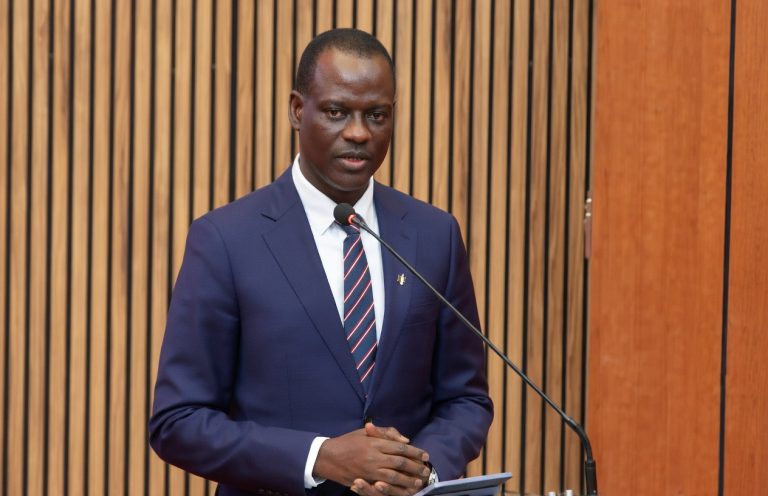
Ogbe, represented by the Director of Monitoring and Evaluation, Alhaji Abdulmalik Halilu, disclosed that in realisation of the potential of in-country manufacture of line pipes for retention of significant revenue and job creation, the Board had introduced different policies and remains determined to work with industry players for meaningful progress.
In setting the tone for the workshop presentations and deliberations, he posed six questions to which he sought answers from the participants: Should we continue to focus on making line pipes in Nigeria? Where are we on the ‘Made in Nigeria’ line pipes projects? Are there still opportunities for Made-in-Nigeria line pipes? What should be the main considerations for ‘Made-in-Nigeria’ line pipes (infrastructure imperatives, investment incentives, etc.)? Who should invest and who are the buyers? What policies would drive the delivery of ‘Made-in-Nigeria’ line pipes?
In his remarks, the Director, Capacity Building, NCDMB, Mr. Ama Ikuru, explained that the Board and the entire oil and gas industry are focused on Made-in-Nigeria line pipes, because it is “the key to Nigeria’s industrial development and a critical requirement of the NOGICD Act, 2010, and the Presidential Executive Order on Local Content.”
He noted that Made-in-Nigeria line pipes are a “reputation driver for the NOGICD Act” and are “central to the attainment of the 70 per cent objective of NCDMB’s [Nigerian Content] 10-Year Strategic Road Map.” In addition, the initiative would reduce costs and eliminate mark-up by middlemen.
Ikuru pointed out that there are major oil discoveries across Africa as well as opportunities in Nigeria and other parts of the continent, supported by the African Continental Free Trade Area (AfCFTA). Line pipe opportunities in Africa highlighted include the Trans-Saharan Gas Pipeline, African Renaissance Pipeline and Transmed Gas Pipeline.
On interventions by the NCDMB toward establishment of pipe mills in the country, he said the Board, among other things, introduced the Equipment Component Manufacturing Initiative (ECMI) and issued guidelines on it, which “birthed issuance of the Nigerian Content Equipment Certificate (NCEC).”
The NCEC scheme of the Board is designed to promote and enforce the utilisation of locally manufactured goods, services, and equipment in the oil and gas industry.
Before presentations by key manufacturers of line pipes, representatives of the leading IOCs and Independents, all industry holders in attendance had to state their individual responses and viewpoints regarding the six posers earlier raised by the NCDMB Executive Secretary.
In unison, the participants declared that Nigeria should continue to focus on making line pipes in-country to meet the target of 100 per cent.