Follow Us on Google
By Chinenye Anuforo
The Nigerian Communications Commission (NCC) on Thursday revealed that Nigeria’s telecommunications industry is under severe threat from constant vandalism, theft, and operational challenges.
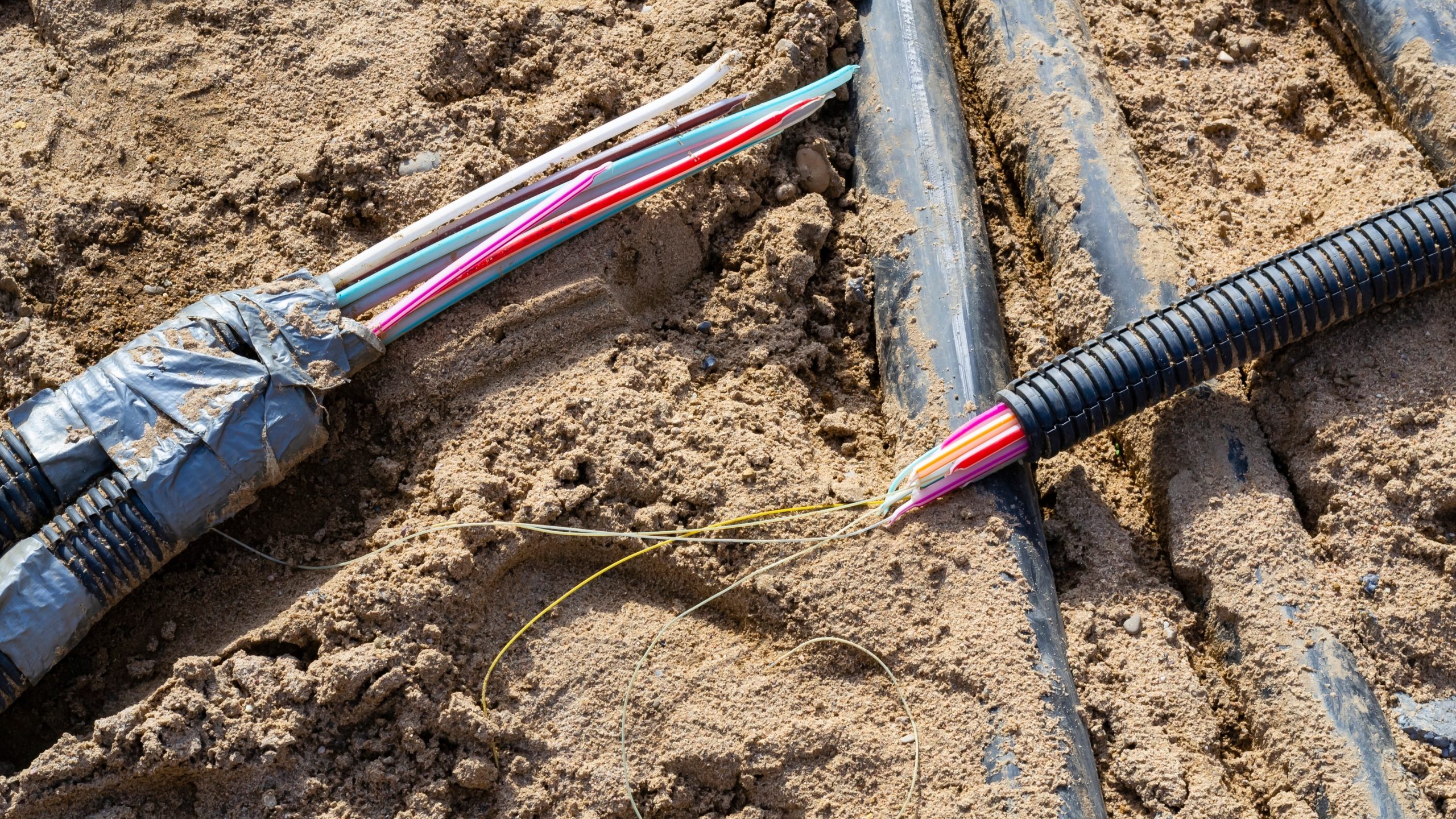
During the CNII & Telecom Sustainability Conference 2025 in Lagos, organised by the Nigeria Information Technology Reporters Association (NITRA) and the Association of Licensed Telecommunications Operators of Nigeria (ALTON), the NCC disclosed an alarming average of 1,100 fibre cuts, 545 access denials, and 99 theft incidents every week in 2025.
Speaking on behalf of the Executive Vice Chairman, Dr Aminu Maida, the Director of Technical Standards and Network Integrity, Edoyemi Ogoh, delivered a keynote address that highlighted the critical role of the telecom sector as the foundation of Nigeria’s digital economy. He stressed that the industry, which contributes over 14.4% to Nigeria’s GDP, is facing major hurdles that threaten its sustainability and national security.
Ogoh outlined key challenges, including vandalism, theft, high operational costs, and Right-of-Way (RoW) bottlenecks, as significantly affecting the telecom sector’s growth.
He provided statistics on the frequent incidents of fibre cuts, site access denials, and theft of equipment and diesel, which are the main causes of service downtime. With most base stations relying on diesel for power, the cost of operations remains prohibitively high, impacting financial sustainability. “Multiple taxation and bureaucratic delays across various states continue to hinder the rollout of new fibre infrastructure and the timely construction of new sites,” he said.
Ogoh reiterated that telecommunications infrastructure has been designated as Critical National Information Infrastructure (CNII) under the Cybersecurity Act, placing a shared responsibility on all stakeholders, including the government, operators, and the public. He called for a multi-stakeholder approach to address these challenges through public awareness campaigns, improved collaboration, and stronger enforcement mechanisms. The NCC also emphasised the need for punitive measures against culprits to deter future acts of sabotage, which have significant socio-economic and security implications for the country.
Media and industry leaders also expressed concern about the increasing vandalism and theft of telecom infrastructure.
Other News
The Chairman of ALTON, Gbenga Adebayo, stressed that operators must lead by example. He noted that many sites lack basic protection measures, such as fences and locks, making them easy targets for criminals. He highlighted the growing black market for stolen telecom components, calling on law enforcement to crack down on their sale and distribution.
Adebayo warned that without serious consequences for offenders, the sabotage would persist and worsen.
Other speakers at the event agreed that sustaining Nigeria’s digital economy requires stronger collaboration, enforcement, and investment in public awareness. They warned that the cost of inaction—ranging from service disruptions and lost investor confidence to national security threats—is too high for Nigeria to ignore.
The President of NITRA, Chike Onwuegbuchi, called for the establishment of a dedicated trust fund to support infrastructure protection and security.
He decried the public’s limited understanding of the damage caused by such attacks, stressing that many still view telecom equipment as materials to be stolen and sold, unaware of the impact on their own communities.
Onwuegbuchi revealed that a bill currently before the National Assembly seeks to criminalise telecom vandalism as a serious offence, urging stakeholders to commit to more public education, grassroots engagement, and shared responsibility in safeguarding critical infrastructure.