Follow Us on Google
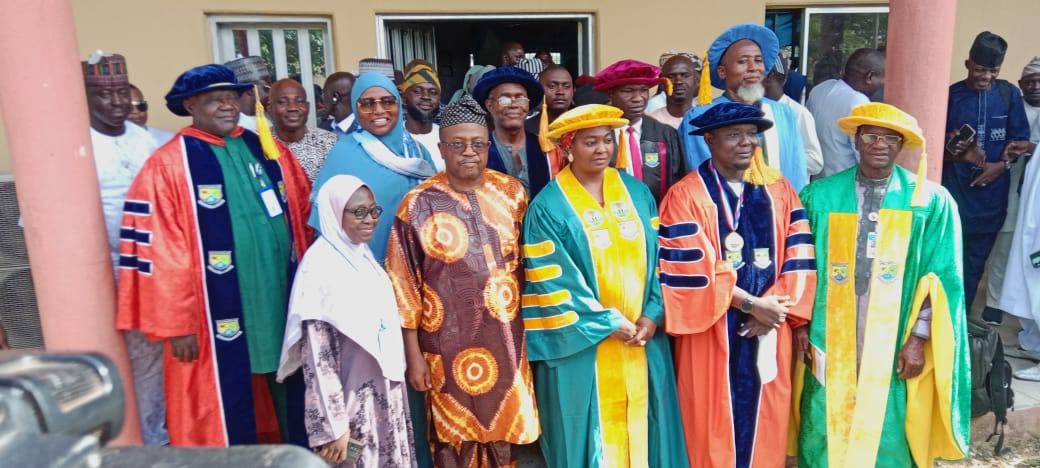
A Professor of Business Administration (Finance and Capital Markets) at the Nasarawa State University, Keffi, Prof Abdul Adamu, has called on governments at all levels and Nigerians to embrace a savings-driven investment culture as a strategy for stimulating economic growth and attracting foreign investors.
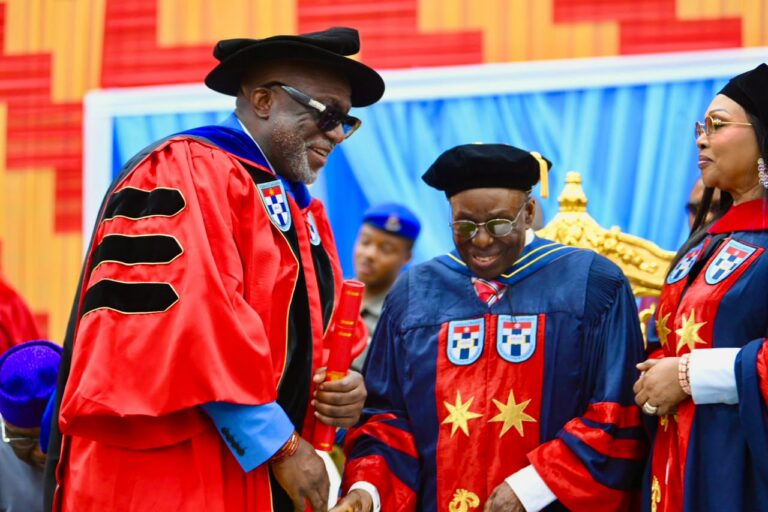
Adamu made the call on Thursday while delivering the 62nd Inaugural Lecture of the university titled “Reimagining Nigeria’s Finance in Flux: The Savings-First Investment Paradigm”.
The professor argued that sustainable economic growth could only be achieved when citizens and governments prioritise savings and channel such funds into productive investments.
According to him, Nigeria’s overreliance on foreign capital has not yielded the desired results, stressing that strengthening domestic savings and investment would naturally attract foreign investors seeking profitable destinations.
“Over time, what we have seen is that we wait until most of these things happen before we devise policies to tackle them. In some of our studies, we found out that foreign investment causes manufacturing firms to grow,” he said.
“However, at the macro level, we discovered that it is the growth of our economy that attracts foreign investors. That means they pursue where they can get the highest return.
“So, this lecture seeks to demystify the notion that we should continue calling for foreign investments first. Rather, we should save and invest in our economy. Once the economy grows, foreign investors will naturally come.”
Drawing lessons from the 2009 global financial crisis and subsequent economic shocks experienced by Nigeria, Adamu described the nation’s financial system as one characterised by persistent volatility and uncertainty.
He urged policymakers to adopt a deliberate savings-first model capable of mobilising local capital for national development.
“Nigeria must move away from opportunism and towards a financial model built on savings, structure and purpose. The next decade must be defined by intention, precision and the deliberate mobilisation of Nigeria’s greatest and underutilised asset – the saving potential of its people,” he stated.
The professor also stressed the need for stronger measures to protect citizens’ savings, warning that insecurity in the financial system could discourage the culture of saving.
“When people save, and criminals exploit digital platforms to steal their money, confidence in the system is destroyed. Government must provide a secure environment where savings and investments are protected. Once there is trust and security, people will save,” he said.
Adamu further identified poor infrastructure as a major obstacle to the growth of Small and Medium Enterprises (SMEs), calling for deliberate government action to address the challenge.
“Strategic innovation is one of the factors that drive SME growth, but innovation cannot thrive without infrastructure. Government must deliberately invest in infrastructure to unlock the creative and productive potential of entrepreneurs,” he added.
In her welcome address, the Vice-Chancellor of NSUK, Prof Sa’adatu Hassan Liman, represented by the Deputy Vice-Chancellor (Administration), Prof Halima Kutigi, described the lecture as a timely intervention in Nigeria’s economic discourse.
She noted that the theme addressed pressing realities such as volatile exchange rates, inflation, capital inflows and outflows, as well as inadequate long-term investments.
“The concept of a savings-first investment paradigm challenges the culture of spend now, save later. It encourages individuals and institutions to save first, then spend and invest wisely,” she said.
Kutigi assured that the university community would critically examine the ideas presented in the lecture with a view to translating them into practical solutions.
“I urge members of the university community to cultivate the habit of saving and be inspired by this lecture. Industry players and government representatives should also identify practical recommendations they can implement immediately. If this lecture changes one policy, one product or one personal habit, then we have succeeded,” she added.
Earlier, the Dean of the Faculty of Administration, Prof Abdullahi Zubairu, commended the inaugural lecturer for choosing a topic he described as relevant to the nation’s current economic realities.
Zubairu recalled that Adamu joined NSUK as a member of the National Youth Service Corps in 2006 and had since distinguished himself through dedication and academic excellence.
He also encouraged students of the institution to remain committed to their studies and personal development in order to contribute meaningfully to national growth in the future.
The inaugural lecture attracted top management staff of the university, government officials, traditional rulers, academics, students, family members, friends and other well-wishers.