Follow Us on Google
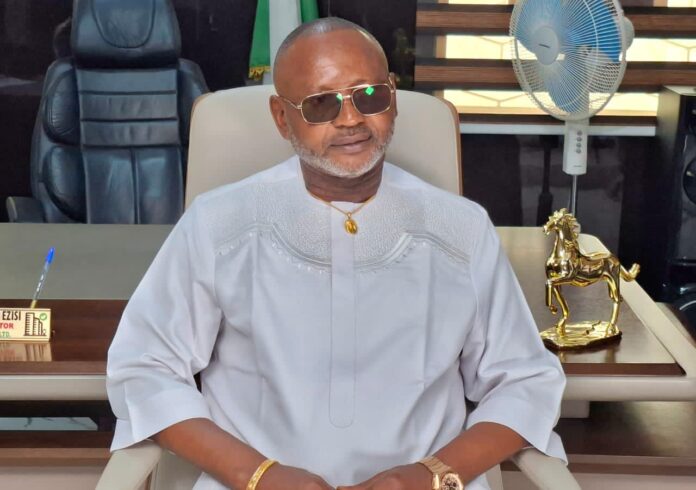
The National President of the National Association of Government Approved Freight Forwarders (NAGAFF), Chief Tochukwu Emmanuel Ezisi, has urged governments at all levels to harmonise policies governing Special Economic Zones (SEZs), warning that inconsistent regulations are holding back investment and slowing the growth of Nigeria’s blue economy.
Ezisi made the call at the 2026 Annual Conference of the Maritime Correspondents’ Organisation of Nigeria in Port Harcourt, Rivers State. The conference was themed, “Special Economic Zones as Catalysts to Sustainable Blue Economy.”
Represented by NAGAFF Secretary General, Godfrey Nwosu, the association’s president said Nigeria must create a stable and predictable policy environment to unlock the full potential of SEZs, attract local and foreign investment, improve trade competitiveness and strengthen the country’s maritime sector.
He described Special Economic Zones as powerful tools for economic transformation, saying they can drive industrialisation, improve port efficiency and generate thousands of jobs if backed by the right government policies.
“Special Economic Zones are more than just industrial clusters; they are strategic instruments for national transformation. I firmly believe that SEZs are the gateways to Nigeria’s maritime prosperity,” Ezisi said.
According to him, properly developed SEZs would reduce logistics bottlenecks, attract foreign direct investment into ports and coastal infrastructure, create employment opportunities for Nigerian youths and encourage innovation in shipbuilding, logistics, marine technology and related industries.
Despite the opportunities, Ezisi cautioned that Nigeria’s ambition of building a vibrant blue economy could be derailed if longstanding challenges within the maritime sector are not addressed.
He identified policy inconsistency, poor infrastructure, maritime insecurity, environmental degradation and weak collaboration among government agencies, private investors and host communities as major obstacles limiting the success of Special Economic Zones.
To overcome these challenges, the NAGAFF president called for coordinated policies across the federal, state and local governments to eliminate regulatory conflicts and create confidence for investors.
He also advocated increased investment in transport, port and energy infrastructure through public-private partnerships, noting that modern infrastructure remains critical to the success of industrial and maritime hubs.
On security, Ezisi urged the government to strengthen maritime surveillance through the deployment of smart technologies, improved naval patrols and enhanced regional cooperation to safeguard Nigeria’s coastal assets and shipping routes.
He further emphasised the need to embed environmental sustainability into the development of Special Economic Zones by promoting renewable energy, efficient waste management systems and environmentally friendly technologies.
Ezisi also stressed the importance of investing in human capital, urging greater training and skills development in logistics, marine sciences, digital trade and other specialised fields required to support a modern maritime economy.
He called for stronger collaboration among government institutions, investors, academic institutions and host communities, saying such partnerships would ensure that SEZs deliver broad-based and sustainable economic benefits.
According to him, the blue economy should not only focus on economic growth but also on protecting marine ecosystems and ensuring that Nigeria’s vast coastal and maritime resources are managed responsibly for future generations.
“The future of Nigeria’s maritime industry depends on our collective resolve. If we harness SEZs effectively, we can transform our coastline into hubs of prosperity, innovation and sustainability,” Ezisi said.
He maintained that with consistent policies, improved infrastructure, enhanced security and stronger stakeholder collaboration, Special Economic Zones could become key drivers of Nigeria’s industrialisation agenda while positioning the country’s maritime sector as a major contributor to sustainable economic growth.