Follow Us on Google

From Fred Ezeh, Abuja
The National Automotive Design and Development Council (NADDC) has proposed its transformation into a commission with expanded regulatory and enforcement powers as part of a comprehensive legislative overhaul aimed at addressing policy instability, strengthening local manufacturing and attracting long-term investments into Nigeria’s automotive industry.
The council said the proposed National Automotive Industry Bill 2026 would repeal the existing NADDC Act of 2024 and establish the National Automotive Development Commission, with a stronger legal mandate to regulate the sector, enforce industry standards and ensure consistency in the implementation of government policies.
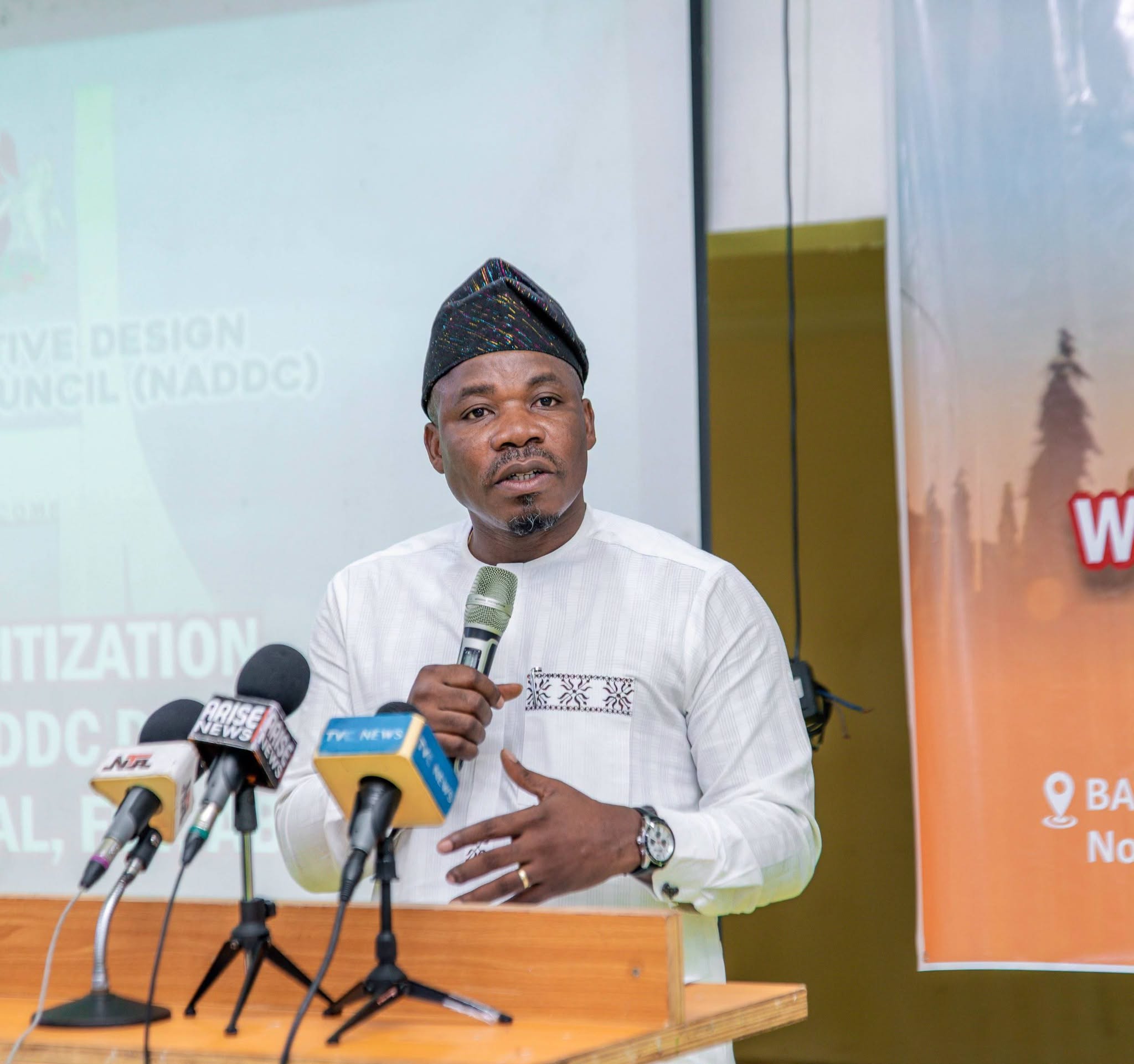
Director-General of NADDC, Oluwemimo Osanipin, disclosed this at a stakeholders’ engagement on the draft legislation in Abuja, where representatives of government ministries, departments and agencies, alongside other industry stakeholders, examined provisions of the proposed bill and their implications for automotive development.
Osanipin said the proposed legislation had become necessary because persistent policy inconsistencies, enforcement bottlenecks and gaps in the existing legal framework had continued to discourage investments in the capital-intensive automotive industry.
He explained that automobile manufacturing required substantial financial commitments, technological investments and long-term planning, stressing that investors needed assurances of policy stability and a predictable regulatory environment before committing resources to the sector.
According to him, the rapid transformation of the global automotive industry, particularly the emergence of electric vehicles, compressed natural gas-powered vehicles and other green technologies, alongside changing regional trade dynamics, had made a stronger and more responsive legal framework imperative.
The NADDC boss said the proposed commission would have enhanced regulatory oversight and enforcement powers to streamline the administration of the automotive industry and strengthen the implementation of policies designed to promote domestic vehicle production.
He explained that the legislation would also provide statutory safeguards for policy incentives and implementation structures under the National Automotive Industry Development Plan, thereby offering investors greater confidence in the continuity of government policies.
Osanipin noted that the development plan, built around seven pillars, was designed to stimulate industrial growth, encourage investment and improve Nigeria’s automotive manufacturing capacity, but required stronger legislative backing to achieve its objectives.
“We need to give teeth to those policies so that they can be effective,” he said.
He stressed that the proposed legislation was not merely intended to change the council’s designation but to establish an institution with the legal authority and operational capacity to address longstanding challenges in the sector.
Osanipin also called for closer collaboration among relevant government agencies to harmonise operations, strengthen standards enforcement, ensure environmental compliance, improve vehicle safety and address smuggling and other practices undermining local automobile production.
Other News
He identified the Standards Organisation of Nigeria (SON), Nigeria Customs Service (NCS), Federal Road Safety Corps (FRSC), and agencies responsible for environmental protection and compressed natural gas development as critical partners in implementing the proposed legislation.
According to him, effective automotive industry regulation requires coordinated action across several government institutions because industrial development intersects with fiscal policy, trade administration, environmental protection, financial regulation and public safety.
“Industrial development intersects directly with fiscal strategy, trade facilitation, customs administration, environmental protection, financial regulation, standards enforcement and legal governance,” he said.
The director-general urged participating ministries, departments and agencies to critically examine the draft bill and identify provisions that might conflict with their statutory responsibilities or create regulatory overlaps.
He explained that such contributions would help establish a coordinated, whole-of-government approach to automotive development, while ensuring that the proposed commission complemented rather than duplicated the functions of existing regulatory institutions.
Osanipin further disclosed that the council had earlier engaged private sector operators in Lagos to obtain their views, criticisms and recommendations on the proposed legislation.
He said the submissions from industry operators had been collated and incorporated into the working draft, adding that the engagement with public sector institutions was intended to ensure that the final document reflected their statutory mandates and operational responsibilities.
The NADDC boss maintained that the proposed legislation would also promote local value addition through backward integration, increased utilisation of domestic raw materials, local component manufacturing and the creation of sustainable employment opportunities for Nigerian youths.
He said strengthening the domestic automotive value chain would reduce dependence on imported components, improve industrial capacity and create opportunities for Nigerian businesses to participate more actively in vehicle manufacturing and related industries.
Osanipin explained that the proposed legal framework would position Nigeria to take advantage of emerging opportunities in electric mobility, alternative energy vehicles and regional trade under the African Continental Free Trade Area (AfCFTA).
He urged stakeholders to make constructive contributions to the draft legislation, stressing that their observations and recommendations would inform the final document before its transmission to the National Assembly.
According to him, a comprehensive and enforceable automotive industry law would provide the institutional foundation required to attract investment, improve competitiveness, strengthen local manufacturing and support Nigeria’s broader industrialisation objectives.