Follow Us on Google
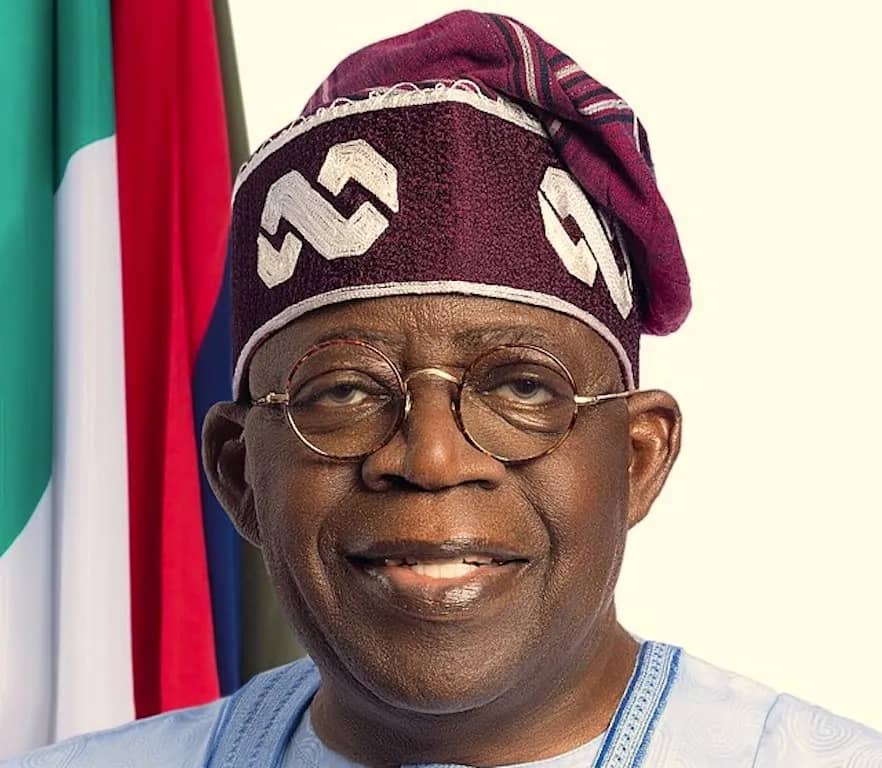
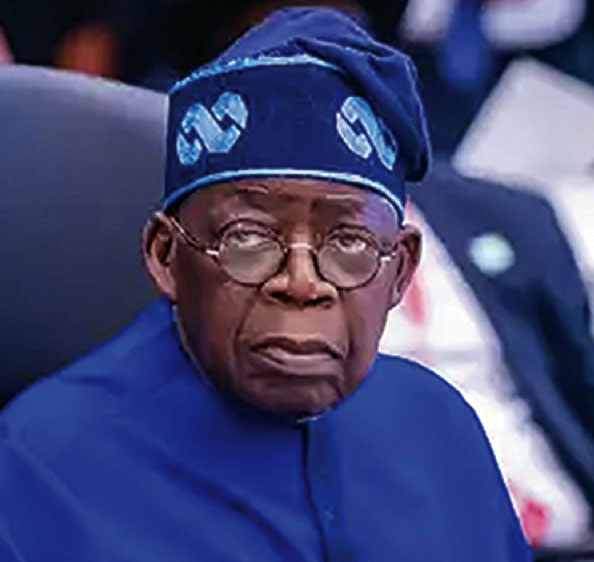
President Bola Tinubu deserves commendation for establishing the Presidential Task Force on Ebola Virus Disease and the approval of N10 billion as emergency intervention fund. This came on the heels of the widespread Ebola outbreak that has ravaged Democratic Republic of Congo (DRC) and Uganda.
The intervention fund will reportedly strengthen the operational preparedness of the Nigeria Centre for Disease Control and Prevention (NCDC) as well as support critical national public health emergency response activities.
According to the Special Adviser to the President on Information and Strategy, Bayo Onanuga, the Presidential Task Force would be chaired by the Chief of Staff to the President, Femi Gbajabiamila. Other members of the committee are drawn from relevant ministries, departments and agencies (MDAs) and state representatives.
This particular strain of Ebola, called the Bundibugyo species, is rare and harder to treat as it has no vaccine or drugs. It is one of the four types of orthoebolaviruses that cause Ebola disease in people. It was first identified in Uganda in 2007. This 17th outbreak hit the DRC about five months after it announced the end of its 16th Ebola outbreak in the Bulape region. Ebola virus was first identified in 1976.
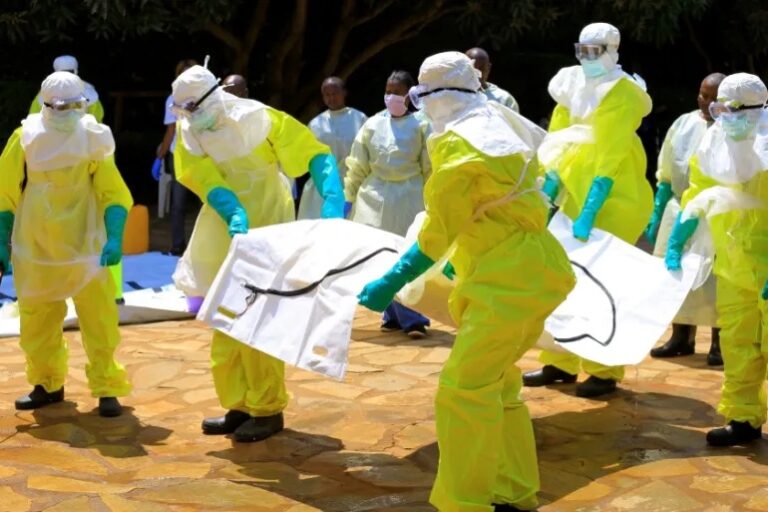
It infects animals, particularly fruit bats, and is transmitted to humans through eating or handling of infected animals. Contact with infected bodily fluids such as semen, blood, saliva, or vomit helps to spread it just like unsafe food practices such as eating raw or undercooked food. Symptoms appear within two to 21 days. They include fever, flu, headache, tiredness, vomiting and diarrhoea.
As of June 13, 2026, there were 782 confirmed cases, and 178 confirmed deaths in DRC. In Uganda, there were 19 confirmed cases, two deaths, one probable case and one probable death as of June 14.
The World Health Organisation (WHO) has since declared it a public health emergency of international concern. The organisation has dedicated $3.9 million to fight the outbreak of the disease.
The NCDC had assured that Nigeria had the capacity to tackle the disease and that it was actively maintaining nationwide surveillance and emergency preparedness measures such as monitoring points of entry into the country and optimisation of diagnostic capacity at designated facilities. It also issues public health updates. There are no confirmed cases of the disease in Nigeria though.
Other News
Onanuga said Tinubu directed the “intensification of passenger screening at all international airports, including enhanced temperature checks and crowd-control protocols, and enhanced monitoring of passengers arriving on high-risk airline routes, including Air Uganda, RwandAir, Air Tanzania, Air Angola, Kenya Airways and Ethiopian Airlines, all carriers with direct or connecting services from the affected region.” He also directed the disinfection of departure halls, cargo areas, baggage sections and airport facilities as precautionary measures.
Also, President Tinubu reportedly directed all states hosting international airports and international border corridors alongside relevant MDAs to come up with their preparedness plans, funding requirements and intervention needs for coordinated implementation.
We call for vigilance at our airports, sea ports and land borders. There is need for more testing and maintenance of non-pharmaceutical interventions like washing hands constantly, avoiding crowds and keeping social distance in public places, use of sanitisers, isolation of suspected cases, travel restrictions, and all the safety protocols we observed during COVID-19 pandemic. Eating of undercooked food or meat should be avoided.
All states should be on red alert. They should strengthen their disease surveillance systems. We had battled Ebola outbreak before. A Liberian-American diplomat, Patrick Sawyer, brought the disease to Nigeria in July 2014. At First Consultants Medical Centre where he was rushed to, Dr. Ameyo Adadevoh quarantined him and stopped him from leaving the hospital. About a month after, the female doctor died of the disease. About seven other persons died of the disease in Nigeria then. The casualty figure was minimal because health authorities contained the spread of the virus by establishing Emergency Operations Centre as well as conducting intensive contact tracing and enforcing isolation measures.
We should be ready for any possible Ebola importation into the country. Let there be intensive public education on Ebola, causes, symptoms, preventive measures and access to treatment.
Nigeria should also take advantage of the joint Ebola continental preparedness and response plan by the Africa Centres for Disease Control and Prevention (Africa CDC) and WHO to raise $518million to support African countries to prepare and respond to the outbreak.
We hope that Nigeria will increase temperature checks and screening of people, especially at points of entries. There should be isolation and hospitalisation of people who present symptoms of the disease. Non-essential travel to high-risk countries should be avoided. Also to be avoided are contacts with blood, or body fluid of sick people, bats, and non-human primates like monkeys and chimpanzees.