Follow Us on Google
By Rita Okoye
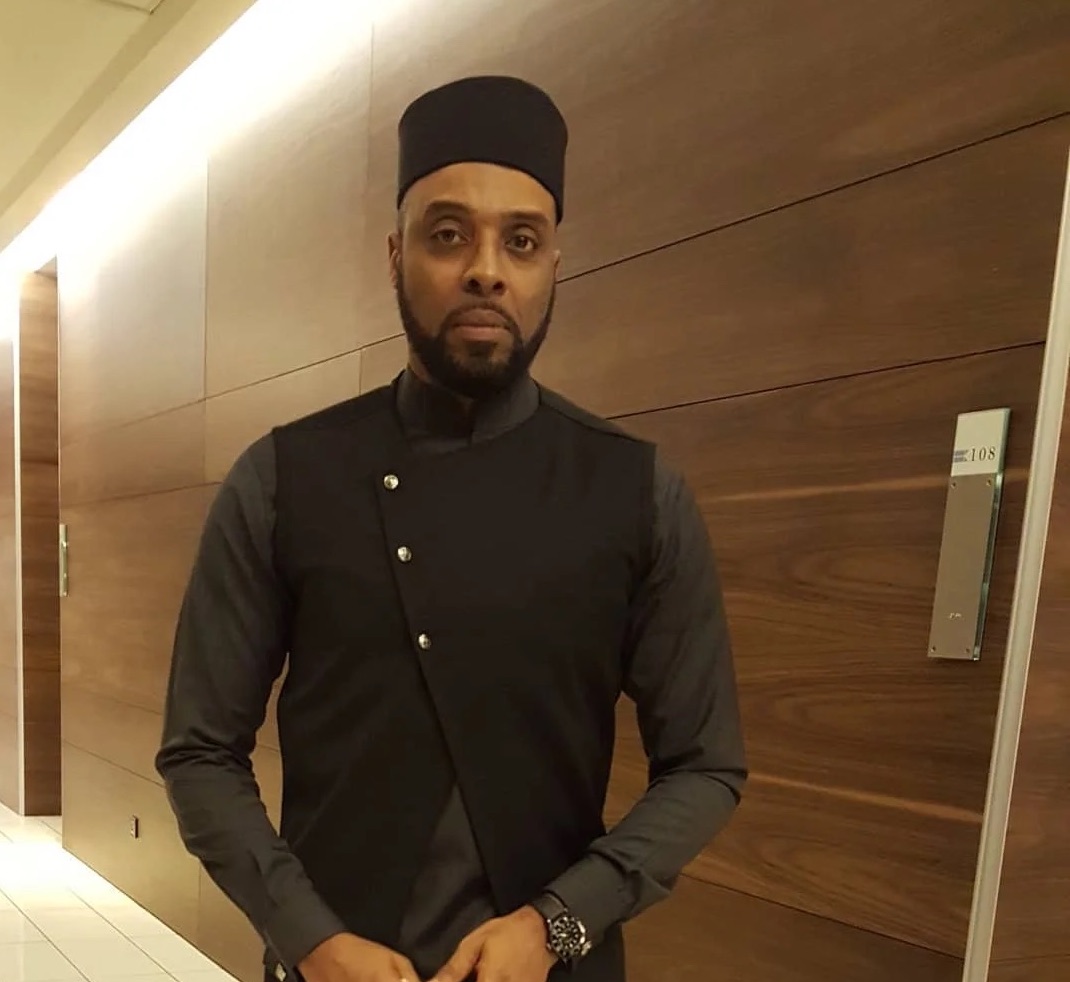
Renowned Nigerian actor Kalu Ikeagwu is one of the few screen veterans who successfully bridged the pioneering era of Nollywood and remains relevant in the new generation of filmmaking. With over 21 years of experience in front of the camera, it became imperative to seek his perspective on the growth and transformation of the industry.
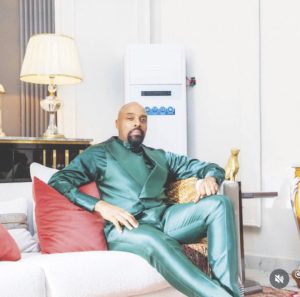
In this interview with Saturday Sun, he speaks on the major challenges he has faced, the principles that guide his choice of roles, and other defining moments of his career.
Lately, there has been a buzz about the movies you have featured in, especially “Cheta’m.” What is that special thing about the movie that gets people talking?
God has really been good to me.
The two projects creating the buzz are the series “Chetam” and “Suspicion.” “Chetam” is a 130-episode series divided into two seasons. Season one has 60 episodes, while season two has 70 episodes, and it should be concluding soon. I was also in Asoebi Diaries. So, it’s been all good.
Despite your British accent, you spoke fluent Anambra Igbo in “Cheta’m.” How did you pull that off?
That was one of the most challenging characters I have ever played in my 21 years in the industry. I played two characters in the “Chetam” series and had to speak both the Anambra and Mbaise dialects in the same project. I am from Abia State. What helped me was that I grew up in Enugu. At that time, Enugu State was still part of Anambra State, and that is where I learned to speak the Anambra dialect.
I also speak my own dialect, Arochukwu (Ihechiowa, Achara). My father banned us from speaking English while growing up. We were not even allowed to speak Central Igbo; only our dialect was permitted at home. So, I could speak Anambra fairly well, but the Mbaise dialect, I had to learn on set. It was like a crash course because we had a language consultant.
Some of your fans say you were fierce in “Chetam,” a character most people have not seen you play before.
Funny enough, the Executive Producer of “Cheta’m,” James Omokwe, is my cousin. When they first called me, I was supposed to play the character Ezeugo, a milder, good-guy role. That was what I auditioned for and got. But when I arrived on set, they said they were considering me for another character, the villain, Jideoffo.
I didn’t want to be a villain. I preferred the nice-guy role I was used to. They told me they believed I was more suited for the villain. The only snag was that I would be on set for three months instead of two. I wanted the two-month role so I could attend to other commitments. But when they explained the arc of the character, it was very interesting, so I agreed.
What they didn’t tell me initially was that the villain would later be possessed by an even more wicked character, Ojigijaga, the chief priest of Mgberi, played by Jay Smile. Midway into the shoot, they suddenly said, “Kalu, this is what is going to happen.” At that point, I had not studied the mannerisms of Ojigijaga. I had to learn them in one day. I ended up playing Jideoffo, Ojigijaga, and a hybrid character, Jidojaga. They were all distinct. I asked that we shoot the Jideoffo scenes first so I could properly prepare for the possessed version.
Did that take you completely out of your comfort zone?
That was the hardest I have worked in years. My colleagues made fun of me because I was always on set with my script, pen, and notebook, writing and studying. One co-actor even said I was reading as if I were preparing for an exam.
It was tough because I had to change my voice, posture, eye movement, and facial expressions. Jideoffo spoke Mbaise, while Jidojaga spoke the Anambra dialect. Everything about them was different. It was very challenging.
Does this reflect how much Nollywood has improved?
Other News
Yes, a lot has grown, especially in writing. The scripts were so well written by Ifeanyi Chidi and his team, Tijani and Uchenna. Their work raised the bar and challenged us as actors. I also credit James Omokwe for creating an environment where all the actors lived together in Lakwe during the shoot. With the bad roads and long distances, everyone focused solely on work. Once you got to the set, you were there till you were done. That level of commitment is reflected in the quality of the series.
You have been in the industry for 21 years. What evolution have you observed?
Production quality and storytelling have improved greatly. We moved from copied plots and love-only themes to authentic African stories. For example, “Suspicion” combines detective investigation with African spirituality. That makes it truly indigenous. Acting has also evolved. Cinema acting is now more subtle and realistic, unlike the exaggerated style of the past. Cameras today capture emotions deeply, so you must feel the role, not overplay it.
Are there areas you still want to see improvement?
Writing remains key. It is the backbone of any production. I also want to see more authentic African values in our stories—family, integrity, and cultural identity—especially in this globalised world.
Many actors have suffered health issues. Some blame the demanding lifestyle on set. What are your thoughts?
Good nutrition, rest, and moderation are essential. Long hours, lack of sleep, excessive alcohol, and poor diet can take a toll, especially on older actors. Regular medical check-ups, health insurance, and discipline are important. Acting is not a 9-to-5 job; sets can run 12 hours or more, so personal health responsibility is crucial.
Is acting as easy as people think?
Not at all. It is physically, mentally, and spiritually demanding. You must research, prepare, and even pray for guidance to interpret roles properly.
Do you see more talent in the older or younger generation?
Talent exists in both. It depends on the individual. I have worked with professionals like Stan Nze, whose discipline and punctuality are inspiring.
Can acting alone pay the bills?
It is becoming harder, especially with the economy and the exit of major streaming platforms. Many actors now have side businesses.
Is there any role you would never play?
Anything illegal or immoral. I fear God and value integrity.
You once said you would act till you are 100?
I say 98 now. I have asked God to remain active and healthy till age and to depart peacefully.
Would you ever give love another chance?
As long as there is life, why not? God is my best friend. Whether I remarry or remain single, I have joy and peace.