Follow Us on Google

From Fred Ezeh, Abuja
Medical experts have predicted that more cholera cases and other water-borne diseases, including fatalities might be recorded in Lagos and other coastal states due to rising cases of flood as rainy season peaks.
Already, Lagos and nine other states, mostly from southern Nigeria, have been witnessing massive outbreak of cholera and other water-borne diseases leading to over 60 deaths according to epidemiology report from the Nigeria Centre for Disease Control (NCDC).
NCDC, fortnightly, release an epidemiology report detailing the situation of various epidemics in Nigeria, but with recent focus on cholera which is on rampage across the country.
NCDC Director General, Jide Idris, a few weeks ago, told newsmen that a dynamic risk assessment was conducted by experts on cholera outbreak situation in Nigeria, and the outcome indicated Nigeria is at ‘high risk’ of increased cholera transmission and impact.
He said: “This demands immediate and coordinated actions, and, therefore, necessitated the recent activation of the National Cholera Multi-Sectoral Emergency Operations Centre (EOC) that underscored the gravity of the situation and the unwavering commitment of the stakeholders to protect the health and well-being of every Nigerian.”
Meanwhile, some medical experts, asked the federal and state governments’ health officials to be aware of the pending public health challenges and brace up for quick and effective response to the imminent upsurge in cholera cases and several other water-borne diseases across some states.
Laz Eze, a public health physician and chief executive officer, TalkHealth9ja, in his submission, said the prediction that cholera cases might rise in the coming weeks is expected considering several factors that support the claim.
He said: “The flooding in Lagos last week is a pointer that the outbreak of cholera epidemic and other water-borne diseases might worsen if necessary steps are not taken to contain the spread. Undoubtedly, the flooding in Lagos might have caused widespread contamination of water bodies, thus exposing the people to the risk of cholera.
“To this end, the government is expected to step up public health messaging on prevention measures, while individuals should also ensure they drink safe water, cook properly and practice hand hygiene regularly. I may not have good knowledge of NCDC responses against the epidemic, but whatever the case maybe, they should strengthen their responses.”
Ken Ozoilo, former president of Medical and Dental Consultants of Nigeria, in his response, said: “Recent flooding has the capacity to worsen the cholera outbreak. Recall that cholera is a water-borne disease and there’s high possibilities of the flood further contaminating water sources for communities.”
Other News
He said in the short term, the government should ramp up campaigns on community education and awareness on prevention and treatment of cholera, further suggesting that programmes for vaccine prevention should be enhanced.
“In the long term, a multi-sectoral approach is needed to address root causes of flooding, improve the supply of safe water and enhance environmental hygiene and sanitation. Sadly, the curative arm of the Nigerian health care system is severely constrained,” he said.
He insisted that Primary Health Care centres which are best placed to address cases of cholera in local and remote communities are underfunded, understaffed, and many are in a state of dilapidation.
“Staff need training on case management of cholera and sundry diseases. Tertiary health care facilities are faring no better, grappling with the effects of the recent downturn in the economy, including, but not limited to, excessive costs of power and energy. Cholera, therefore, typifies the aphorism that prevention is better than cure,” he said.
However, NCDC had said the EOC will serves as the nerve centre for the coordination of response across the country, and will also support affected states to facilitate rapid communication, data analysis, and decision-making processes, mobilise resources, expertise, and support from its, partners, and stakeholders, at all levels of government.
“It will ensure efficient deployment of needed resources, strengthen surveillance and diagnostic capacity and capabilities, enhance case management, training and intensify public awareness and community engagement activities,” it said.
NCDC management, however, sympathised with the families that have lost their loved ones to the outbreak, acknowledging the efforts of all stakeholders, including ministries departments and agencies, state and local governments, local and international partners, healthcare workers, community leaders, and individuals that have worked hard in responding to the outbreak.
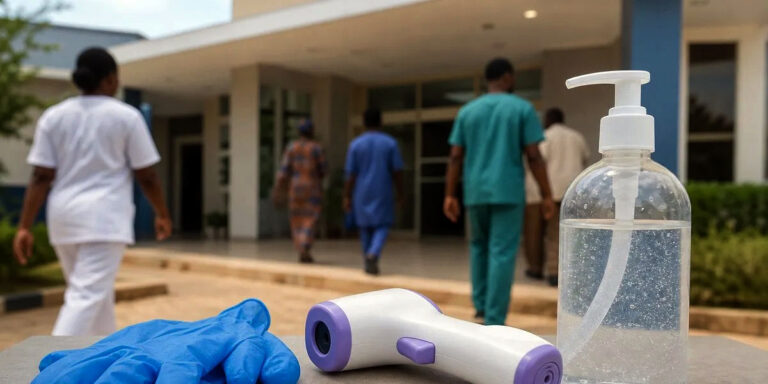
It called on all stakeholders to stem the tide of the outbreak and redouble their efforts to contain the spread and prevent further loss of lives, also reminding health workers of the need to always practice standard safety precaution particularly the practice of wearing gloves while handling patients or providing care to an ill patient/relative, and also intensify surveillance efforts to promptly report suspected cholera cases.
To reduce the risk of cholera, NCDC urged Nigerians to ensure their water is boiled and stored in a clean and covered container before drinking; practice good personal hygiene by washing hands frequently with soap under clean running water. Using of alcohol-based hand sanitizer if soap and clean water are not available.
“Ensure food is well cooked before consumption. Only consume raw food such as fruits and vegetables, after washing them thoroughly with safe water. After cooking food or boiling water, protect against contamination by flies and unsanitary handling; left over foods should be thoroughly reheated before ingestion; persons with diarrhoea should not prepare or serve food or haul water for others.
Also avoid open defecation, indiscriminate refuse dumping, and ensure proper disposal of waste and frequent clearing of sewage and most importantly report any individual that experience sudden watery diarrhoea, and avoid self-education,” NCDC said.