Follow Us on Google

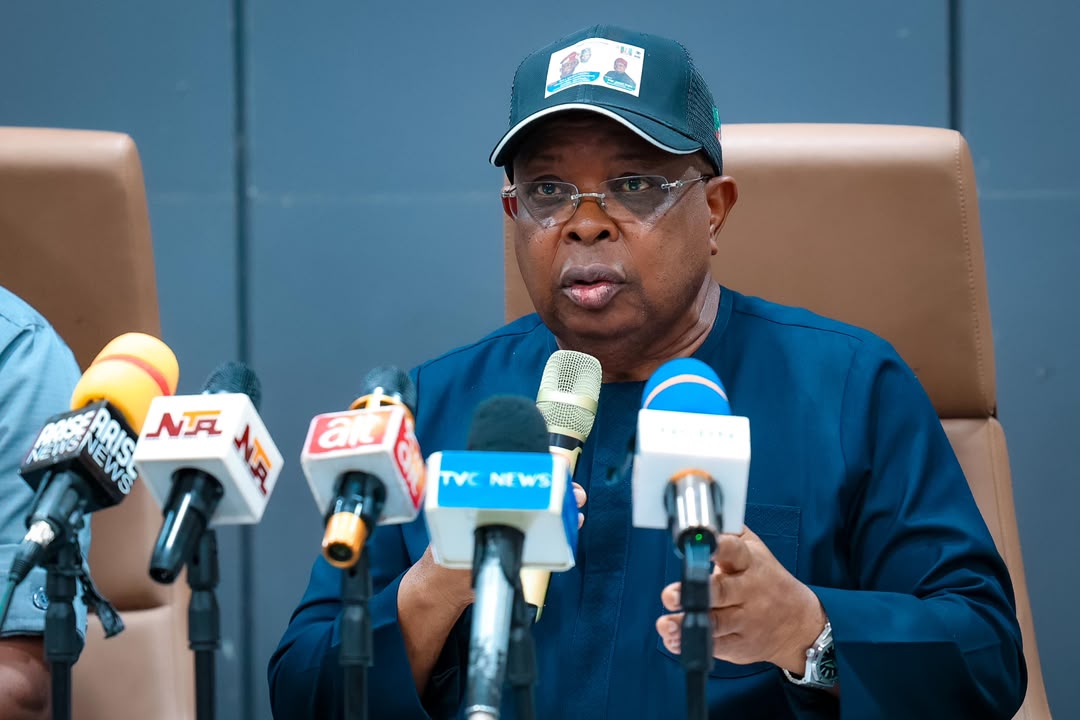
From Isaac Anumihe, Abuja
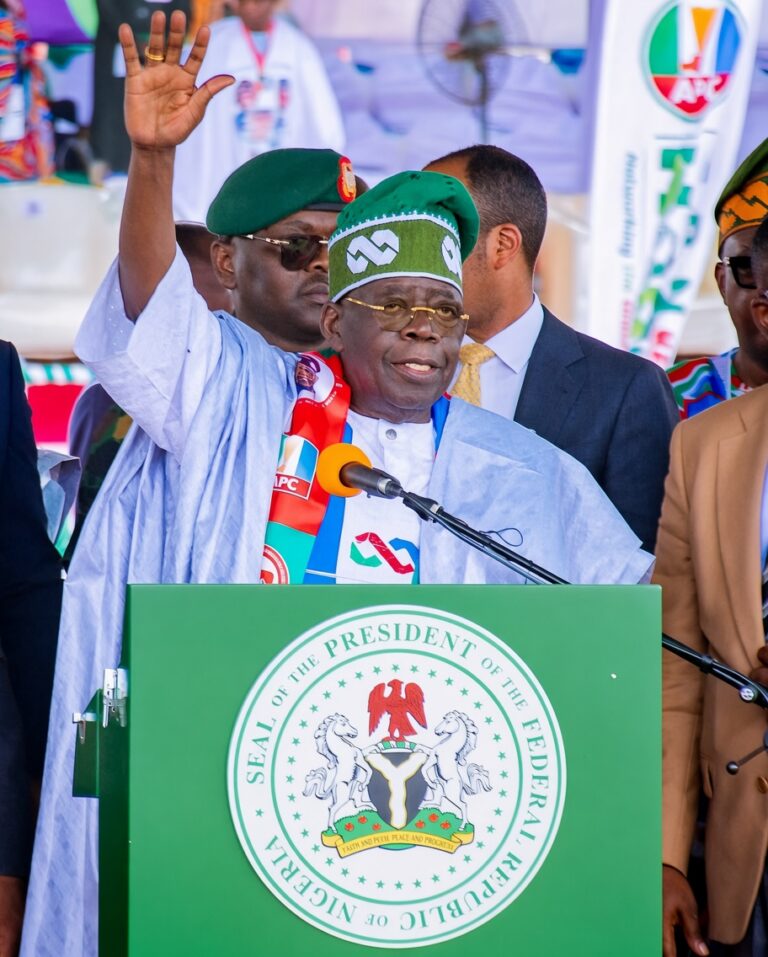
President Bola Tinubu has directed the Minister of Power, Joseph Tegbe, to engage with northern states to ensure their participation and stake in the development of the Mambila Hydropower Project, disclosing also that Chinese companies had expressed interest in supporting its development through potential financing from China Exim Bank in collaboration with Sinohydro.
The Mambila Hydropower Project has the potential to generate approximately 3,000 megawatts of electricity.
This, the minister explained, is part of a broader strategy to deliver stable electricity and support the country’s economic growth.
It is against this backdrop that he promised that Nigerians would begin to experience more stable electricity within the next three to five years.
Tegbe disclosed this today in a television interview, in which he outlined the administration’s long-term vision for transforming the electricity sector through increased generation capacity, expanded transmission infrastructure, renewable energy development and greater private sector participation.
He noted that the scale of infrastructure investment required to address decades of underdevelopment makes a sustained, coordinated approach essential.
According to the minister, the administration is moving beyond the longstanding national conversation around achieving 10,000 megawatts, with several generation projects in the pipeline that could take the country’s capacity towards 20,000 megawatts.
Similarly, the government is advancing plans to develop small hydropower resources across the country, he added, saying that a policy on small hydropower was nearing completion, while 21 dams had been identified along the proposed Sokoto–Badagry Superhighway for potential development.
He noted that the President had given the go-ahead for the development of the identified dams, with engagements already under way with prospective investors.
“These initiatives are expected to broaden Nigeria’s generation options and create opportunities for additional electricity supply to support economic activities across different regions,” Tegbe said.
The minister also highlighted the Electricity Act 2023 as a major enabler of the administration’s long-term electricity expansion strategy, explaining that it has opened the sector to state governments and private investors.
He said the decentralised framework allows states to develop electricity solutions that respond to their specific needs, including mini-grids, gas-fired power plants and independent electricity markets.
Other News
This approach, he explained, will complement the national grid while creating additional opportunities for investment and improving electricity access.
The government also expects private sector participation in transmission and distribution to expand, helping to mobilise the capital and operational expertise required to modernise the sector.
Tegbe emphasised that Nigeria’s future electricity requirements will be driven not only by population growth and industrial expansion but also by emerging technologies and the country’s rapidly evolving digital economy.
He specifically identified artificial intelligence, data infrastructure and the growing number of Nigerians working remotely as developments that will significantly increase electricity demand.
According to him, the country must prepare for this changing energy landscape by expanding generation, strengthening transmission and improving the capacity of distribution companies to deliver electricity efficiently.
He noted that the government’s immediate priority remains stabilising the existing grid and optimising available generation capacity while simultaneously investing in the infrastructure required to meet future demand.
Providing a timeline for the administration’s electricity ambitions, the minister said the combined impact of grid rehabilitation, new transmission infrastructure, generation expansion and private sector investment would progressively improve electricity supply.
He acknowledged that some major power projects require three to five years to develop and deliver, stressing that sustainable improvements cannot be achieved overnight.
“Give me a time horizon of three to five years, and Nigeria will enjoy stable electricity,” he said.
The minister expressed confidence that the government’s infrastructure programme, supported by improved sector co-ordination and increased investment, would place Nigeria on a stronger path towards electricity stability.
He reiterated that the administration’s objective is not simply to increase generation figures but to build an electricity system capable of reliably supporting households, businesses, industrial activities and the country’s long-term development aspirations.