Follow Us on Google
From Charity Nwakaudu, Abuja
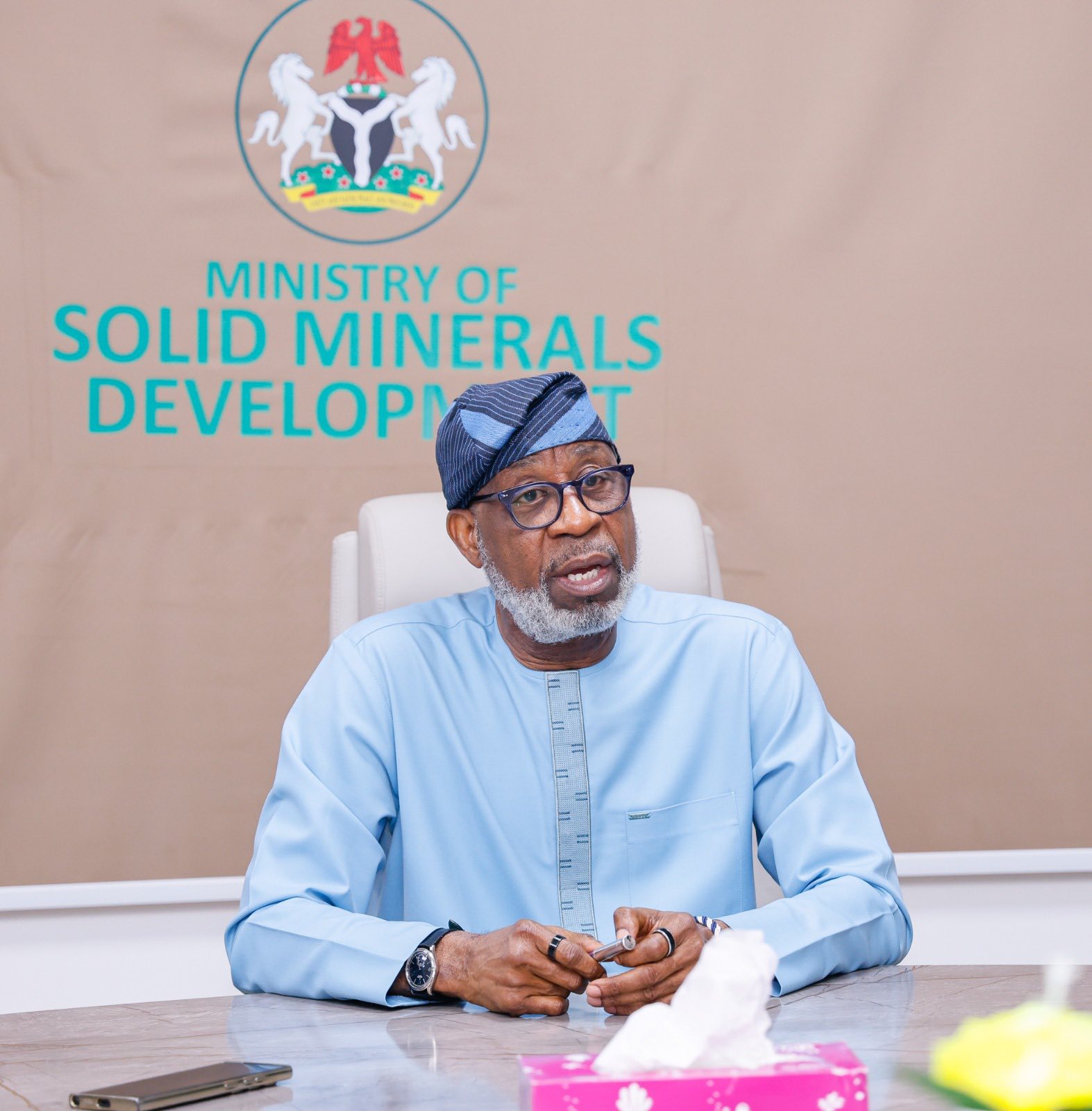
The Minister of Solid Minerals Development, Dr Dele Alake, has declared that Nigeria’s mining sector is undergoing a major transformation, with over $800 million in investments and revenue reaching ₦68.1 billion in 2025.
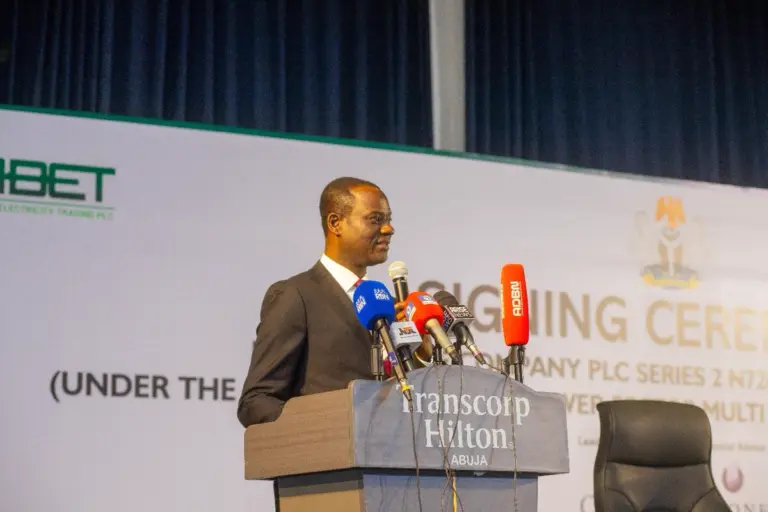
Speaking at the Africa Commodities Conference and Exhibition (ACCE) 2026, the minister—represented by Etido Sylvanus Umoakpan, the Deputy Director of Investment Promotion and Minerals Trade at the Ministry of Solid Minerals Development, Abuja—said Nigeria is moving from raw exports to value-added industrial mining under the Renewed Hope Agenda.
He stated that reforms are being driven by stricter regulation, digital cadastre systems, and mandatory value-addition plans for mining licences, effectively ending the “pit-to-port” model.
Key projects include a $600 million lithium processing plant, a $200 million refinery near Abuja, and a $1 billion iron ore-to-steel project in Kogi State.
He added that 924 dormant licences were revoked to curb speculation and boost output, while royalties surged by over 110 per cent and licensing revenue more than doubled.
Regarding enforcement, he noted that 327 illegal miners were arrested, with convictions subsequently secured.
Other News
Despite challenges in infrastructure, data, and environmental governance, he insisted that the reforms are irreversible, positioning Nigeria as a secure and investable mining destination.
On his part, the Conference Convener, Michael Akueche, said the reform drive would bring thousands of undocumented miners into regulated cooperatives to sanitise the sector and boost productivity.
Investigations revealed that many existing cooperatives remain too small and poorly equipped, with high-cost mining and processing equipment remaining beyond their reach.
To address this, the government is pushing to consolidate cooperatives into large clusters of 2,500 to 5,000 members per local government area—an approach expected to unlock economies of scale, attract investment, and justify state-backed support.
The initiative is projected to create jobs for thousands of youths in mining communities while curbing illegal mining and environmental damage.
Authorities are also proposing the deployment of young professionals—including geologists, mining engineers, and health, safety, and environment experts—to manage the expanded cooperatives and improve operational standards.