Follow Us on Google

From Adetutu Folasade-Koyi and Molly Kilete, Abuja
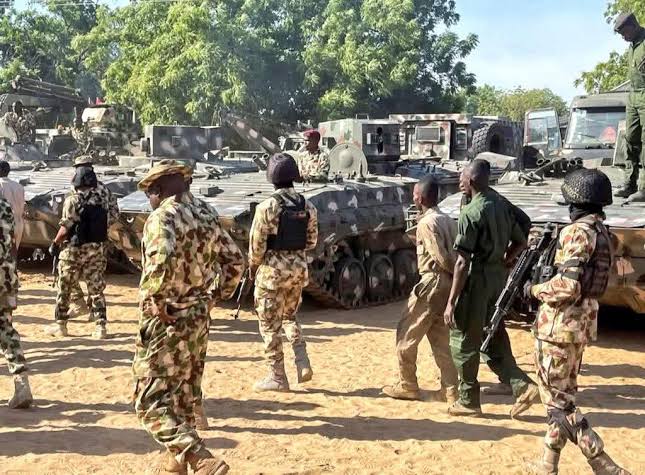
The Federal Government has disclosed that the Armed Forces conducted 14,231 military operations across different theatres and rescued 1,016 kidnapped victims in the first six months of 2026, urging the media to give balanced attention to operational successes and the challenges confronting the country in its fight against insecurity.
The government and the military high command also called for stronger collaboration between security agencies and the media, warning that misinformation, manipulated content and indiscriminate disclosure of sensitive military information could compromise ongoing operations and undermine national security.
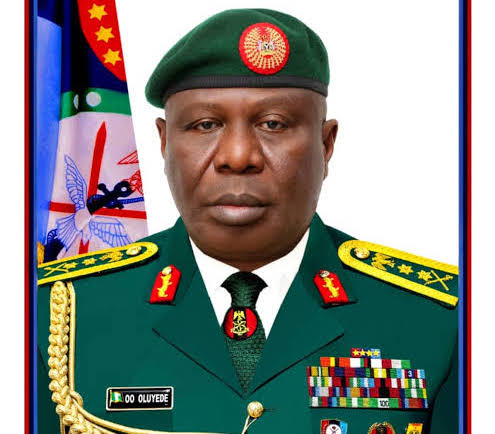
Minister of Information and National Orientation, Mohammed Idris, and Chief of Defence Staff (CDS), General Olufemi Oluyede, spoke on Tuesday at the opening of the Defence Headquarters Strategic Communication Workshop 2026 in Abuja.
Idris, represented by the Director-General of Voice of Nigeria (VON), Jibrin Baba-Ndace, said the operational figures underscored the efforts and sacrifices of military personnel in tackling the security challenges confronting the country, stressing that acknowledging such achievements should not come at the expense of critical journalism.
“Media professionals should not focus exclusively on negative developments while overlooking operational successes and the sacrifices made by those working to protect our country. This does not mean abandoning critical journalism, but ensuring balanced reporting that acknowledges both the challenges and the progress being made,” he said.
The minister warned that inaccurate reporting could generate fear and deepen public distrust, just as delayed communication by security agencies during major incidents could create information gaps exploited by purveyors of misinformation.
“Professional journalists must report without bias and avoid relying solely on unverified social media content. We must develop the capacity to interrogate information, establish facts and provide the necessary context, particularly when reporting defence and security matters,” Idris said.
Oluyede, who described information as a critical component of modern warfare, expressed concern over the circulation of old photographs and videos presented as recent security incidents, warning that Artificial Intelligence (AI) had further complicated the challenge by making fabricated images, videos and audio recordings increasingly difficult to distinguish from authentic content.
He urged journalists to strengthen their verification mechanisms and resist the temptation to sacrifice accuracy for speed and sensationalism, while charging military commanders to provide timely, factual and credible information.
Other News
“Credible, timely reporting helps the public understand why our armed forces conduct certain security operations, strengthening trust and support,” he said.
The CDS also cautioned against compromising operational security in the pursuit of transparency and access to information.
“Indiscriminate disclosure of troop movements, operational locations, capabilities and other sensitive details can endanger personnel and compromise ongoing military operations.
“While I strongly believe in the importance of transparency, access to information and constructive engagement, I also recognise the need to protect sensitive military information,” he said.
Idris, however, insisted that responsible security reporting must not translate into censorship, undermine journalistic independence or shield security institutions from legitimate scrutiny.
“The public has a right to information, and that right must be respected. At the same time, the safety of citizens and the protection of sensitive security operations must be taken into consideration,” the minister said.
Highlighting measures to strengthen the country’s security architecture, Idris recalled the Federal Government’s initiative in October 2026 to develop a comprehensive National Threat Assessment and a rolling five-year strategy for defence and security operations, as well as the launch of the International Media and Information Literacy Institute in collaboration with UNESCO in April 2026 to promote research, capacity-building and international cooperation in tackling misinformation.
Both the minister and the CDS advocated sustained engagement, specialised training and effective communication channels to improve relations between security agencies and the media.
“The military may seek to protect sensitive information, while journalists naturally seek access to information. However, both institutions work for the same country and ultimately serve the same people. They must therefore find common ground and develop a sustainable framework for cooperation,” Idris said.