Follow Us on Google
By Steve Agbota
The lingering war between the United States and Israel against Iran has taken a harsh toll on goods destined for Nigeria and other parts of Africa.
With Iranian forces taking over the Strait of Hormuz, a channel where about 30 per cent of global trade crosses and literally holding many vessels hostage, shipping firms have responded by hiking charges.
The soaring freight charges are also felt in the aviation sector as the spike in aviation kerosene has forced airlines to jack up freight rates.
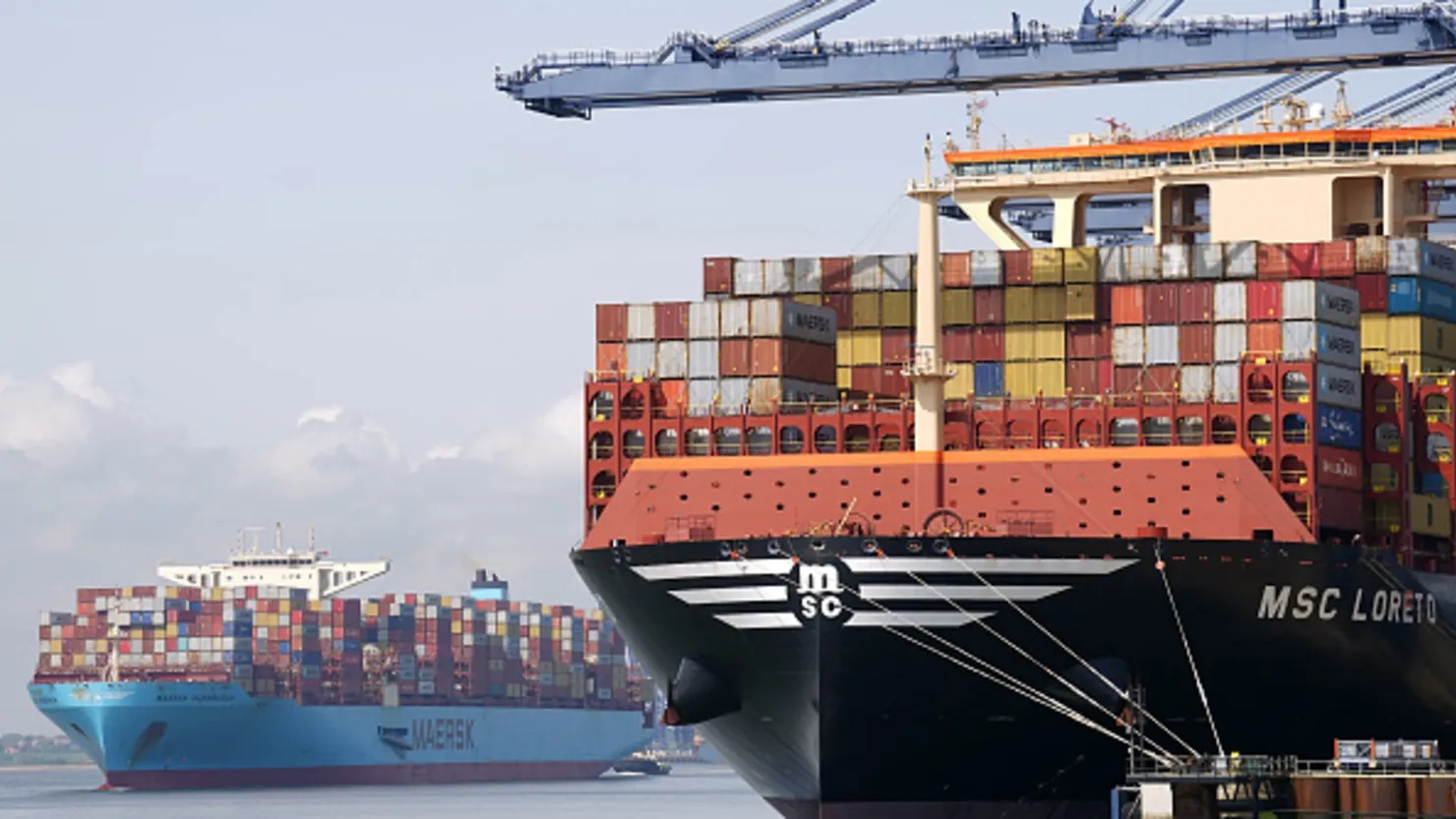
Mediterranean Shipping Company (MSC) last week, told its customers that a $4,000 war surcharge has been slammed on Nigeria-bound cargoes. This automatically impacts on prices of goods to be borne by Nigerian citizens with weak purchasing power, yet peppered by multidimensional poverty.
Other News
With petrol price currently oscillating between N1,250 to N1,550 depending on location, experts say the prices of food, pharmaceuticals and clothes may hit stratospheric heights in days and weeks ahead, if the hostilities do not end.
Also affected are imported fabrics from Asia as the retail prices in the north has skyrocketed, with importers lamenting that their shipments are stranded in the Middle East.
War Risk Surcharge is an additional cost added to sea freight or insurance premiums when a shipment is deemed high-risk due to political instability or conflict in the shipping route or destination.
Before the new MSC surcharge, Nigeria had been paying a significant amount annually. For instance, it was reported that Nigeria pays a minimum of $500 million annually