Follow Us on Google
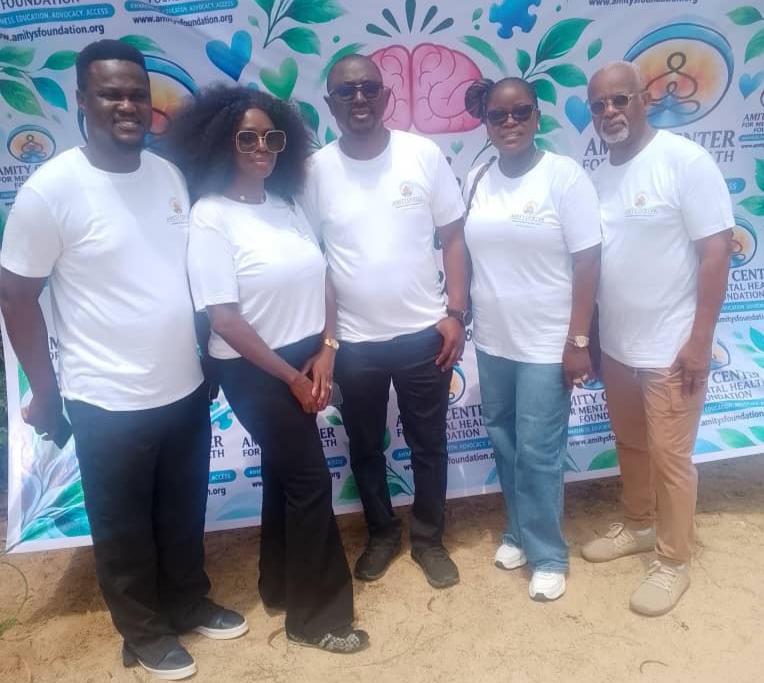
… Amity, Starburg mark World Mental Health Day
By Lucky Ighomuaye, Benin
Mental health experts have urged Nigerians to break the stigma surrounding mental illness and seek professional help when experiencing psychological distress, warning against the tendency to suffer in silence or attribute mental health conditions solely to spiritual causes.
The experts spoke yesterday at a community awareness programme organised by the Amity Centre for Mental Health to commemorate World Mental Health Day at Gracefield Island, Lekki, Lagos.
The programme featured a community walk, vital signs checks and a Pilates session, highlighting the importance of integrating physical wellness into efforts to promote mental health.
Speaking at the event, the centre’s founder, Dr. Oluwafunmilayo Ilori, who practises in New Jersey, United States, said the initiative was designed to raise awareness of mental health conditions, eliminate stigma and connect people experiencing mental health challenges with available support services.
She said the programme was open to members of the community and was intended to encourage greater understanding of mental illness and reassure affected individuals that help was available.
Ilori explained that the inclusion of a Pilates session was deliberate, noting that physical and mental health were interconnected and should not be treated in isolation.
She said improving public awareness was essential to ensuring that people living with mental health conditions received understanding and appropriate support rather than discrimination.
A mental health advocate at the programme also urged Nigerians to speak openly about their struggles and seek help when necessary.
She described mental health challenges as genuine health concerns that should not attract shame, stressing that people experiencing emotional or psychological difficulties should know that they were not alone.
“It is okay not to be okay sometimes in life, and there is help,” she said.
The advocate expressed concern over the inadequate recognition of postpartum depression in some Nigerian communities, calling for greater awareness of the condition and appropriate support for affected women.
She also urged families and employers to prioritise mental well-being, recognise the importance of taking breaks and create environments where people could discuss their mental health without fear of discrimination.
She maintained that access to mental health support should be regarded as a fundamental human right rather than a privilege.
Also speaking, Dr. Komolafe Ayo identified biological, psychological and social factors as important contributors to mental health conditions.
He explained that biological factors could include genetic predisposition, while psychological factors could involve an individual’s thought processes, ability to cope with stress and exposure to traumatic experiences, including conflict and insurgency.
According to him, social circumstances, family relationships and the availability of support systems could also influence an individual’s mental well-being.
Komolafe further expressed concern about the impact of substance use on mental health, urging greater public awareness of its potential consequences.
Other News
He cautioned against attributing mental health conditions exclusively to spiritual causes, explaining that they could arise from a combination of biological, psychological and social factors.
While acknowledging that spirituality could influence how some individuals understood and coped with their experiences, he stressed the importance of recognising the broader factors that contribute to mental health conditions.
He also advised members of the public to pay attention to persistent changes in behaviour, particularly when an individual loses interest in activities previously enjoyed.
He urged families, friends and colleagues to take such changes seriously and encourage affected individuals to seek professional assessment and appropriate care.
World Mental Health Day is observed annually on October 10 to raise awareness of mental health issues and mobilise efforts to support mental well-being.
Similarly, Founder/Executive Director, Starburg Empowerment Foundation, Comrade Gloria Bakare, called for an end to mental health stigma and discrimination, urging stakeholders to amplify the voices of people with lived experiences and improve access to professional support.
Bakera made the call while marking the World Mental Health Day 2026, themed “Lived Experiences Heard: Real Voices, Real Change.”
She stressed that people with lived experiences of mental health challenges must be actively involved in shaping policies, programmes, and services designed to support their well-being.
According to her, stigma, misconceptions, and discrimination continue to prevent many people from speaking openly about their mental health struggles and seeking appropriate care.
She noted that mental health challenges can affect anyone, regardless of age, gender, social status, or economic circumstances, emphasising the need for greater understanding, inclusion, and compassion.
“We must replace prejudice with understanding, rejection with inclusion, and silence with meaningful conversations,” Bakare said.
She reaffirmed Starburg Empowerment Foundation’s commitment to promoting mental health awareness, empowering vulnerable individuals, challenging harmful stereotypes, and encouraging access to professional care.
Bakare also called on government agencies, healthcare providers, educational institutions, religious organisations, families, and civil society groups to strengthen collaboration in promoting mental health education and creating safe environments where people can seek help without fear of discrimination.
She emphasised that mental health support is a shared responsibility, noting that families, friends, and community members can make a difference by listening without judgment, showing empathy, and encouraging those experiencing difficulties to seek appropriate assistance.
“Every voice matters. Every story deserves respect. And every life has value,” she stated.
Bakare urged stakeholders to translate awareness into practical action, stressing that listening to people with lived experiences is essential to building inclusive communities where mental health is prioritised and individuals can seek support with dignity.
She called for sustained advocacy and collective commitment to ensure that mental health challenges are met with understanding rather than stigma, and that no one is excluded from care and support because of their condition.