Follow Us on Google
From Scholastica Hir Makurdi
A Non Governmental Organization, Okaha Women and Children Development Organization (OWACDO), has called on Civil Society Organizations (CSOs) and the Media to champion end to create awareness to end stigmatization and misconceptions around menstruation, menopause and Gender Based Violence (SGBV).
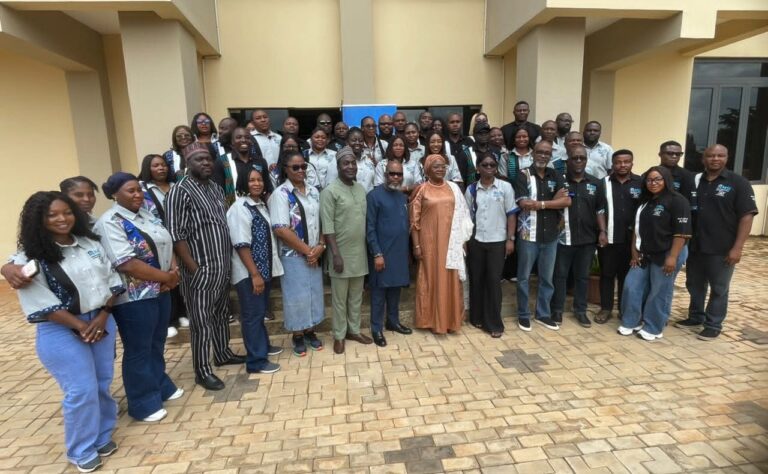
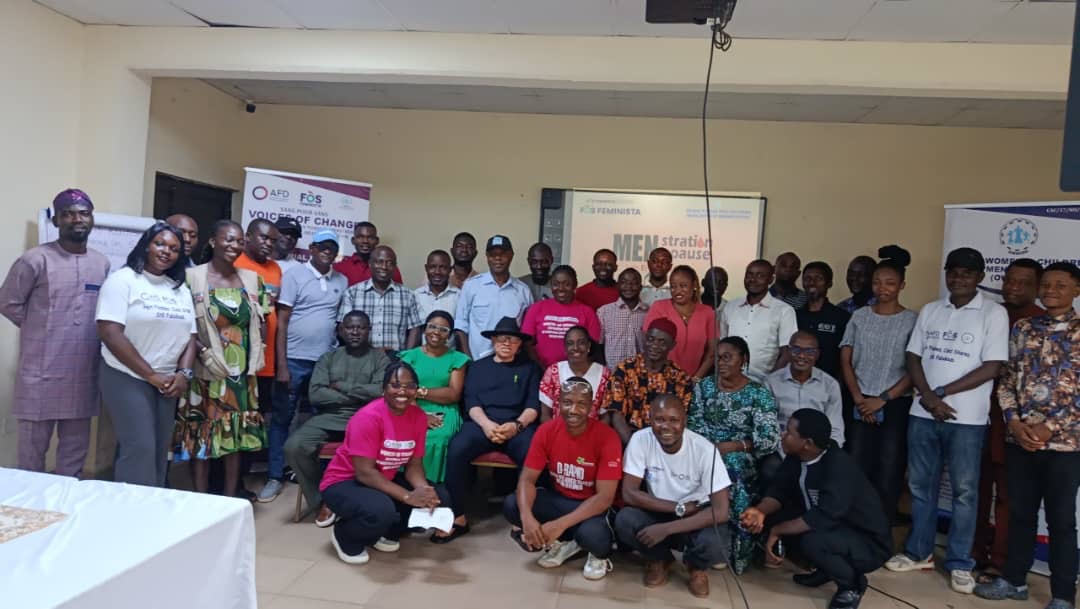
The Executive Director OWACDO, Dr. Joy Ijuwo, while welcoming participants in Makurdi, during a one-day review meeting on Menstrual and Menopausal health for CSOs and Media Engagement in Makurdi and Guma Local Government Areas (LGAs).
Addressing participants, Ijuwo said OWACDO, supported by Agence Franchise De Development (AFD) on the FOS FEMINISTA Project has successfully implemented a project titled “Voices of Change: Empowering Women through Menstrual and Menopausal Health Education” in Makurdi and Guma LGAs, beginning from February 2025, aimed at enhancing the health, dignity.
The project was designed to address wellbeing of women by addressing stigma, misinformation and harmful social norms surrounding menstruation and menopause while promoting the health, dignity and well-being of women aged 35 years and above.
She said during the implementation over 800 women were reached and empowered through structured learning sessions, sensitization and capacity building activities focused on menstrual and and Menopausal health, gender equality and women’s rights.
She described CSOs and media roles as critical in shaping public perception and supporting women and girls saying their commitment to advancing the health, dignity and well-being of women and girls and presence at the meeting reflected leadership, wisdom and dedication to community development.
She emphasized that CSOs and media practitioners often serve as the first point of support for families, women and young people, making their contributions indispensable in promoting positive social values.
According to her, the media and civil society have a unique responsibility to influence how communities think, respond and act on issues relating to menstrual and menopausal health.
Reflecting on previous engagements, Dr. Ijowu observed that menstruation and menopause remain topics shrouded in silence despite being natural life processes experienced by women, lamenting that many women continue to face shame, misinformation and health risks due to inadequate understanding and support systems, stressing the need for sustained awareness and open discussions.
Ijowu also acknowledged the contributions of media practitioners and CSOs in driving advocacy and awareness, expressing optimism that collective action would help build a society where women and girls can live with dignity, confidence and good health, free from stigma and discrimination.
The Monitoring and Evaluation Officer OWACDO project, Mr Benjamin Odo, while presenting their findings in Makurdi and Guma LGAs said knowledge and understanding of menstrual and menopausal health was still low in the communities as only 16.3 per cent of respondents demonstrated a clear understanding of the causes, symptoms and management of menopause, while 83.7 per cent possessed only limited knowledge.
He noted that due to the limited knowledge, instead of seeking medical help, 44.9 percent of menopausal women relied primarily on self-care practices such as rest, herbal remedies, changes in diet, prayers and personal coping mechanisms.
While insisting that women must stop suffering in silence, Odo, lamented the influence of cultural taboos on women’s experiences revealing that harmful cultural beliefs and stereotypes surrounding menopause remain widespread in some communities.
He said “Menopause is not a curse, it is not a crime and it is not a death sentence. It is a natural phase of life that every woman who lives long enough may experience. What women need at this stage is support, care and understanding, not stigma.”
He urged the media to intensify awareness campaigns, particularly in rural communities, where many women remain uninformed about the symptoms and management of menopause.
Some of the participants, Emmanuel Uncle of Swift media, Michael Dagi of Radio Benue, Ezekiel Jenu of Women’s Health and Mr Onah Adeyi representing Persons With Disability (PWDs) commended the organization for the project implementation and pledged to play their roles to further sensitive the people.