Follow Us on Google
By Sunday Ani
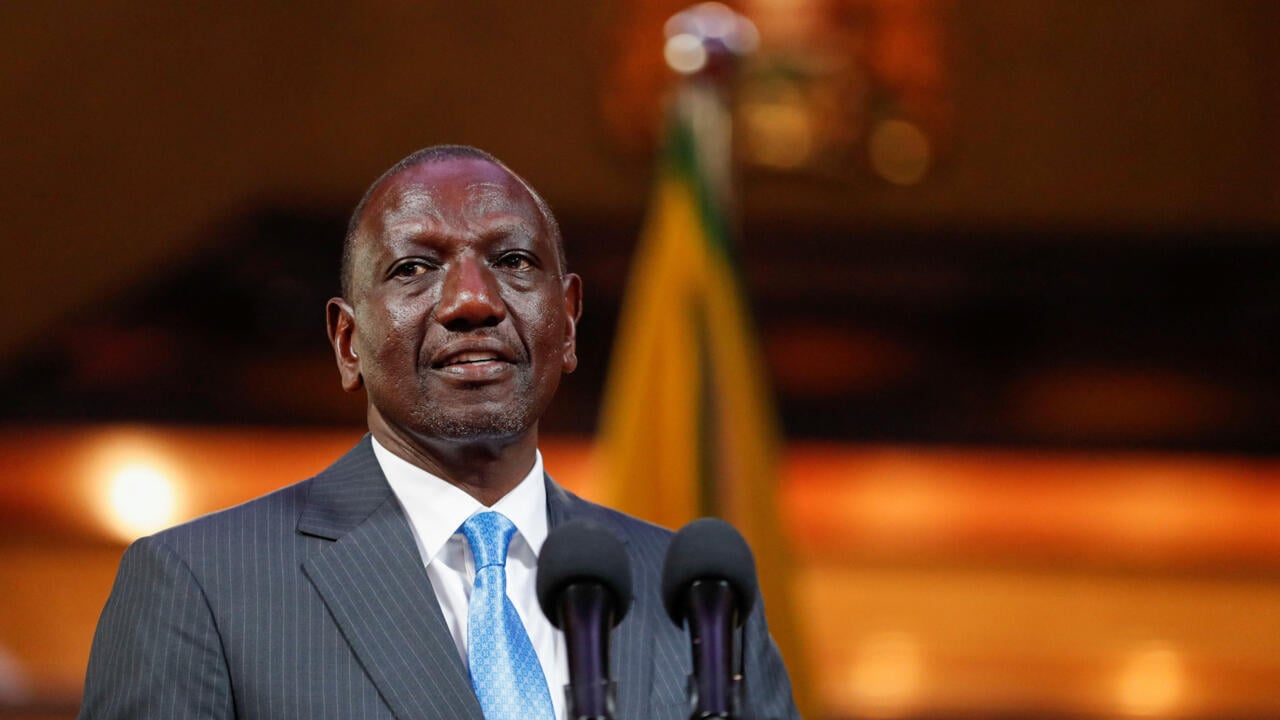
Kenyan President, William Ruto has called for the overhaul of the African Union (AU), noting that the continental body in its current form, lacks the capacity to provide the leadership Africa needs, as it heads into a future marked by rapid demographic growth, complex security threats, geopolitical shifts and economic ambitions.
He made the call during the third edition of the Mashariki Cooperation Conference (MCC), which ended on Sunday in Diani, Kwale County, Kenya.
Hosted by Kenya’s National Intelligence Service (NIS), under Director General Noordin Haji, the five-day gathering, from April 8 to 12, brought together intelligence and security chiefs from across Africa, along with delegates from nearly 100 countries.
The audience deliberated on “Intelligence for Peace,” with a sharp focus on leveraging emerging technologies like artificial intelligence for regional stability and security.
In his closing remarks, President Ruto said: “I can tell you without an iota of doubt that the African Union as it is today is not fit for purpose. It is not fit to provide the leadership that this continent needs going into the future. Therefore, there is a need for the reform of the African Union.
He revealed that his fellow African heads of state had entrusted him with spearheading the reform process, tasking him with reviewing and restructuring the AU’s institutions and organs to make them more efficient, accountable and responsive to contemporary challenges. He specifically urged intelligence leaders present at the conference to play a central role in shaping this new framework, emphasising that security architecture must underpin any meaningful continental progress. His remarks came against the backdrop of the ongoing AU institutional reform discussions, in which he has previously served as Champion.
Earlier in 2025 and February 2026, he had presented progress reports on restructuring of the AU organs, improving the division of labour between the AU, Regional Economic Communities (RECs) and member states, and enhancing peace and security mechanisms.
His latest intervention signals a push to accelerate these efforts amid concerns over the AU’s ability to address issues like coups, terrorism, climate-induced conflicts and the opportunities presented by Africa’s youthful population, projected to make up about a quarter of the global total in coming decades.
The Mashariki Conference has grown into a key platform for intelligence-led dialogue in Africa. This year’s edition featured strategic reflections on harnessing AI for resilient, inclusive and innovative security solutions, lessons from past intelligence failures, including references to the Rwandan genocide and the need for stronger synergy between regional mechanisms and the AU.
Other News
Participants included former Nigerian President Olusegun Obasanjo and senior officials from Eastern African states, underscoring Kenya’s emerging role as a thought leader in continental security cooperation.
Delegates praised the conference’s organisation and its focus on building trust and collaborative frameworks.
Haji and Prime Cabinet Secretary Musalia Mudavadi were instrumental in steering discussions that blended technical intelligence sharing with high-level policy dialogue.
Ruto’s blunt critique has already sparked debate across the continent. Supporters view it as a necessary wake-up call for an AU often criticised for bureaucratic inefficiencies, slow decision-making and limited enforcement power.
Critics may worry about the political sensitivities of reforming a body that symbolises African unity and sovereignty.
By linking AU reform directly to intelligence and security cooperation, the core of the Conference, Ruto appears to be advocating for a more agile, intelligence-informed continental architecture capable of preventive action, rapid response and leveraging technology.
As Africa navigates a turbulent global landscape, President Ruto’s assignment could mark the beginning of a significant push toward an AU 2.0; one better equipped for the demographic dividend, economic integration under the African Continental Free Trade Area (AfCFTA) and collective security.
The full outcomes of Mashariki Conference 3, including recommendations on intelligence partnerships and AI applications, are expected to be shared with relevant AU bodies in the coming months.
Observers will be watching closely to see how Ruto translates this mandate into concrete proposals, especially as the AU prepares for future summits and a potential special session on reforms. For now, the message from Diani is clear, Africa cannot afford to enter the future with institutions designed for yesterday’s challenges.