Follow Us on Google
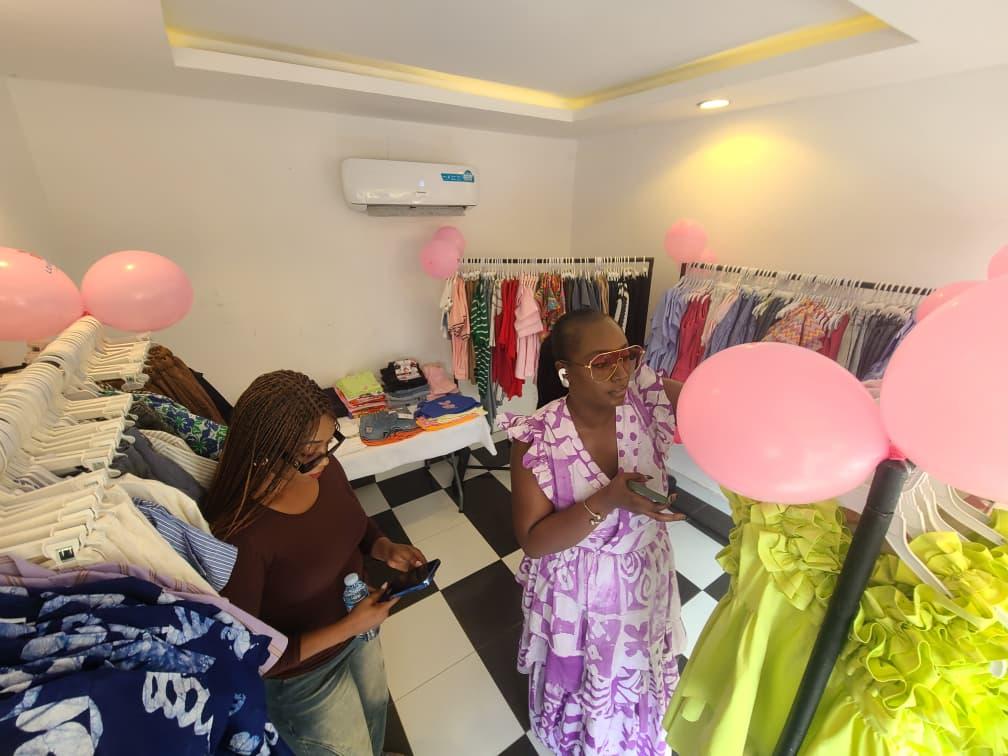
Chief Mom Officer of Lovekids, a children’s fashion brand, Isioma Chukas, has called for stronger government’s support for indigenous manufacturers, insisting that Nigerian-made products could match global standards if given adequate funding, policy backing and consumer confidence.
Speaking on the journey of building the brand, she described entrepreneurship in Nigeria as challenging, citing limited access to finance, multiple taxes and the high cost of maintaining quality production.
She noted that producing children’s clothing that meets international standards requires significant investment in training tailors and staff, while ensuring strict quality control.
“It has not been rosy at all. Producing in Nigeria is difficult. Maintaining quality, meeting Western standards and training workers have been the major challenges. Access to capital has also been very difficult,” she said.
She stressed that despite the hurdles, Lovekids had continued to grow through personal savings and family support. She also revealed that the company has received neither government funding nor bank loans.
She appealed to the Federal Government to simplify access to funding for small businesses and provide tax relief for indigenous manufacturers during their formative years.
“We need funding that is easy to access for small businesses. The government should also collapse the numerous taxes. Businesses should enjoy some level of tax relief, especially within their first 10 years, because growing a business in Nigeria is extremely difficult,” she said.
Beyond financial support, she urged the government’s agencies to champion campaigns promoting locally made products, arguing that Nigerians still underestimate the quality of indigenous brands.
“We need to re-educate Nigerians that ‘Made-in-Nigeria’ does not mean inferior quality. Our fabrics are 100 percent cotton, durable and can even be passed from one child to another. Nigerians should buy Nigerian brands because they are just as good, if not better,” she said.
She stressed that supporting local businesses would reduce dependence on imported goods and strengthen Nigeria’s manufacturing sector.
“I support Nigeria because I believe we can be self-sufficient. We do not need to import everything. We can produce quality products right here in Nigeria,” she added.
On her entrepreneurial journey, she said she founded Lovekids after identifying a gap in the market as a mother searching for quality everyday clothing for children.
She explained that while many fashion brands focused on adults, very few catered to children’s casual and occasion wear.
“I started from my boys’ quarters, not from a big store. I started online and kept reinvesting every income back into the business. Entrepreneurship is not for people looking for overnight success. It is for the long haul,” she said.
She encouraged aspiring entrepreneurs not to be discouraged by the country’s economic realities but to begin with whatever resources that are available.
“Start where you are. Start small. Don’t compare yourself with others because many people’s journeys are undocumented. Just keep growing steadily,” she advised.
Although she acknowledged that securing government grants and bank loans remains difficult even for registered businesses that pay taxes, she expressed confidence in the future of Lovekids.
“My business is God’s business. My family has been my backbone. I believe that as Lovekids continues to prove itself, the support will eventually come,” she said.
Looking ahead, she disclosed plans to establish a physical store in Lagos before expanding to other states and eventually across Africa.
She also addressed concerns over the quality of Nigerian-made products, saying Lovekids was founded specifically to eliminate the disappointment many consumers experience with substandard goods.
“I understand why some people are skeptical about Nigerian products. That is exactly why we pay attention to quality. We want parents to buy our products with confidence, knowing they will get value for their money,” she said.
Expressing optimism about the company’s future, she said Lovekids was built to become a multigenerational brand.
“Our vision is to still be here in the next 150 years. With the right support and capital, Lovekids will continue to serve generations of Nigerian and African children,” she said.
One of the customers, Adenike Oyetunde-Lawal, applauded the quality and consistency of indigenous children’s fashion brands.
She praised the remarkable progress made by Nigerian fashion brands, describing the quality of locally made children’s clothing as impressive and worthy of greater support.
Adenike said the brand’s commitment to producing affordable, made-in-Nigeria garments for children was commendable.
She said: “In the last five to six years, Nigerian brands have done astronomical things in the fashion space. To see a brand dedicate its efforts to producing made-in-Nigeria garments for children is phenomenal. The quality is really good and very impressive.”
She noted that her presence at the event was to support a women-owned Nigerian business that has consistently improved its products.
“I have only just become a customer, but I know people who have been with the brand from the beginning and they have attested to its consistency and growth. Saturdays are very important, but I’m here because this is true support. There’s visible improvement in quality,” she said.
On children’s fashion preferences, she explained that children often reflect the style of their parents and immediate environment, making quality and versatility essential.
“What I notice about styling for kids is that children are like sponges. They reflect the style of their parents, grandparents and those around them. This brand offers fashionable, sustainable and trendy items, giving parents different options to choose from. It also offers value for money,” she added.
She expressed optimism about the future of indigenous children’s fashion brands, urging more Nigerians to support locally made products and women entrepreneurs.
Founder of A.S Management Agency, which manages Lovekids, Rhoda Kusimo-Iloba, commended the brand’s consistency and quality, describing its focus on children’s fashion as refreshing.
“In the last five or six years, Nigerian fashion brands have achieved remarkable progress. Seeing a brand dedicated to producing quality Made-in-Nigeria garments for children is phenomenal. The quality is impressive and that is why I am here to support them,” she said.
She added that the brand offers parents a balance of fashionable, sustainable and trendy clothing for children, while delivering value for money.
Iloba said her agency partnered with Lovekids because of its commitment to promoting indigenous enterprise.
“As a patriotic Nigerian, I believe we should support our own brands. Nigeria is becoming a hub for entrepreneurs returning home to build businesses. Our brands are sustainable, affordable and accessible. Children are often neglected in fashion, so supporting a brand dedicated to them was an easy decision,” she said.