Follow Us on Google

By Damilola Fatunmise
The corporate landscape’s approach to gender equity is undergoing reassessment, as organisations increasingly acknowledge that awareness-based diversity initiatives have not translated into sustained change in leadership outcomes. Persistent gaps in progression and retention have shifted attention toward how leadership systems operate in practice, including how structures, decision-making processes, and accountability mechanisms shape access to advancement over time.
Princess-Anne Emeka-Obiajunwa is a leadership expert with two decades of experience spanning education, nonprofit, public sector, and organisational environments. Her work brings together community-based leadership development, organisational advisory practice, coaching, and academic contribution, with a focus on how leadership systems shape progression, access, and retention. Across these settings, her practice examines how structures, governance arrangements, and informal processes influence gender equity outcomes, and how leadership development is positioned within organisational strategy rather than treated as a standalone diversity initiative.
Within organisational contexts, Emeka-Obiajunwa’s work through SheLeadership includes consulting with organisations on leadership development and gender equity, alongside coaching women navigating leadership roles across corporate, public sector, and professional environments. This work examines how organisational cultures, talent processes, and leadership expectations affect progression and retention, engaging leadership development, governance, and accountability mechanisms as interconnected systems rather than isolated interventions.
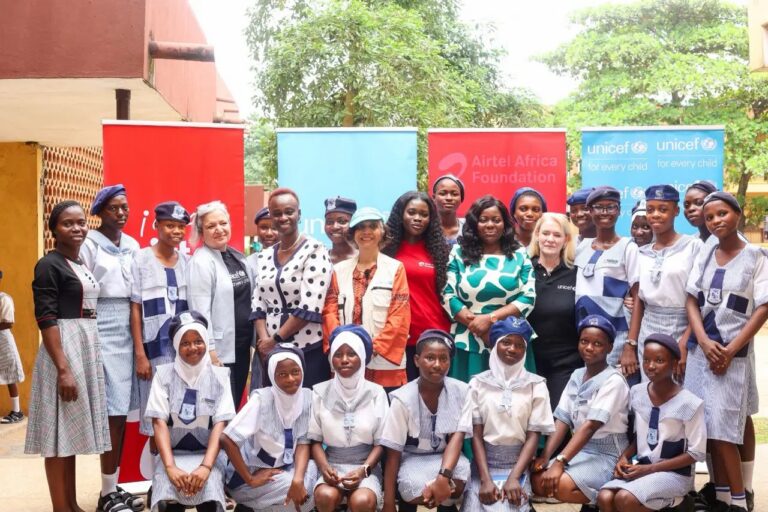
Alongside organisational consulting and coaching, Emeka-Obiajunwa’s leadership practice has remained grounded in large-scale community-based delivery. Through the Birthplace Empowerment Foundation, she has led sustained leadership development initiatives within secondary schools and communities across Nigeria, reaching thousands of young people over multiple years. This work situates leadership development as a process shaped early through participation, responsibility, and access to opportunity, rather than as a capability formed only within professional roles.
Her applied leadership work has been complemented by academic engagement within the human resource development field. A peer-reviewed conference paper co-authored by Emeka-Obiajunwa received the Best Paper Award at the University Forum for Human Resource Development International Conference and was also nominated and shortlisted for the UFHRD Learning and Teaching Award. The research contributes to ongoing discussion on leadership learning and development within contemporary organisational contexts.
Beyond academic research, Emeka-Obiajunwa has contributed to professional discourse on leadership and gender equity through published writing and commentary.
Taken together, Emeka-Obiajunwa’s work reflects a sustained engagement with leadership systems as they operate in practice, contributing to how organisations and communities understand and address gender equity beyond surface-level interventions.