Follow Us on Google
By Maduka Nweke
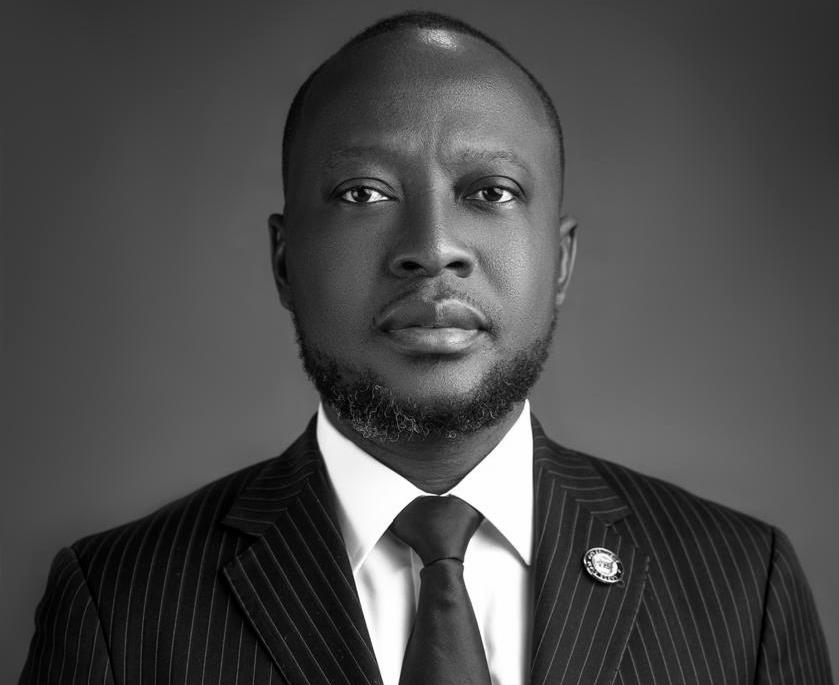
The Managing Director of Lagos Waste Management Authority (LAWMA), Dr. Muyiwa Gbadegesin, has said the company will introduce between 200 and 250 new trucks every year to promote a cleaner Lagos.
Speaking to journalists during a media parley in Ikeja on the company’s efforts to clean Lagos, Dr. Gbadegesin noted that keeping the city clean requires compactor trucks. “Altogether, we need about 2,000 trucks: 1,000 for daily operations and 1,000 as backup,” he said. “This is a long-term investment supported by a state-wide billing system. We will enumerate every household and bill them through the state government. Through automation, residents will receive bills, and once payment is confirmed and the Private Sector Participation (PSP) operators have completed their work, we will pay them.”
Other News
Dr. Gbadegesin added, “Mechanization is a strategic step toward modernizing operations and reducing the physical demands on our sweepers. We don’t have enough bins. Right now, we are rolling out 80,000 smart bins, but we need many more. Lagos has four million households. Residents must pay their bills regularly to enable PSP operators to function effectively. Coupled with training programs, this reflects our commitment to a technology-driven approach prioritizing productivity to achieve a clean environment.” He assured that sweepers would not lose jobs in areas where mechanized programs are introduced and urged motorists to drive carefully and avoid littering.
Fielding questions on waste management strategies, environmental expert Dr. Ambrose Ogaga said LAWMA under Dr. Gbadegesin is on the right track. “Managing waste requires a layered approach, prioritizing the five Rs: Refuse, Reduce, Reuse, Repurpose, and Recycle to prevent waste creation, followed by better management of unavoidable waste through source separation, composting, advanced recycling (waste-to-energy), and smart technologies, while implementing policies like Extended Producer Responsibility (EPR) and banning single-use plastics for systemic change.
“Recycling is key to a circular economy, turning waste into new materials. It reduces waste and minimizes the energy needed to manufacture products, even though only 9 percent of plastic is recycled worldwide. Waste incineration and waste-to-energy processes reduce landfill use while generating energy. The young leadership and new technologies introduced by Dr. Gbadegesin will transform waste management in Lagos, and with support from residents, the impact will be felt across the state,” he said.