Follow Us on Google

By Philip Nwosu
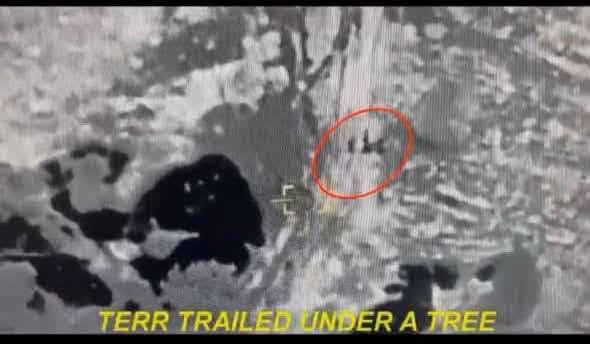
The Nigerian Air Force (NAF) has intensified pressure on the Islamic State West Africa Province (ISWAP) with a precision airstrike targeting the group’s hideout in the Lake Chad region, killing key figures in its security and leadership structures and destroying equipment used for its operations.
The strike, conducted under the Joint Task Force, Operation HADIN KAI (OPHK), forms part of ongoing military efforts to weaken the insurgents’ operational networks and restrict their movements across Nigeria’s North-East.
In a statement on the operation, the NAF spokesman, Commodore Ejodame Ehimein, said preliminary post-strike assessments indicated that several prominent ISWAP fighters had been neutralised, including individuals identified as Jindullah and Abul Kissa.
Jindullah was described as the group’s chief security guard and a confidant of Abu Saleem, while Abul Kissa was identified as a member of ISWAP’s Shura Council.
The Air Force also reported the destruction of boat engines and motorcycles believed to have supported the group’s logistics and movement.
The reported losses could affect ISWAP’s ability to coordinate activities and move personnel and supplies through the Lake Chad area, although the full operational impact of the strike has yet to be independently established.
Beyond the reported casualties, the destruction of logistical assets highlights the military’s focus on disrupting the infrastructure that sustains insurgent operations.
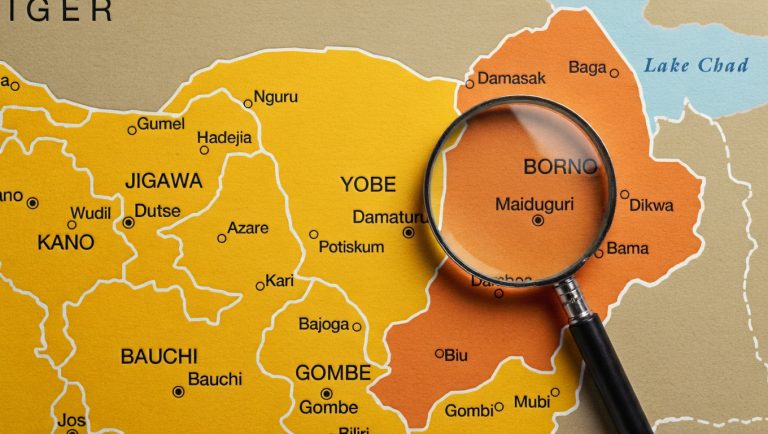
The Lake Chad region presents particular challenges for security forces because of its waterways, difficult terrain and remote settlements. These conditions can complicate surveillance and ground operations while providing armed groups with opportunities to move between locations.
Boat engines and motorcycles can serve important transportation functions in such environments. Their reported destruction could therefore limit some of the group’s mobility, depending on the scale of the losses and its ability to replace the equipment.
The NAF said the operation was intelligence-led and directed at a terrorist hideout identified within the difficult terrain of the Lake Chad region.
The military’s stated objective was to weaken ISWAP’s networks, disrupt its logistics and reduce the threat posed to vulnerable communities.
The reported deaths of Jindullah and Abul Kissa are significant elements of the Air Force’s preliminary assessment because of the positions attributed to them within ISWAP.
Other News
According to the NAF, Jindullah occupied a role in the group’s security structure and was a confidant of Abu Saleem. Abul Kissa was identified as a member of the group’s Shura Council, a leadership body.
If confirmed, the loss of individuals holding such positions could affect aspects of the group’s internal security arrangements and leadership activities.
However, the extent of any disruption would depend on the responsibilities performed by the individuals, the group’s succession arrangements and its capacity to replace personnel.
The identities and positions of those reportedly killed have not been independently verified in the information released about the operation.
The Chief of the Air Staff, Air Marshal Sunday Kelvin Aneke, reaffirmed the NAF’s determination to maintain air operations against terrorist networks.
He said the Air Force would continue collaborating with other military services and security agencies to consolidate operational gains, protect vulnerable communities and support efforts to restore stability in the North-East.
The operation is part of the wider military campaign against insurgent groups operating in the Lake Chad Basin, where Nigeria and neighbouring countries continue to confront cross-border security threats.
The region’s security challenges require coordination among military forces, intelligence agencies and other relevant authorities to address the movement of armed groups and their access to supplies.
While the NAF described the October 19 operation as a success, the longer-term impact will depend on whether the reported losses translate into sustained disruption of ISWAP’s activities.
Military operations can weaken an insurgent group’s personnel and equipment, but maintaining those gains may require continued intelligence gathering, coordinated ground operations and measures to prevent the group from rebuilding its networks.
Protecting communities around Lake Chad will also remain central to efforts to restore stability, particularly in areas exposed to attacks and movement by armed groups.
The Air Force said it would continue working with sister services and other security agencies to sustain pressure on terrorist organisations and support lasting peace in Nigeria’s North-East.
The latest strike adds to the military’s ongoing campaign against ISWAP, with further assessments needed to establish the full extent of the group’s reported losses and the operation’s effect on its capabilities.