Follow Us on Google
By Doris Obinna
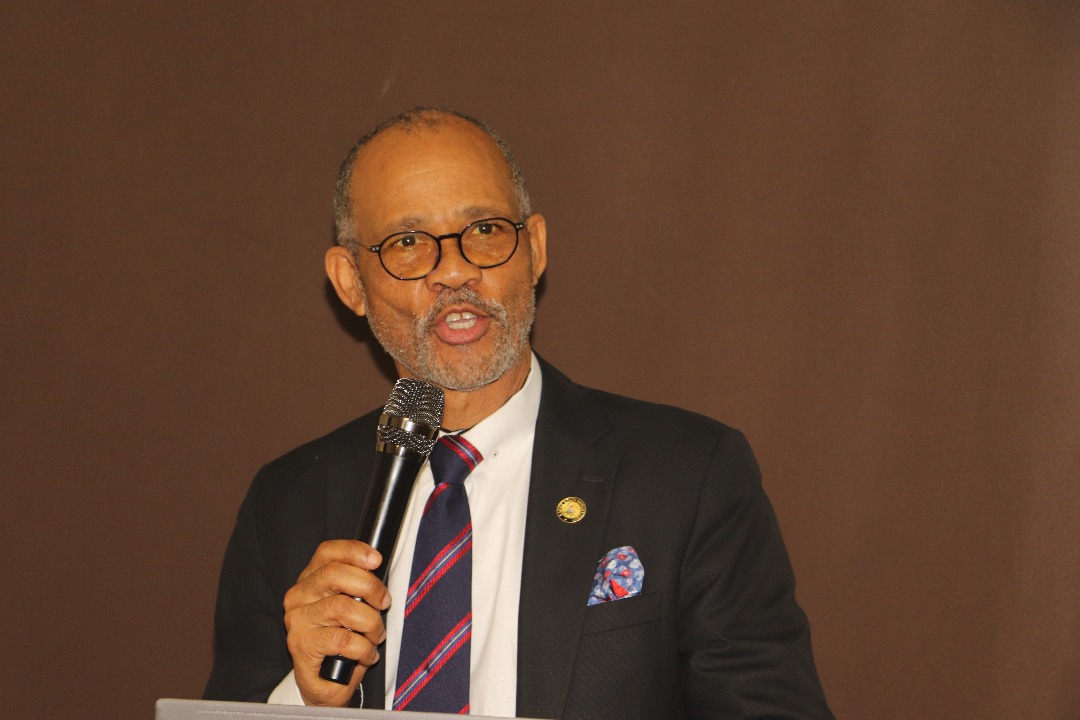
Lagos State Commissioner for Health, Akin Abayomi, has said the state will rely heavily on mandatory health insurance and stronger public-private partnerships to sustain healthcare delivery amid rising demands and declining donor support.
Speaking at a press briefing, he disclosed: “Lagos currently allocates about eight per cent of its budget to health, below the 15 per cent target set under the Abuja Declaration. The gap between available resources and projected healthcare needs has reached at least N100 billion.”
According to him, ministries, departments and agencies have begun enforcing compliance by requiring residents seeking government services to present evidence of accredited health insurance coverage.
Abayomi explained that the initiative would expand enrollment under the Lagos State Health Management Agency’s Ilera-Eko scheme, strengthen healthcare infrastructure and create sustainable funding mechanisms to support vulnerable residents.
He revealed that more than 1.46 million residents had so far enrolled in the Ilera-Eko health insurance scheme but acknowledged that the state remained far from achieving universal health coverage.
The commissioner lamented that about 77 per cent of healthcare expenditure in Nigeria was still financed directly by citizens, while only two per cent came through insurance coverage, describing the trend as unsustainable.
Abayomi said the Lagos 2052 Development Plan sought to transform Lagos into a model mega city and rank it among the top three healthcare destinations in Africa within the next decade.
Other News
He said the plan prioritised universal health coverage, reduction of maternal mortality, improved child nutrition, stronger primary healthcare systems and the reversal of outbound medical tourism.
“We do not want Lagosians travelling abroad to seek healthcare in Dubai, London, India or South Africa. We want to provide every specialty and subspecialty needed right here in Lagos,” he said.
Abayomi also stressed the need to regulate and integrate informal healthcare providers, including patent medicine vendors, community pharmacies and traditional medicine practitioners, into the broader healthcare system.
According to him, more than 3,500 registered private healthcare facilities currently operate across Lagos alongside numerous informal providers that serve as first points of care for many residents.
On healthcare workforce shortages and migration, the commissioner announced government approval for a standalone University of Medicine and Health Sciences in Lagos State to increase the production of doctors, nurses, pharmacists and other professionals.
He said the proposed institution would decentralise clinical training across primary, secondary and private healthcare facilities while leveraging the expertise of diaspora specialists and professionals already within the state health system.
The Special Adviser to the Governor on Health, Kemi Ogunyemi, said the Health Facility Monitoring and Accreditation Agency remained critical to ensuring patient safety and maintaining standards across healthcare facilities in the state.
She noted that Lagos was the first state in Nigeria to establish a dedicated healthcare facility regulation agency and said the growing number of hospitals; cosmetic medical spas and healthcare centres had stretched the agency’s operational capacity.