Follow Us on Google
By Lukman Olabiyi
Lagos, Nigeria’s bustling economic hub, is home to over 20 million residents, making it one of the most populous cities in Africa.
This rapid urbanization and population growth have led to significant waste management challenges, with the city generating about 13,000 metric tonnes of waste daily. This poses serious environmental and public health risks.
However, Lagos State has declared its intention to turn this challenge into an opportunity through innovative waste-to-energy (WtE) initiatives.
The announcement has garnered attention from stakeholders eager to benefit from this transformative agenda, while others are waiting to see how serious the state government is. Many expressed doubt on government’s commitment, saying it was an attempt to loot the treasury again.
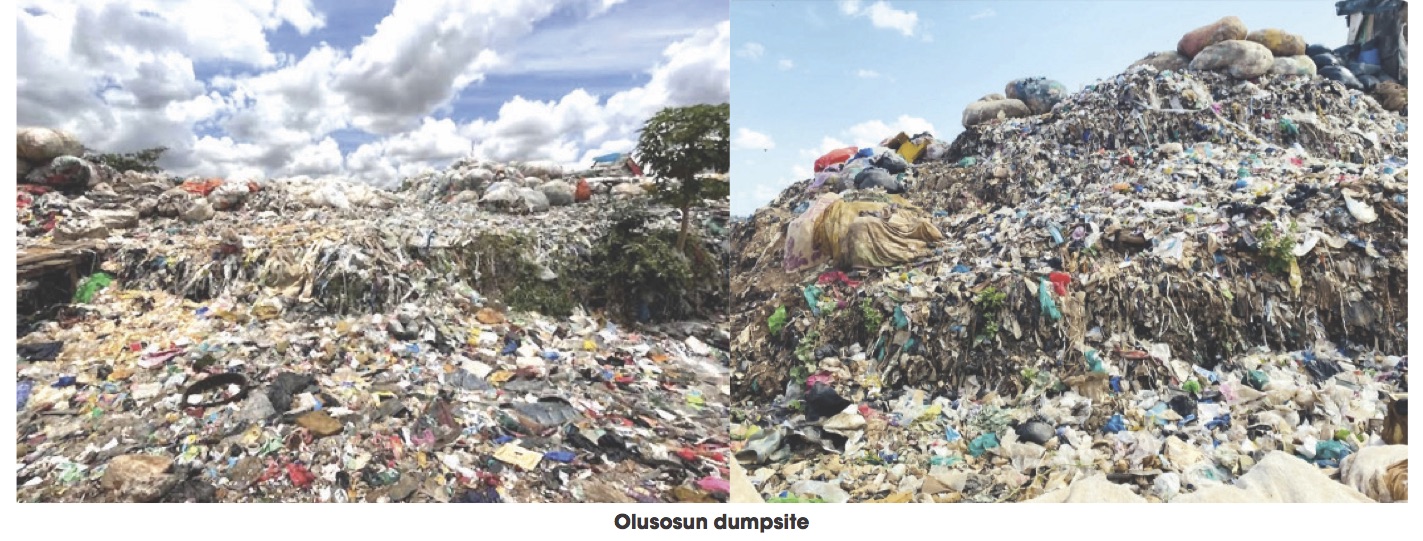
The massive waste generated in Lagos results from its thriving economy and dense population. With limited landfill space and improper waste disposal methods, the city faces severe pollution problems. Open dumping and burning of waste contribute to air and water pollution, adversely affecting public health and the environment.
Waste-to-energy technology offers a promising solution to Lagos’ waste crisis. By converting municipal solid waste into electricity and heat, WtE plants reduce the volume of waste, mitigate environmental pollution and provide a renewable energy source. This can spur economic growth and reduce the spread of diseases associated with waste. However, these benefits come with challenges, such as significant capital investment, robust infrastructure, skilled personnel, and public education on waste segregation and WtE benefits.
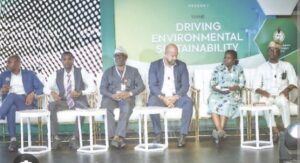
At a recent Waste to Energy Summit organised by Rack Centre, in partnership with the NYSC Community Development Service (CDS), Lagos State Commissioner for the Environment and Water Resources, Mr. Tokunbo Wahab, unveiled plans to radically improve the waste management system in the state.
The event, themed “Driving Environmental Sustainability,” was attended by many stakeholders who shared their views on the state government’s agenda.
Other News
In his keynote address, Wahab, represented by the managing director/CEO of the Lagos Waste Management Authority (LAWMA), Dr. Muyiwa Gbadegesin, emphasized the need for proper dumpsite management to mitigate environmental hazards.
“When Olusosun was established, it was actually on the outskirts, but development caught up with it. There’s a lot of pressure on solid waste management, which is why we are working on reducing the amount of waste dumped on the Olusosun landfill through recycling initiatives,” he explained.
He further outlined LAWMA’s strategic plans to transform waste management in the state, focusing more on recycling and introducing initiatives such as the development of compost and biogas plants to reduce the volume of waste going to landfills.
“We are working on developing composting and biogas plants on the site. The future state is that we are going to decommission the Olusosun landfill; we are already in the process. Decommissioning the dumpsite is necessary to address long-term environmental and health impacts. In doing this, we are going to comply with international best practices.
“Waste-to-energy plants will be established at the Epe dumpsite. The plan is to have three waste-to-energy plants in the state at Badagry, Epe and Olusosun. We are exploring other alternatives to be used as landfills since we are working on shutting down the Olusosun landfill,” he said.
Dolapo Olaoluwa, the convener of the summit and a serving corps member, envisioned a gathering of key stakeholders to discuss solutions to the challenges posed by the Olusosun dumpsite and other waste management issues as a way of contributing meaningfully to the community where he was serving.
Mr. Adetayo Odusole, head of sustainability coordination at Rack Centre, expressed their enthusiasm in sponsoring the event, noting that Rack Centre was pleased to support the initiative as it aligned with their goals of achieving a sustainable environment in the state, emphasizing that achieving this required a collective effort.
Other speakers at the summit included Ezekiel Egboye, founding executive and COO at Rack Centre; Jide Onakoya, COO at Elektron; Dr. Emmanuel O. Ogolo, professor of Atmospheric Physics (represented); Dr. Victor Abimbola Onifade, senior lecturer of Urban and Regional Planning; Olaide Ayodele-Taiwo, assistant chief scientific officer at the National Environmental Standards and Regulations Enforcement Agency; and Yetunde Baderinwa, NYSC coordinator, Lagos State.
The high point of the event was a panel discussion where stakeholders and experts discussed sustainable solutions to waste management challenges in the state.