Follow Us on Google
By Doris Obinna
The Lagos State Ministry of Health has launched the development of its 2026 Annual Operational Plan (AOP), with a strong emphasis on aligning health strategies with the state’s budget and global best practices to deliver better outcomes for residents.
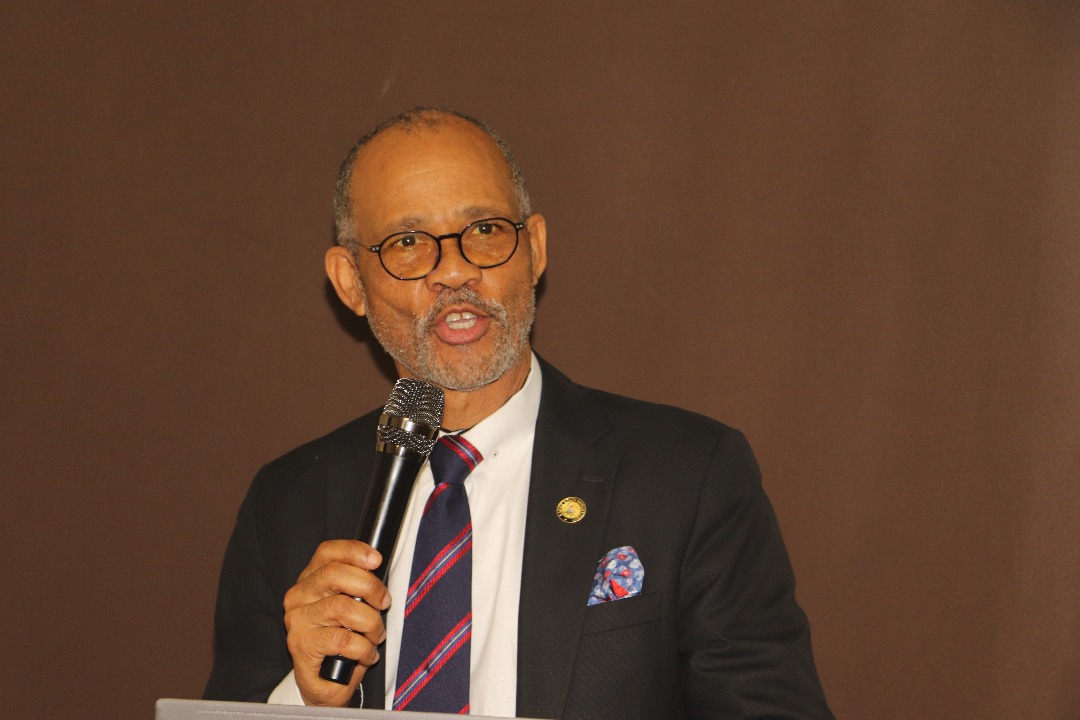
At a management meeting held on Monday, in Ikeja, Commissioner for Health, Prof. Akin Abayomi, said Lagos’ health planning must reflect international standards, federal priorities, and local realities. He stressed that operational plans without budgetary alignment would fail, describing the budget as the most critical factor in successful implementation.
Abayomi identified human resources for health as a top priority, highlighting progress on the proposed Lagos State University of Medicine and Health Sciences, which he said would produce more professionals, retain talents, and attract diaspora workers.
Special Adviser to the Governor on Health, Dr. Kemi Ogunyemi, described the AOP as central to building a stronger health system and urged leaders to embrace efficiency, collaboration, and digitalization. She noted that Lagos remains a national reference point in health performance, often shaping federal policy directions.
Other News
Permanent Secretary, Ministry of Health, Dr. Olusegun Ogboye, cautioned against “lazy planning” and recycling old budgets, urging a shift to evidence-driven strategies and prioritization. He said the ministry must focus on fewer projects with sustainable impact, backed by data and realistic funding.
Development partners also pledged support. Representatives from The Challenge Initiative (TCI), backed by the Bill and Melinda Gates Foundation, and the United Nations Population Fund (UNFPA) commended Lagos for its leadership in coordinated health planning. Both organizations promised continued collaboration to strengthen maternal health, family planning, and overall system performance.
The 2026 AOP will guide health investments under Governor Babajide Sanwo-Olu’s THEMES+ agenda, with human capital development, digitalization, and mandatory health insurance identified as critical drivers of change.